Where to Find Premium Glow in the Dark Signage
10.02.2026
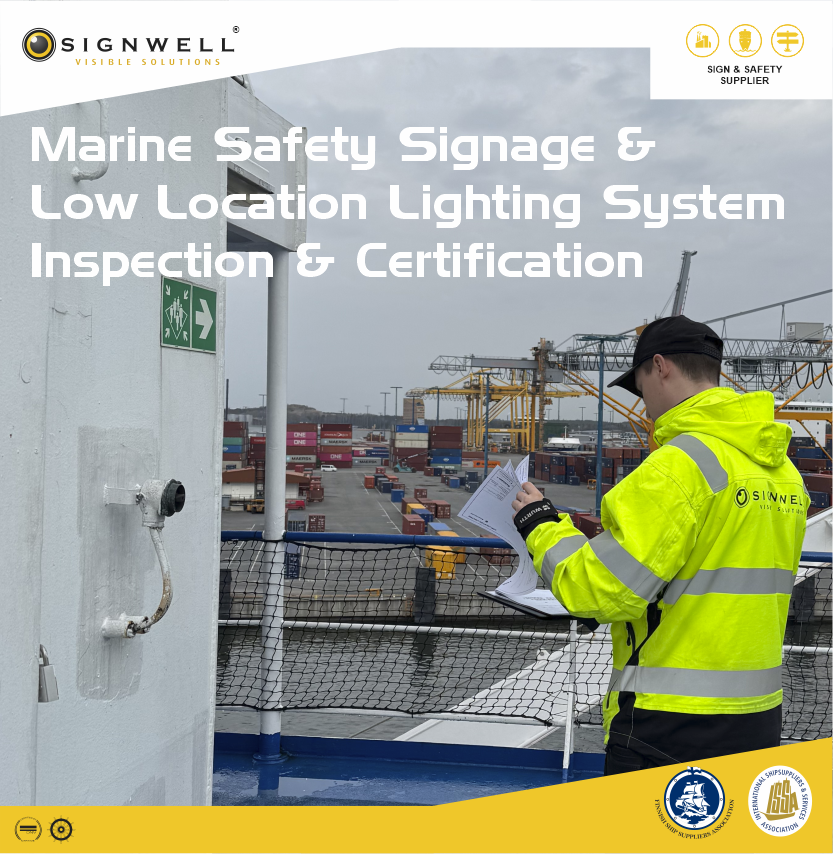
Finding reliable glow-in-the-dark signage for marine and industrial applications requires understanding the significant differences between premium photoluminescent systems and standard retail alternatives. When lives depend on emergency evacuation systems, the quality of your safety signage becomes paramount. Premium solutions offer superior charging efficiency, extended glow duration, and compliance with international maritime standards that basic products simply cannot match.
The sourcing process involves navigating specialised suppliers, understanding technical specifications, and ensuring long-term compliance with evolving safety regulations. This guide explores where marine facilities, offshore platforms, and industrial operations can find the premium photoluminescent signage systems that perform when it matters most.
What makes premium glow-in-the-dark signage different
Premium photoluminescent technology operates on fundamentally different principles from basic glow-in-the-dark products. Professional-grade systems use advanced strontium aluminate compounds that charge rapidly under minimal light exposure and maintain visibility for extended periods. These materials can absorb and store light energy efficiently, releasing it gradually over 10–12 hours, compared with the 30–60 minutes typical of consumer products.
Material quality differences become apparent in extreme conditions. Premium signage withstands temperature ranges from -40°C to +150°C while maintaining consistent performance. The photoluminescent compounds are embedded within UV-stable substrates that prevent degradation over decades of exposure to harsh maritime and industrial environments.
Performance metrics distinguish professional systems through measurable brightness levels. Premium products maintain luminance levels exceeding 150 mcd/m² after 10 minutes, with some systems achieving over 1000 mcd/m² immediately after charging. This brightness ensures visibility through smoke, darkness, and adverse weather conditions when emergency evacuation becomes necessary.
Where marine and industrial facilities source quality signage
Specialised suppliers serving maritime and offshore sectors operate within a network of certified manufacturers who understand international compliance requirements. These suppliers focus exclusively on safety-critical applications rather than general signage markets, ensuring their products meet the rigorous demands of marine environments.
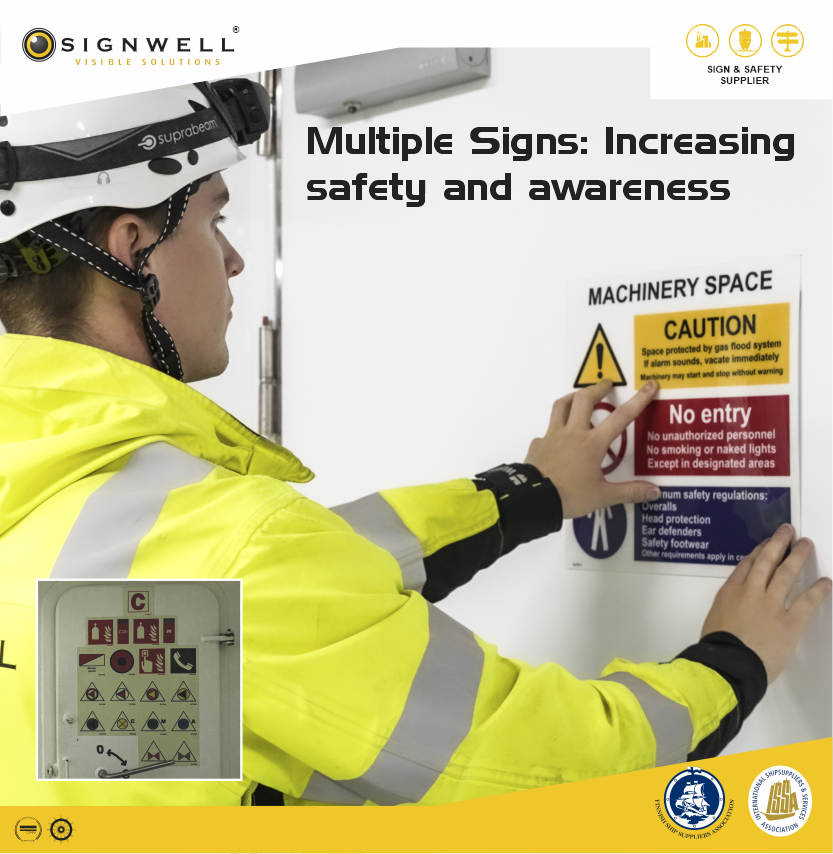
Certification requirements drive the supplier selection process. DNV-certified providers offer the technical expertise and documentation necessary for regulatory compliance. These specialists understand IMO regulations, SOLAS requirements, and ISO standards that govern safety signage in maritime applications.
We work directly with shipyards, offshore operators, and industrial facilities to provide comprehensive photoluminescent solutions. Our experience with international standards compliance ensures that sourcing decisions align with both immediate safety needs and long-term regulatory requirements across different maritime jurisdictions.
Key specifications to demand from signage suppliers
ISO standards compliance forms the foundation of premium signage specifications. Look for products meeting ISO 15370:2021 requirements for photoluminescent safety systems, alongside ISO 14726 standards for pipe marking applications. These certifications guarantee performance benchmarks and material quality standards.
Temperature-resistance specifications must match your operational environment. Premium systems maintain functionality across extreme temperature ranges while preserving photoluminescent properties. UV stability becomes crucial for exterior applications, with quality products offering decades of performance without significant degradation.
Charging efficiency and glow-duration specifications separate professional products from alternatives. Demand systems that achieve full charge within 5 minutes of standard lighting exposure while maintaining visibility for a minimum of 10 hours. Environmental considerations include halogen-free materials, recyclability, and compliance with environmental regulations affecting marine operations.
Why standard retail signage fails in critical applications
Emergency situations expose the limitations of consumer-grade photoluminescent products through rapid brightness decay and inadequate visibility. Standard retail signage typically loses effectiveness within hours, leaving evacuation routes unmarked when people need guidance most. The photoluminescent compounds in basic products lack the energy-storage capacity for sustained emergency lighting.
Durability issues compound these problems in marine and industrial environments. Consumer products deteriorate rapidly under UV exposure, temperature cycling, and chemical exposure common in these settings. The adhesives, substrates, and protective coatings used in retail signage cannot withstand the operational demands of professional applications.
Non-compliant signage creates significant liability risks for marine operators and industrial facilities. Regulatory inspections can result in operational shutdowns, while insurance claims may be denied if safety systems fail to meet established standards. The financial and safety consequences of substandard materials far exceed any initial cost savings.
Evaluating suppliers for long-term reliability and compliance
Manufacturing standards provide the foundation for supplier evaluation. Look for facilities operating under ISO quality management systems with documented processes for material sourcing, production control, and testing procedures. These standards ensure consistent product quality and traceability throughout the supply chain.
Certification processes reveal supplier commitment to compliance and technical competence. Established industry specialists maintain relationships with classification societies, regulatory bodies, and testing laboratories. They provide comprehensive documentation packages, including material certificates, performance test results, and compliance declarations.
Installation support and maintenance services distinguish comprehensive suppliers from simple product vendors. Professional suppliers offer technical consultation, installation guidance, and ongoing inspection services. We provide complete lifecycle support, including design consultation, installation supervision, and compliance monitoring to ensure long-term system effectiveness.
The proven track record becomes evident through supplier references, project portfolios, and industry recognition. Suppliers with decades of experience understand the evolving requirements of maritime safety regulations and can provide guidance on future compliance needs.
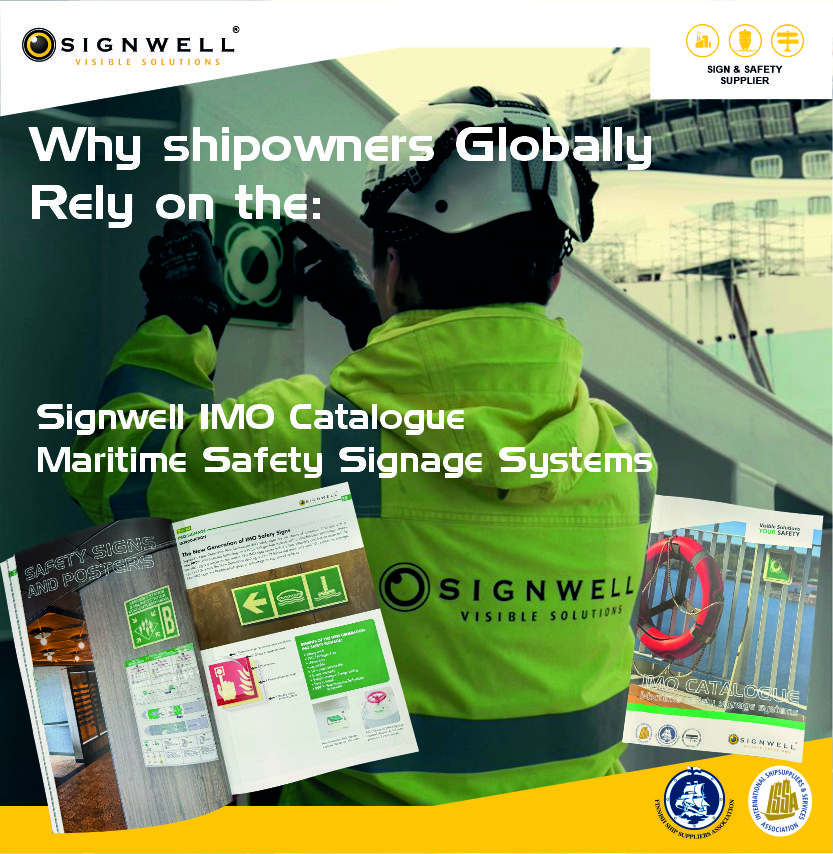
Sourcing premium glow-in-the-dark signage requires partnering with specialists who understand both technical requirements and regulatory compliance. Investment in professional-grade photoluminescent systems provides reliable emergency guidance while meeting international safety standards. For IMO-compliant marine safety signage that meets international standards, explore Signwell’s IMO signs and find suitable photoluminescent signage for your vessel or marine facility.
This content was generated with the help of AI and it may contain mistakes