What is the safety of the ship?
9.12.2025
Ship safety represents the comprehensive set of measures, systems, and practices designed to protect human life, preserve vessel integrity, safeguard cargo, and prevent environmental damage throughout maritime operations. It encompasses everything from structural design and equipment standards to crew training and emergency procedures. This multifaceted approach creates layers of protection that work together to ensure vessels can operate reliably in challenging marine environments.
What does ship safety actually mean?
Ship safety refers to the integrated system of structural integrity, operational procedures, safety equipment, crew training, and regulatory compliance that prevents accidents and protects everyone aboard. Rather than a single element, it represents a holistic approach where multiple safety layers work together to create secure maritime operations. This includes the vessel’s physical construction, the systems installed throughout, the procedures followed daily, and the preparedness for emergencies.
The concept extends beyond simply avoiding accidents. Proper ship safety means creating an environment where crew members can perform their duties confidently, where passengers feel secure, and where cargo arrives intact. It involves anticipating potential hazards before they become problems and having effective responses ready when unexpected situations arise.
Modern ship safety recognizes that vessels operate in isolation, often far from immediate assistance. This reality makes onboard safety systems absolutely critical. Every component must function reliably because help may be hours or days away. The vessel itself must serve as a complete safety environment, equipped to handle fires, flooding, medical emergencies, and evacuation scenarios without external support.
Why is ship safety so important in maritime operations?
Ship safety stands as paramount because maritime environments present unique challenges that amplify the consequences of any failure. When incidents occur at sea, limited emergency response options mean the vessel and crew must handle situations independently. The isolation inherent in maritime operations transforms minor problems into potential disasters if proper safety measures aren’t in place.
Human life protection remains the primary concern. Crew members and passengers depend entirely on the vessel’s safety systems when far from shore. Unlike land-based facilities where emergency services can arrive quickly, ships must be self-sufficient. This responsibility drives the comprehensive nature of maritime safety requirements.
Economic implications also make ship safety essential. Maritime accidents result in vessel damage, cargo loss, operational disruptions, and potential legal liabilities. The financial impact of a single serious incident can be devastating for operators. Beyond immediate costs, accidents damage reputations and affect future business opportunities.
Environmental consequences add another critical dimension. Ships carry fuel, cargo, and materials that could cause significant ecological damage if released into the ocean. Proper safety measures protect marine ecosystems and coastal communities from pollution incidents. The harsh maritime environment, with extreme weather, corrosive saltwater, and constant motion, demands robust safety systems that can perform reliably under challenging conditions.
What are the main components of ship safety systems?
Ship safety systems comprise several essential categories that work together to provide comprehensive protection. Fire detection and suppression systems monitor for smoke and heat throughout the vessel, automatically activating alarms and suppression measures when needed. These systems include fire doors, sprinklers, and specialized extinguishing equipment appropriate for different fire types.
Navigation and communication equipment enables safe passage and maintains contact with shore facilities and other vessels. Modern systems integrate radar, GPS, automatic identification systems, and radio communications to prevent collisions and coordinate assistance when needed. These tools help crews avoid hazards and respond effectively to changing conditions.
Life-saving appliances represent another critical component. Lifeboats, life rafts, life jackets, and immersion suits provide the means for crew and passengers to survive if abandoning ship becomes necessary. Regular maintenance and crew training ensure these systems function properly during actual emergencies.
Emergency lighting and evacuation systems guide people to safety when primary power fails or smoke obscures normal visibility. These systems include photoluminescent markers and electrically powered guidance that remain operational during crises. Clear evacuation routes marked with internationally recognized symbols help everyone find their way to muster stations and lifeboats quickly.
Structural safety features include watertight compartments, reinforced construction, and stability systems that keep vessels afloat and upright even when damaged. Monitoring systems continuously track critical parameters like hull integrity, machinery performance, and environmental conditions, alerting crew to potential problems before they become serious.
How do international regulations ensure ship safety?
International regulations create consistent safety standards across the global maritime industry through frameworks established by the International Maritime Organization (IMO). The SOLAS convention (Safety of Life at Sea) forms the foundation, establishing minimum requirements for vessel construction, equipment, and operations. These regulations apply to commercial vessels worldwide, ensuring a baseline level of safety regardless of flag state.
Classification societies provide independent verification that vessels meet required standards. These organizations conduct inspections during construction and throughout a vessel’s operational life, certifying that safety systems function properly and structural integrity remains sound. Their surveys provide assurance that ships comply with both international regulations and industry best practices.
Flag state regulations add another layer, with the country where a vessel is registered enforcing compliance with international conventions. Flag states conduct their own inspections and investigations, holding operators accountable for maintaining safety standards. Port state control provides additional oversight, allowing authorities to inspect foreign vessels visiting their ports and detain ships that don’t meet requirements.
These overlapping regulatory systems create multiple checkpoints that catch safety deficiencies. Regular inspections, mandatory certifications, and enforcement mechanisms ensure operators maintain their vessels properly. The international nature of these regulations means safety standards remain consistent whether a ship operates in European waters, Asian ports, or anywhere else globally.
What safety markings and signage do ships need?
Ships require comprehensive safety markings that enable quick decision-making during emergencies and support daily operations. IMO symbols provide universally recognized visual communication that transcends language barriers. These standardized signs manufactured according to ISO standards, following ISO 7010 and ISO 24409-2 standards, mark everything from fire equipment locations to emergency exits and hazard warnings.
Evacuation route markers guide crew and passengers to safety during emergencies. These signs must remain visible even when primary lighting fails, which is why modern vessels use photoluminescent materials or electrically powered systems. The markers create clear pathways from any location on the vessel to muster stations and life-saving equipment.
Equipment identification labels ensure firefighting apparatus, first aid supplies, and emergency gear can be located immediately when needed. Clear marking prevents confusion during stressful situations when seconds matter. We manufacture these signs using PVC-free and halogen-free materials that provide durability and environmental responsibility.
Pipe marking systems identify contents, flow direction, and hazards throughout the vessel’s complex infrastructure. Proper pipe identification prevents operational errors and helps crew respond appropriately during emergencies. These markings follow international standards to ensure consistency across different vessels and operators.
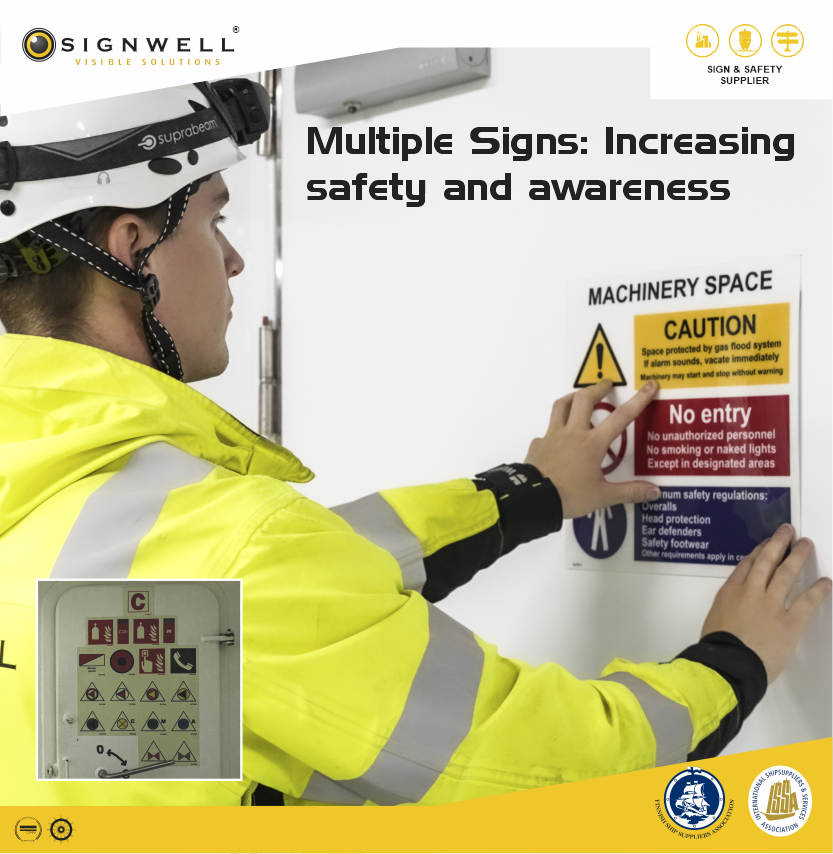
Hazard warnings alert people to specific dangers like electrical equipment, confined spaces, or chemical storage areas. Combined with emergency guidance systems, these markings create a complete visual safety communication network. Modern signage materials resist UV exposure, saltwater corrosion, and temperature extremes while maintaining visibility for years. The signs feature glossy finishes that are easy to clean and self-adhesive backing that simplifies installation, ensuring safety systems can be implemented efficiently during new construction or retrofit projects.
Understanding ship safety means recognizing how multiple systems, regulations, and practices work together to protect life and property at sea. From structural design to emergency signage, every element plays a role in creating secure maritime operations. Proper implementation of these safety measures, combined with regular maintenance and crew training, ensures vessels can handle the unique challenges of the marine environment while meeting international standards that protect everyone involved in maritime activities.