What is the difference between warning signs and safety signs?
14.01.2026
Warning signs and safety signs serve different purposes in workplace protection. Warning signs alert people to immediate hazards or dangerous conditions that could cause injury, while safety signs provide broader guidance on safe practices, emergency procedures, and required protective equipment. Understanding these differences helps you choose the right signage for specific situations and maintain proper workplace safety compliance.
What exactly are warning signs and how do they differ from safety signs?
Warning signs specifically identify immediate hazards or dangerous conditions that require caution, while safety signs encompass a broader category of workplace guidance, including emergency information, mandatory actions, and protective equipment requirements. Warning signs focus on preventing accidents by alerting people to specific risks.
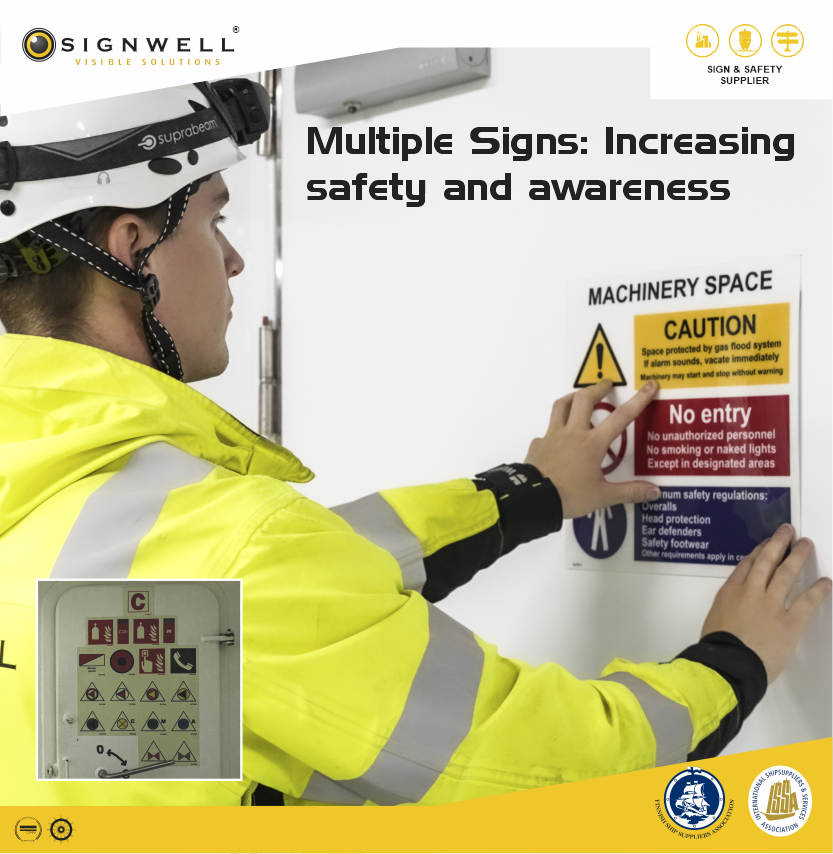
The fundamental difference lies in their primary function. Warning signs use attention-grabbing colours like yellow and orange, with hazard symbols to communicate “danger ahead” or “caution required.” They typically feature triangular shapes with exclamation points, skull symbols, or specific hazard pictograms that immediately signal risk.
Safety signs include multiple categories beyond warnings. These encompass prohibition signs (red circles with diagonal lines), mandatory signs (blue circles showing required actions), emergency signs (green rectangles indicating escape routes), and fire safety signs (red squares for fire equipment). Each category serves a distinct communication purpose in your overall safety system.
The messaging approach also differs significantly. Warning signs use direct, urgent language like “Danger,” “Caution,” or “Warning,” followed by the specific hazard. Safety signs employ instructional language such as “Wear Hard Hats,” “Emergency Exit,” or “Fire Extinguisher” that guides behaviour rather than simply alerting people to danger.
When should you use warning signs versus safety signs in your facility?
Use warning signs when immediate hazards exist that could cause injury or death, such as electrical dangers, toxic substances, or unstable surfaces. Deploy safety signs for general guidance, emergency procedures, mandatory protective equipment, and operational instructions that support overall workplace safety management.
Warning signs are essential at points where hazards cannot be eliminated through engineering controls. Install them near chemical storage areas, electrical panels, moving machinery, or areas with temperature extremes. The key criterion is whether someone could be injured without advance notice of the specific danger.
Safety signs serve broader facility management needs. Place mandatory signs where specific protective equipment is required, such as hard hat zones or eye protection areas. Use prohibition signs to restrict access or prevent dangerous behaviours. Install emergency signs along evacuation routes and near safety equipment locations.
Regulatory requirements often dictate placement decisions. Maritime facilities must comply with SOLAS regulations requiring specific emergency signage, while industrial facilities follow occupational health standards. Consider your inspection requirements, as different sign types may have varying maintenance and compliance obligations.
The decision also depends on your risk assessment findings. High-risk areas typically require warning signs combined with supporting safety signage. Lower-risk areas may need only informational or mandatory safety signs to maintain proper safety protocols.
What are the standard colours and symbols for warning versus safety signs?
Warning signs primarily use yellow backgrounds with black text and symbols, or orange for construction and temporary hazards. Safety signs follow a broader colour system: red for prohibition and fire safety, blue for mandatory actions, green for emergency information, and yellow specifically for hazard warnings.
The International Organisation for Standardisation (ISO) defines these colour standards globally. Yellow triangular warning signs feature black borders and symbols, creating high visibility and immediate recognition. The triangular shape itself signals caution, while the yellow colour catches attention without suggesting an immediate emergency.
Safety sign colours carry specific meanings across industries. Red indicates prohibition (things you must not do) or fire safety equipment locations. Blue signifies mandatory actions (things you must do), such as wearing protective equipment. Green shows safe conditions, emergency exits, first aid, and safety equipment locations.
Symbol standardisation ensures universal understanding regardless of language barriers. Warning symbols include electrical hazards (lightning bolt), toxic substances (skull and crossbones), and slippery surfaces (falling person). Safety symbols encompass directional arrows for exits, pictograms for protective equipment, and standardised fire safety icons.
Maritime environments follow additional IMO (International Maritime Organisation) standards that specify exact colours, sizes, and photoluminescent properties. These requirements ensure visibility in low-light conditions and emergency situations where traditional lighting may fail.
How do warning and safety sign requirements differ in maritime versus industrial settings?
Maritime environments require photoluminescent materials and specific SOLAS compliance for emergency signage, while industrial settings focus on OSHA or local occupational safety standards. Maritime warning signs must withstand saltwater corrosion and maintain visibility during power failures, whereas industrial signs prioritise durability against specific workplace hazards.
SOLAS (Safety of Life at Sea) regulations mandate that maritime safety signs remain visible for specific durations after light sources fail. This requires photoluminescent materials that charge from ambient light and glow in darkness. Industrial facilities typically rely on standard reflective materials or electrical backup systems for emergency lighting.
Environmental challenges differ significantly between settings. Maritime warning signs face constant salt spray, temperature fluctuations, and humidity that can degrade standard materials. We recommend marine-grade materials that resist corrosion and maintain adhesion on metal surfaces. Industrial signs must withstand specific workplace chemicals, temperatures, or mechanical impacts relevant to each facility.
Installation requirements vary considerably. Maritime vessels require signs that remain secure during rough seas and extreme weather conditions. Industrial installations focus on positioning for maximum visibility during normal operations and emergency conditions. Both environments need regular inspection schedules, but maritime signs often require more frequent replacement due to harsh conditions.
Compliance documentation also differs. Maritime facilities need certification records for international port inspections, while industrial sites maintain records for occupational safety audits. The approval processes, testing standards, and renewal requirements follow different regulatory pathways depending on your operational environment.
Understanding these distinctions helps you select appropriate signage systems that meet your specific regulatory requirements while providing reliable safety communication. Whether in maritime or industrial settings, proper sign selection and maintenance ensure your safety systems perform effectively when needed most.
If you need IMO-compliant signage for a vessel or maritime facility, explore Signwell’s IMO signs to find suitable marine safety signage that meets the required standards.
This content was generated with the help of AI and it may contain mistakes