What is IMO?
16.04.2026
The International Maritime Organization (IMO) is the United Nations specialized agency responsible for regulating international shipping and maritime safety. Established in 1948, the IMO develops global standards that protect lives at sea, prevent marine pollution, and ensure safe and secure shipping operations worldwide. This comprehensive guide addresses the most important questions about the IMO’s role, regulations, safety systems, and compliance requirements.
What is IMO and why does it matter for maritime safety?
The International Maritime Organization is the UN’s maritime regulatory body that sets global standards for shipping safety, security, and environmental protection. The IMO creates binding international conventions that its 176 member states must implement, ensuring consistent safety practices across international waters and in ports worldwide.
The IMO’s importance stems from its role in preventing maritime disasters and environmental damage. The organization develops technical standards for ship construction, equipment requirements, crew training, and operational procedures. These regulations have dramatically reduced shipping accidents and marine pollution over the past decades.
The agency operates through various committees that address specific maritime challenges, including maritime safety, marine environment protection, and legal affairs. The IMO’s work directly impacts every commercial vessel, offshore platform, and port facility engaged in international trade, making it essential to global commerce and environmental protection.
What are the main IMO conventions that ships must follow?
SOLAS (Safety of Life at Sea) is the most important IMO convention, covering ship construction, equipment, and operational safety requirements. MARPOL prevents marine pollution from ships, while STCW establishes minimum training standards for seafarers. These three conventions form the foundation of international maritime law.
Additional key conventions include the International Convention on Load Lines, which ensures proper loading and stability, and the COLREGs, which set out rules for preventing collisions at sea. The International Ship and Port Facility Security (ISPS) Code addresses maritime security threats, while the Maritime Labour Convention protects seafarers’ rights and working conditions.
Each convention contains detailed technical requirements that ships must meet to obtain and maintain international certification. Regular surveys and inspections verify compliance, and certificates must be renewed according to specified schedules. Non-compliance can result in detention, penalties, or prohibition from entering ports.
How do IMO safety signs and symbols work on ships?
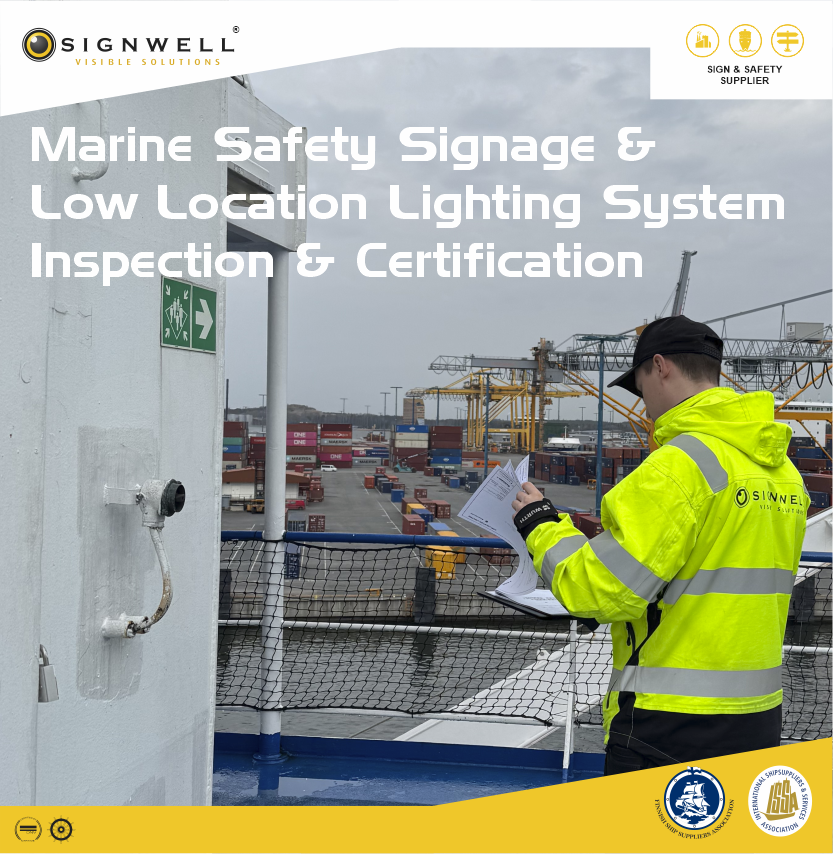
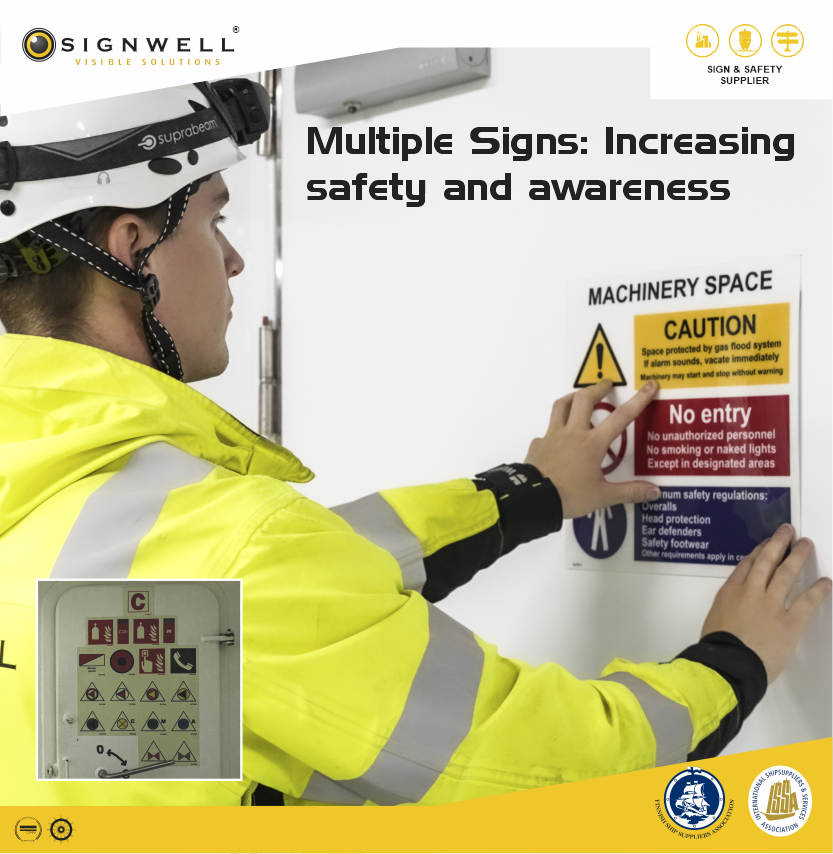
IMO-standardized safety signage uses universal symbols and colors that communicate critical information regardless of language barriers. These IMO sign systems include escape-route markings, fire-safety equipment locations, hazard warnings, and emergency assembly points that guide crew and passengers during both normal operations and emergencies.
Photoluminescent systems store light energy and glow in the dark, providing continuous visibility during power failures. These systems must maintain visibility for specific durations and distances according to IMO standards. Electrical emergency lighting systems provide backup illumination along escape routes and can operate for extended periods during emergencies.
Proper placement follows strict IMO guidelines for visibility, height, and spacing requirements. Signs must be positioned at decision points, along escape routes, and near safety equipment. Regular inspections ensure signs remain visible, undamaged, and compliant with current standards. This standardized approach means seafarers can navigate any vessel safely, regardless of its flag state or where it was built.
What happens when ships don’t comply with IMO regulations?
Non-compliant vessels face immediate detention by port state control authorities until deficiencies are corrected. Ships may be prohibited from leaving port, face substantial fines, and experience costly delays that disrupt commercial operations and damage company reputations.
Port state inspections can occur at any time, with inspectors examining certificates, safety equipment, crew qualifications, and operational procedures. Serious deficiencies result in detention until repairs are completed and re-inspection confirms compliance. Repeated violations can lead to increased inspection frequency and potential blacklisting by certain ports.
Insurance implications include policy cancellations, increased premiums, and potential coverage exclusions for non-compliant operations. Classification societies may withdraw certification, preventing vessels from trading internationally. Flag states can impose additional penalties, including license revocation for serious or repeated violations.
The broader impact affects maritime safety and environmental protection when standards are not maintained. Non-compliance increases accident risks, threatens marine ecosystems, and undermines the international regulatory framework that protects seafarers and coastal communities worldwide.
Understanding IMO regulations and maintaining compliance protects lives, prevents environmental damage, and ensures smooth commercial operations. Proper implementation of safety systems, including compliant IMO sign installations and emergency equipment, creates safer working environments while meeting international legal requirements. Staying current with evolving IMO standards helps maritime professionals maintain the highest safety standards across global shipping operations.