What fire safety products are essential for marine vessels?
10.03.2026
Marine vessels require comprehensive fire safety products to protect lives and property at sea. Essential equipment includes IMO-compliant detection systems, suppression equipment, emergency lighting, fire-resistant doors, and proper safety signage. These systems work together to prevent fires, detect threats early, suppress flames effectively, and guide safe evacuation during emergencies.
What are the mandatory fire safety products required on marine vessels?
All commercial marine vessels must carry IMO- and SOLAS-mandated fire safety equipment, including smoke and heat detection systems, fire suppression equipment, emergency lighting systems, fire doors, and standardised safety signage. These requirements vary based on vessel size, type, and passenger capacity but form the foundation of maritime fire protection.
Detection systems serve as the first line of defence, with smoke detectors, heat sensors, and manual alarm points strategically positioned throughout the vessel. Fire suppression equipment includes portable extinguishers, fixed sprinkler systems, and specialised suppression systems for high-risk areas such as engine rooms.
Emergency lighting systems ensure safe evacuation during power failures or emergencies. Fire doors compartmentalise the vessel to contain flames and smoke, while proper IMO sign placement guides crew and passengers to safety equipment and evacuation routes. Each component must meet strict international standards to ensure reliability in harsh maritime conditions.
How do fire detection and alarm systems work on ships?
Marine fire detection systems use multiple sensor technologies, including smoke detectors, heat sensors, and flame detectors connected to integrated alarm networks. These systems continuously monitor vessel compartments and automatically trigger alarms when fire indicators exceed preset thresholds, ensuring a rapid response to potential threats.
Smoke detectors utilise ionisation or photoelectric technology to identify combustion particles in the air. Heat sensors activate when temperatures rise beyond normal operating ranges, making them ideal for engine rooms and galley areas where smoke might normally be present.
Flame detectors use infrared or ultraviolet sensors to identify the specific light signatures of fires, providing rapid detection in open spaces. All sensors connect to a central fire control panel that displays alarm locations, manages system testing, and coordinates emergency responses. The integrated design ensures redundancy and prevents false alarms while maintaining sensitivity to real threats.
What types of fire suppression systems are best for different areas of a vessel?
Different vessel compartments require specific suppression technologies based on fire risks and space characteristics. Water sprinkler systems work well for accommodation areas, CO2 systems protect electrical equipment, foam systems handle flammable liquids, and specialised suppression systems safeguard engine rooms and machinery spaces.
Accommodation areas typically use water sprinkler systems because they are safe around people and effective on ordinary combustibles. Engine rooms often employ CO2 or specialised gas suppression systems that will not damage sensitive equipment or conduct electricity.
Cargo areas may require foam systems for liquid fuel fires or dry chemical systems for mixed fire types. Galley areas benefit from wet chemical systems designed for cooking oil fires. The key is matching suppression agent properties to specific fire risks while considering crew safety and equipment protection. Proper system selection ensures effective fire control without causing unnecessary damage to vessel operations.
Why is proper fire safety signage crucial for marine vessel safety?
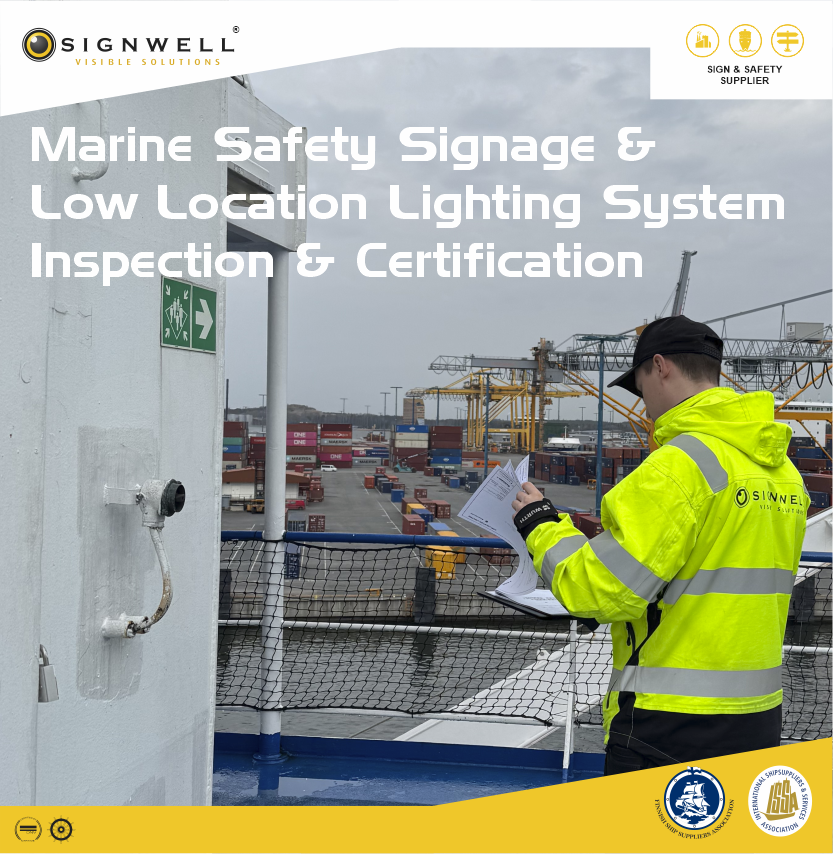
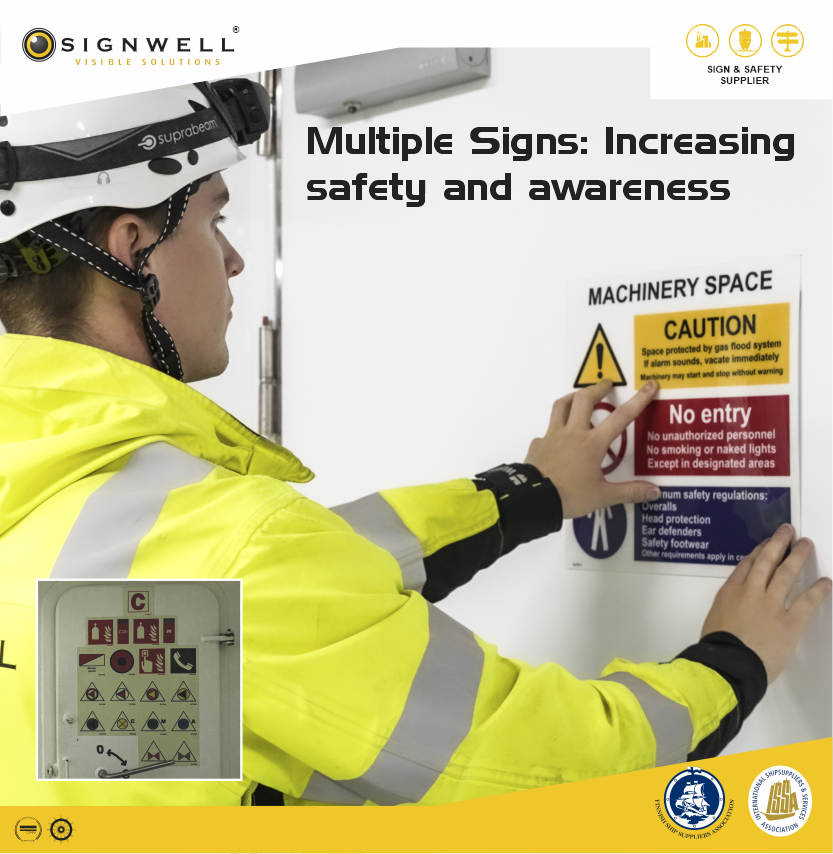
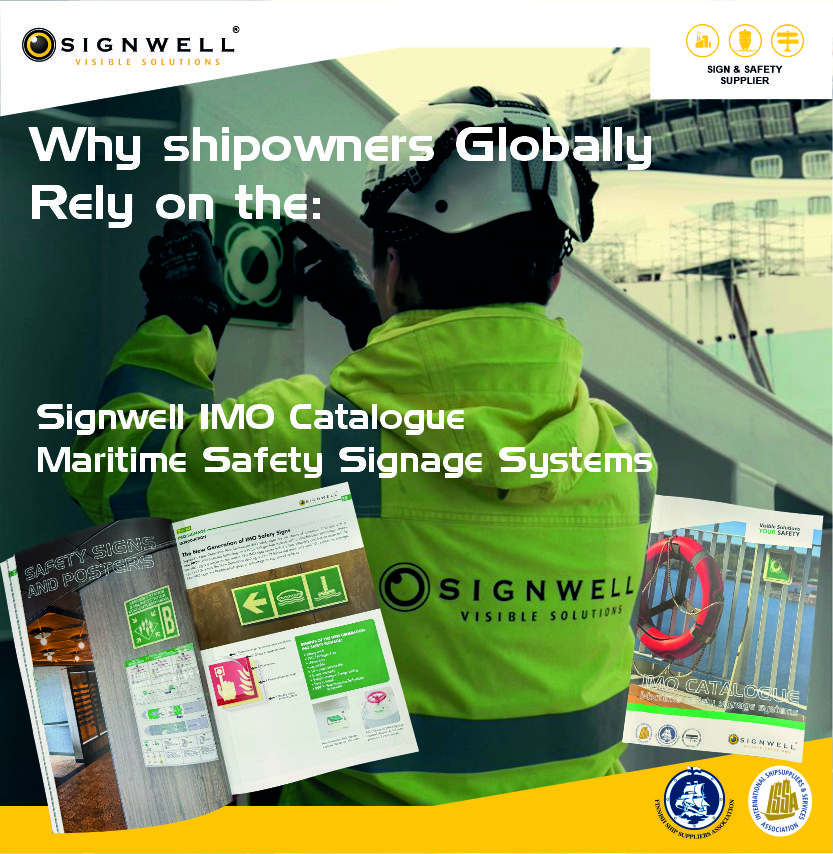
IMO-compliant fire safety signage provides critical visual communication during emergencies when visibility may be compromised and stress levels are high. Photoluminescent evacuation systems, fire equipment location markers, and standardised symbols guide crew and passengers to safety equipment and evacuation routes, potentially saving lives during maritime emergencies.
Proper signage remains visible even when electrical power fails, thanks to photoluminescent materials that absorb ambient light and glow in darkness. This safety feature ensures evacuation routes stay clearly marked during the most critical moments of an emergency.
Fire equipment location signs help crew quickly locate extinguishers, hoses, and suppression controls during high-stress situations. Standardised IMO symbols overcome language barriers, ensuring international crews and passengers understand safety information regardless of their native language. Clear visual hierarchy and consistent placement throughout the vessel create intuitive navigation patterns that function even when occupants are unfamiliar with the ship’s layout.
How do you maintain and inspect fire safety equipment on marine vessels?
Marine fire safety equipment requires regular maintenance schedules, including weekly tests of detection systems, monthly inspections of suppression equipment, annual servicing of major systems, and continuous monitoring of emergency lighting. Proper documentation and certified inspections ensure all systems remain operational and compliant with international regulations.
Detection systems need weekly functional testing to verify sensor operation and alarm communication. Monthly visual inspections check for physical damage, corrosion, or obstruction of sensors and manual alarm points. Suppression systems require pressure testing, agent level verification, and discharge mechanism inspection.
Emergency lighting systems need monthly testing to ensure battery backup functions properly and all fixtures provide adequate illumination. Fire doors require regular operational testing to verify proper closing mechanisms and seal integrity. Professional annual inspections by certified technicians ensure complex systems meet regulatory standards and identify potential issues before they compromise safety. Detailed maintenance logs document all activities and provide evidence of regulatory compliance during port inspections.
Effective marine fire safety depends on integrated systems working together reliably. Regular maintenance, proper installation, and crew training ensure these essential products protect vessels, cargo, and lives at sea. Understanding each component’s role helps maritime professionals make informed decisions about fire safety investments and operational procedures.