What are SOLAS safety products for ships?
15.12.2025
SOLAS safety products are internationally mandated safety equipment and signage systems required on commercial vessels to protect lives at sea. These products include photoluminescent evacuation guidance systems, IMO signage, fire safety equipment markings, and emergency lighting that comply with regulations established by the International Maritime Organization. Understanding these requirements helps ship operators maintain regulatory compliance whilst ensuring crew and passenger safety during both routine operations and emergency situations.
What are SOLAS safety products and why are they required on ships?
SOLAS safety products are specialized equipment, signage, and systems mandated by the Safety of Life at Sea (SOLAS) convention to protect human life aboard commercial vessels. These products range from photoluminescent evacuation guidance systems to fire safety equipment markings and emergency signage that remain visible even during power failures. The International Maritime Organization (IMO) established these requirements to create uniform safety standards across the global maritime industry.
The legal mandate for SOLAS products stems from the international SOLAS convention, which represents the most important treaty addressing maritime safety. Commercial vessels operating internationally must comply with these regulations to maintain their certification and operating licenses. This regulatory framework ensures that regardless of a ship’s flag state or operating region, the same high safety standards protect everyone aboard.
During emergencies such as fires, collisions, or power failures, SOLAS safety products become critical survival tools. Clear evacuation route markers guide passengers and crew to safety even in smoke-filled environments. IMO signage identifies the location of firefighting equipment, life-saving appliances, and emergency exits using universally recognized symbols. These products also serve important functions during normal operations by preventing accidents through clear hazard warnings and equipment identification.
What types of SOLAS safety products must ships have onboard?
Ships must carry several categories of SOLAS-compliant safety products to meet international maritime regulations. Low location lighting systems provide crucial guidance along escape routes, available in both photoluminescent and electric configurations. IMO safety signs and symbols mark emergency equipment locations, evacuation routes, fire safety equipment, and hazard warnings using internationally standardized pictograms that transcend language barriers.
Fire safety equipment markings constitute another essential category, clearly identifying the locations of fire extinguishers, fire alarms, fire doors, and firefighting equipment. These markings must remain visible in low-light conditions and comply with specific colour coding and symbol requirements. Evacuation route indicators show the safest path to muster stations and life-saving equipment, typically installed at low levels where they remain visible beneath smoke layers during fires.
Pipe marking systems help crew members quickly identify the contents and flow direction of piping systems throughout the vessel. This becomes particularly important during emergencies when rapid identification of fuel lines, fire suppression systems, or hazardous material pipes can prevent disasters. Emergency equipment identification marks the location of life jackets, life rafts, emergency breathing apparatus, and first aid stations. We manufacture these products according to IMO Resolution A.1116(30), which requires compliance with ISO 7010 and ISO 24409-2 standards, ensuring the same recognizable safety symbols are used both at sea and on land.
How do photoluminescent safety systems work on ships?
Photoluminescent safety systems absorb ambient and artificial light during normal conditions, then emit a visible glow in darkness without requiring electrical power. The photoluminescent materials contain special pigments that store light energy and release it gradually over extended periods, providing reliable guidance for several hours after light sources disappear. This technology proves particularly valuable aboard ships where power failures during emergencies could render traditional electric systems useless.
The advantages of photoluminescent systems over traditional electric alternatives include exceptional reliability during power failures, which often accompany maritime emergencies. These systems require virtually no maintenance since they contain no electrical components, bulbs, or batteries that might fail. The lighter weight compared to traditional aluminium profile systems with electrical components reduces vessel weight and simplifies installation. Ship operators benefit from significant cost savings through eliminated electrical infrastructure, reduced energy consumption, and minimal maintenance requirements over the system’s lifespan.
Modern photoluminescent materials used in maritime applications are thoroughly tested to ensure durability and performance in harsh marine environments. These materials resist UV degradation, maintain their luminescent properties despite exposure to saltwater spray, and continue functioning across wide temperature ranges. The technology has advanced considerably, with current generation systems providing luminescence that exceeds standard requirements, ensuring visibility remains adequate throughout the critical evacuation period following power loss.
What standards must SOLAS safety products meet?
SOLAS safety products must comply with multiple international standards and certifications to ensure they perform reliably in maritime environments. IMO Resolution A.752(18) establishes requirements for emergency evacuation symbols, whilst ISO 15370:2021 specifies performance standards for low location lighting systems. These standards define minimum luminescence levels, durability requirements, and testing protocols that products must pass before approval for maritime use.
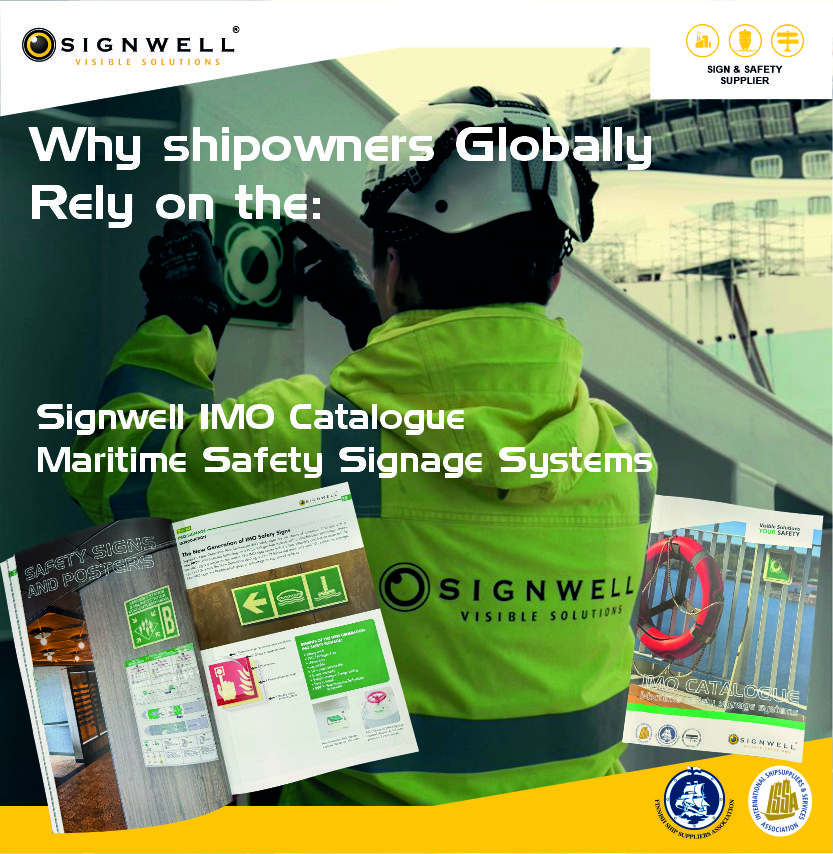
Material specifications represent a critical aspect of compliance, with modern regulations requiring halogen-free and PVC-free materials that don’t release toxic gases during fires. We manufacture our New Generation IMO signs using innovative materials that meet these environmental and safety requirements whilst providing superior durability. Fire-resistant materials must withstand high temperatures without degrading, melting, or contributing to fire spread. Testing requirements verify that products maintain their visibility and structural integrity when exposed to heat, moisture, chemicals, and mechanical stress.
Performance criteria vary based on installation location and expected environmental conditions. Products installed in exterior locations must withstand saltwater spray, UV exposure, and temperature extremes, whilst interior products face different challenges including cleaning chemicals and mechanical wear. Certification from recognized bodies like DNV (Det Norske Veritas) provides independent verification that products meet all applicable standards. These certifications require rigorous testing and regular audits to ensure ongoing compliance. The standards also specify minimum lifespans, with quality systems typically warranted for 10 years or more, ensuring ship operators can rely on their safety systems throughout extended service periods without frequent replacement.
Looking for IMO-compliant signage for your vessel? Explore Signwell’s IMO signs and find suitable safety signage for maritime environments.
This content was generated with the help of AI and it may contain mistakes