Low Location Lighting: What You Need to Know in 2024
15.05.2026
When an emergency strikes on a vessel or industrial facility, every second counts. Traditional overhead lighting can fail or become obscured by smoke, leaving people disoriented in corridors and stairwells when they need guidance most. Low location lighting systems provide a critical backup by marking escape routes at floor level, where visibility remains clearest during emergencies.
The technology has evolved significantly, with modern systems offering enhanced reliability and easier installation than ever before. Understanding the different types available, compliance requirements, and proper implementation can mean the difference between a successful evacuation and a tragedy.
This guide covers everything you need to know about low location lighting in 2024, from comparing photoluminescent and LED technologies to avoiding costly installation mistakes that compromise safety.
What low location lighting is and why it matters
Low location lighting systems are emergency guidance installations positioned at or near floor level to mark escape routes when conventional overhead lighting fails. Unlike traditional emergency lighting that illuminates from above, these systems create a continuous pathway of light that remains visible even when smoke fills the upper areas of corridors and stairwells.
The systems work by providing visual guidance through strategically placed markers, strips, or signs that either glow through photoluminescent materials or LED technology. During normal conditions, they charge from ambient light or electrical power. When emergencies occur and primary lighting fails, they automatically activate to guide people towards emergency exits.
Maritime and industrial environments present unique challenges that make low location lighting essential. Vessels can experience power failures during storms or mechanical issues, while offshore platforms face harsh weather conditions that can compromise visibility. Industrial facilities dealing with hazardous materials need reliable evacuation systems that function regardless of environmental conditions.
Regulatory bodies worldwide recognise the life-safety importance of these systems. The International Maritime Organization (IMO) requires low location lighting on passenger vessels, while many industrial facilities must comply with similar standards to ensure worker safety during emergencies.
How photoluminescent and LED systems compare in 2024
Modern low location lighting comes in two primary technologies, each with distinct advantages depending on your application requirements.
Photoluminescent systems like our 3L-PL™ technology use materials that absorb ambient light during normal conditions and emit a steady glow when darkness occurs. These systems require no electrical power, making them inherently reliable during power outages. Installation is simpler since no wiring is needed, and maintenance costs remain minimal with no batteries or electrical components to replace.
The newer generation of photoluminescent materials offers improved brightness and longer glow duration compared with older systems. They are particularly suitable for areas with consistent ambient lighting that allows proper charging of the photoluminescent materials.
LED-powered systems such as our 3L-EP™ technology provide consistent brightness levels regardless of ambient lighting conditions. These electrical systems can illuminate pathways of up to 1,000 metres continuously and offer precise control over brightness and timing. They integrate well with existing emergency power systems and can be programmed for specific evacuation scenarios.
LED systems require more complex installation with electrical connections and backup power sources. However, they provide superior performance in areas with limited ambient light or where maximum visibility is critical during emergencies.
Cost considerations vary between immediate installation expenses and long-term operational costs. Photoluminescent systems typically cost less upfront and have minimal ongoing expenses, while LED systems require a higher initial investment but offer greater flexibility and performance capabilities.
IMO and international standards you must follow
Compliance with international standards is not optional when it comes to low location lighting systems. IMO RESOLUTION A.752(18) establishes the primary requirements for passenger ships, mandating low location lighting in corridors, stairways, and escape routes.
The ISO 15370:2021 standard provides detailed specifications for photoluminescent safety systems, covering everything from material performance to installation requirements. This standard ensures systems maintain adequate brightness levels and duration during emergencies.
Certification processes involve rigorous testing of materials and complete system performance. Products must demonstrate that they meet minimum brightness levels, glow duration, and environmental resistance requirements. We maintain certifications through recognised testing bodies to ensure our systems meet these demanding standards.
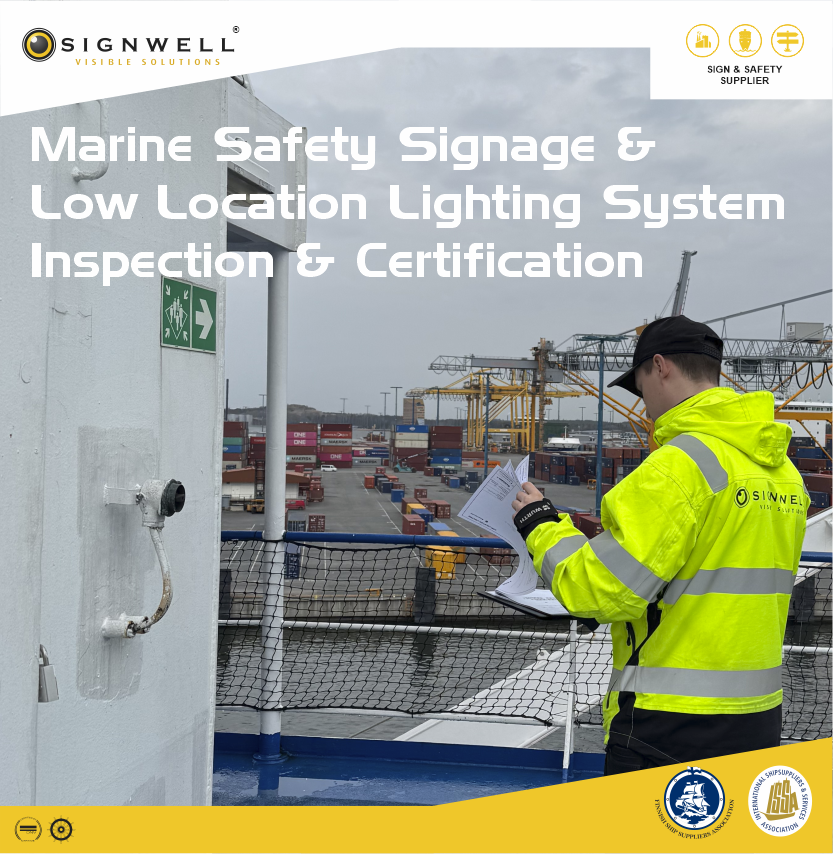
Regular inspections form a crucial part of compliance. Maritime authorities and industrial safety regulators require periodic verification that systems remain functional and properly maintained. Our DNV-certified inspectors provide 3L-SI™ inspection services to ensure ongoing compliance.
Non-compliance carries serious consequences beyond regulatory penalties. Insurance coverage may be affected and, more importantly, inadequate systems can lead to tragic outcomes during actual emergencies. Port state control inspections can detain vessels with non-compliant safety systems, resulting in significant operational and financial impacts.
Common installation mistakes that compromise safety
Even the best low location lighting systems can fail if they are improperly installed. Inadequate spacing between markers is one of the most frequent errors. Gaps in the lighting pathway can disorient people during emergencies, particularly in smoke-filled environments where visibility is already compromised.
Mounting height errors also compromise effectiveness. Installing markers too high reduces visibility at floor level, while mounting them too low can result in damage from foot traffic or cleaning equipment. The optimal height balances visibility with durability considerations.
Environmental factors often get overlooked during planning. Marine environments expose systems to salt spray, temperature extremes, and constant vibration. Industrial settings may involve chemical exposure or extreme temperatures. Systems must be rated for their specific operating environment to ensure reliable performance.
Pathway continuity breaks down when installers fail to account for obstacles, doorways, or changes in floor level. The lighting system should provide uninterrupted guidance from any point in a space to the nearest safe exit, accounting for all potential evacuation scenarios.
Maintenance access is sometimes forgotten during installation, making future inspections and component replacement difficult or impossible. Proper installation considers long-term serviceability to ensure systems remain functional throughout their operational life.
Choosing the right system for your application
Selecting appropriate low location lighting requires careful evaluation of your specific operational environment and requirements. Vessel type and size significantly influence system selection, with passenger ships requiring different solutions from cargo vessels or offshore platforms.
Environmental conditions play a crucial role in technology choice. Areas with consistent ambient lighting suit photoluminescent systems well, while spaces with limited natural or artificial light benefit from LED technology. Temperature extremes, humidity levels, and chemical exposure all affect material selection and system design.
Budget considerations extend beyond the initial purchase price to include installation complexity, ongoing maintenance costs, and expected system lifespan. Photoluminescent systems offer a lower total cost of ownership in many applications, while LED systems provide superior performance where maximum reliability is essential.
Integration with existing safety systems affects both technology choice and installation approach. Systems that work alongside current emergency lighting, alarm systems, and evacuation procedures provide the most effective overall safety solution.
Regulatory requirements specific to your industry and operating regions determine minimum performance standards and certification needs. Understanding these requirements early in the selection process ensures that chosen systems meet all applicable standards.
Low location lighting systems represent a critical investment in safety that requires careful planning and proper implementation. The technology continues to advance, offering better performance and easier installation than previous generations. By understanding the options available, compliance requirements, and proper installation practices, you can implement systems that provide reliable guidance when lives depend on it.
This content was generated with the help of AI and it may contain mistakes