How to Choose Low Location Lighting for Safety
5.03.2026
When an emergency strikes aboard a ship or offshore platform, every second counts. The difference between safe evacuation and tragedy often comes down to one critical factor: can people find their way to safety when visibility is compromised? Traditional overhead lighting fails when smoke fills corridors or power systems fail, leaving evacuees disoriented and vulnerable.
Low location lighting systems provide a solution by creating illuminated pathways at floor level, guiding people safely along escape routes even in the most challenging conditions. Choosing the right system requires understanding the technology options, regulatory requirements, and installation considerations that affect both performance and compliance.
This guide walks you through the essential factors for selecting low location lighting that meets your safety needs, from comparing photoluminescent and LED technologies to navigating international standards and avoiding common installation pitfalls.
What Is Low Location Lighting and Why Safety Depends on It
Low location lighting refers to emergency guidance systems installed at or near floor level to mark escape routes during evacuations. Unlike conventional overhead lighting, these systems remain visible even when smoke accumulates in the upper areas of corridors and stairwells.
The science of human behaviour during emergencies reveals why floor-level guidance proves so effective. When people evacuate in low-visibility conditions, they naturally look down and feel along walls for guidance. Low location lighting systems work with these instinctive behaviours rather than against them.
These systems differ fundamentally from traditional emergency lighting in several ways. Overhead lights can become obscured by smoke within minutes of a fire starting, while low location lighting remains visible below the smoke layer. The continuous pathway created by properly spaced low location lighting eliminates the guesswork that leads to panic and wrong turns during evacuations.
Maritime and industrial environments present unique challenges that make low location lighting essential. Narrow corridors, complex layouts, and the potential for power failures create conditions in which conventional lighting simply cannot provide adequate guidance when it matters most.
Photoluminescent vs. LED Low Location Lighting Systems
Two primary technologies dominate the low location lighting market: photoluminescent and LED systems. Each offers distinct advantages depending on your specific requirements and operating environment.
Photoluminescent systems, such as our 3L-PL™ solution, store energy from ambient light and release it gradually during darkness or emergency conditions. These systems require no electrical power, making them highly reliable during power failures. Installation is simpler because no wiring is needed, and maintenance requirements remain minimal over their operational lifetime.
LED-based systems, such as our 3L-EP™, provide consistent, bright illumination regardless of ambient lighting conditions. These electrically powered systems can extend up to 1,000 metres continuously and offer precise control over brightness levels. However, they require electrical connections and backup power systems to function during emergencies.
Cost considerations vary significantly between the two technologies. Photoluminescent systems typically have lower upfront costs and virtually no ongoing energy expenses. LED systems require a higher initial investment but provide more consistent performance in environments with limited ambient lighting.
Environmental factors play a crucial role in system selection. Photoluminescent systems excel in areas with regular exposure to charging light sources, while LED systems perform better in consistently dark environments or where maximum brightness is required regardless of conditions.
Key Factors for Selecting the Right System
Several critical factors determine which low location lighting system best suits your needs. Environmental conditions top the list, including temperature ranges, humidity levels, and exposure to chemicals or saltwater. Systems operating in marine environments must withstand temperature extremes from -40°C to +150°C while maintaining performance.
Power availability significantly influences system choice. Facilities with reliable electrical systems and backup power can accommodate LED solutions, while locations prone to power disruptions benefit from photoluminescent alternatives that operate independently of the electrical supply.
Installation constraints affect both system selection and project costs. Retrofit installations in existing vessels or platforms may favour photoluminescent systems because of their simpler installation requirements. New construction projects can more easily accommodate either technology, depending on design preferences.
Pathway length and complexity determine spacing requirements and total system scope. Longer evacuation routes may require LED systems to maintain adequate brightness levels throughout the entire path. Complex layouts with multiple decision points benefit from systems that provide clear directional guidance.
Industry-specific requirements also influence selection. Maritime applications must comply with SOLAS regulations, while industrial facilities may be subject to different standards governing emergency lighting systems. Understanding these requirements early in the selection process prevents costly modifications later.
Compliance Standards and Certification Requirements
International safety standards provide the framework for low location lighting system selection and installation. The IMO SOLAS convention establishes requirements for maritime applications, specifying performance criteria and testing protocols that systems must meet.
ISO 15370:2021 represents the current standard for low location lighting systems, covering both photoluminescent and electrically powered solutions. This standard defines minimum performance levels, testing methods, and installation guidelines that ensure system effectiveness during emergencies.
Certification processes involve rigorous testing of system components under various conditions. Certified systems undergo evaluation for luminance levels, duration of illumination, resistance to environmental factors, and long-term performance stability.
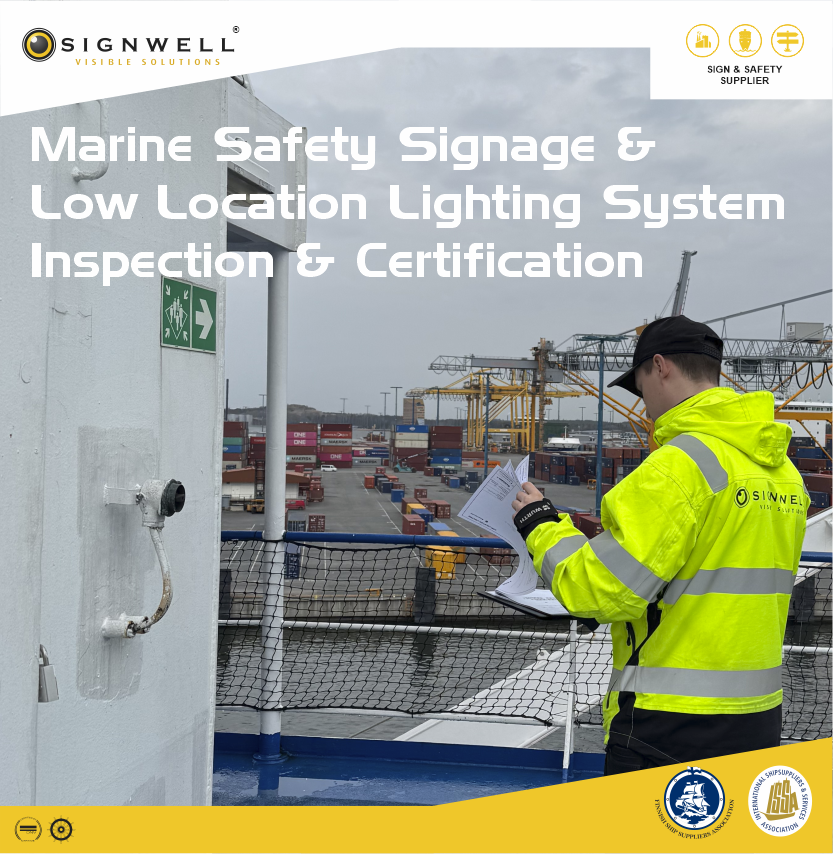
Inspection requirements continue throughout the system lifecycle. Our DNV-certified inspectors perform 3L-SI™ inspections to verify ongoing compliance and system performance. Regular inspections identify potential issues before they compromise safety.
Documentation plays a vital role in maintaining compliance. Proper records of installation, testing, maintenance, and inspections demonstrate ongoing adherence to applicable standards and support regulatory approval processes.
Installation Best Practices and Common Mistakes
Proper installation determines whether your low location lighting system performs effectively when needed most. Spacing requirements vary by system type and corridor width, but generally range from 6 to 10 metres between marking points along straight sections.
Mounting height affects visibility and durability. Systems installed too high become less visible in smoky conditions, while those mounted too low are more likely to be damaged by foot traffic and cleaning equipment. The optimal mounting height typically ranges from 150 mm to 300 mm above floor level.
Integration with existing safety systems requires careful planning. Low location lighting should complement rather than conflict with other emergency systems, including alarm systems, ventilation controls, and fire suppression equipment.
Common installation mistakes include inadequate surface preparation, incorrect spacing at decision points, and failure to account for obstacles that block system visibility. Professional installation prevents these issues while ensuring compliance with applicable standards.
Testing and commissioning verify system performance before final acceptance. Comprehensive testing includes luminance measurements, continuity verification, and simulation of emergency conditions to confirm that the system guides evacuees effectively along intended routes.
Selecting the right low location lighting system requires balancing technical performance, regulatory compliance, and practical installation considerations. Whether you choose photoluminescent or LED technology, proper system design and installation create the foundation for effective emergency evacuation when every second counts. We provide comprehensive support throughout the selection, installation, and maintenance process to ensure your safety systems perform reliably when lives depend on them.
This content was generated with the help of AI and it may contain mistakes