How to Choose Glow in the Dark Signage for Safety
13.02.2026
When emergency situations strike, traditional lighting systems can fail precisely when you need them most. Power outages, equipment failures, or smoke-filled environments can leave people stranded in darkness, making evacuation routes impossible to navigate. This is where glow-in-the-dark signage becomes a critical safety lifeline.
Photoluminescent safety signage offers a reliable, self-sustaining solution that works independently of electrical power. Unlike battery-powered emergency lights that can fail or require constant maintenance, these signs absorb ambient light during normal conditions and emit a steady glow when darkness falls.
Choosing the right glow-in-the-dark signage requires understanding the technology, regulations, and performance standards that ensure your investment actually protects lives. We will explore the essential factors that separate effective safety signage from inadequate solutions that could leave your facility vulnerable when emergencies occur.
What makes glow-in-the-dark signage essential for safety
Photoluminescent technology works through a simple yet brilliant process. Special phosphorescent materials absorb photons from ambient light sources during normal operations, storing this energy in their molecular structure. When surrounding light levels drop, these materials release the stored energy as visible light, creating that characteristic green glow that can guide people to safety.
The visibility advantages become apparent in the most challenging emergency conditions. While smoke can obscure traditional illuminated signs and power failures disable electrical systems, photoluminescent signage continues functioning at the critical moment when people need guidance most. The low-level positioning of many glow systems also helps, as smoke typically rises, leaving clearer sight lines near floor level.
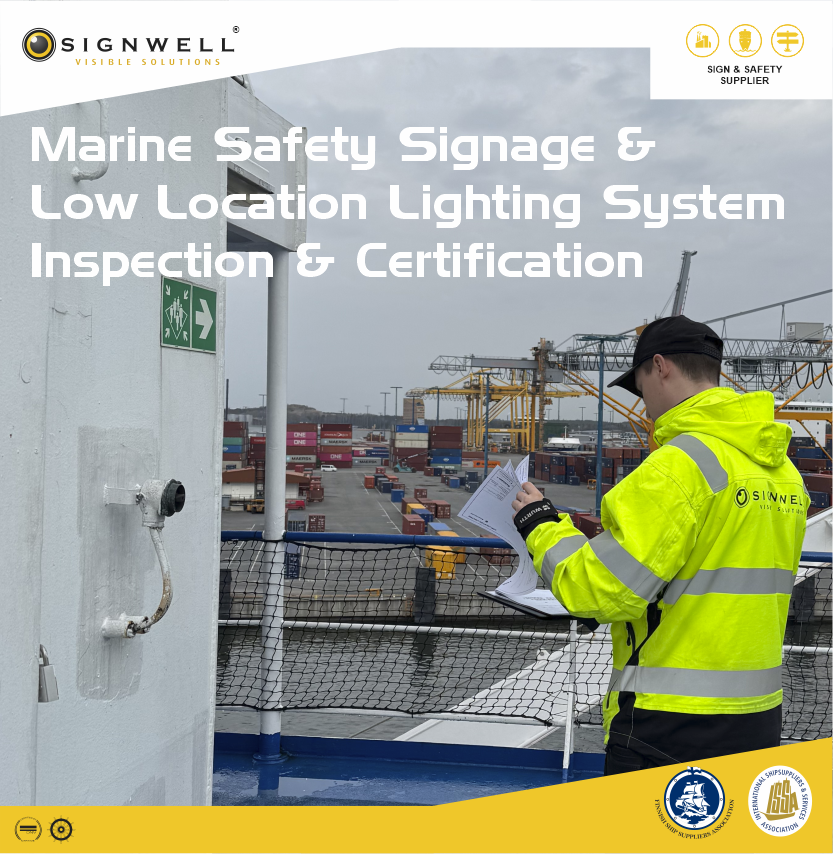
Regulatory frameworks across industries recognize these advantages. Maritime regulations under IMO requirements mandate photoluminescent systems for ship evacuation routes. Industrial facilities must comply with various national standards, while building codes increasingly specify minimum luminance levels for emergency egress marking.
Compared with traditional illuminated signage, photoluminescent systems offer distinct operational benefits. They eliminate ongoing electrical consumption, reduce maintenance requirements, and provide inherent reliability since there are no bulbs to burn out or batteries to replace. However, they do require adequate charging light and proper material selection for specific environments.
Key factors when selecting photoluminescent safety signage
Luminance performance standards form the foundation of effective selection. ISO 3864 establishes minimum brightness levels that signs must maintain over time, while IMO regulations specify maritime requirements. These standards define how bright signs must be initially and how long they must remain visible after light sources are removed.
Material durability requirements vary significantly based on your operating environment. Marine applications demand materials that resist salt spray, UV exposure, and temperature extremes. Industrial settings might require chemical resistance or the ability to withstand cleaning procedures. Standard office environments have less demanding requirements but still need materials that maintain performance over years of service.
Assessing environmental conditions involves examining both the charging light available and the conditions signs will face during emergencies. Adequate charging light is absolutely critical for performance. Fluorescent, LED, or natural lighting can all work, but intensity and exposure duration affect how well signs will glow when needed.
Temperature ranges, humidity levels, and potential exposure to chemicals or cleaning agents all influence material selection. Signs that work perfectly in controlled indoor environments may fail rapidly in harsh industrial or marine conditions without proper material specifications.
Charging light source compatibility ensures your existing lighting provides sufficient energy for optimal performance. Different photoluminescent materials respond better to specific light spectra, and some newer LED lighting systems may require evaluation to confirm adequate charging capability.
Common mistakes that compromise glow signage effectiveness
Inadequate charging light exposure is the most frequent installation error. Signs installed in dimly lit areas, shadowed locations, or spaces where lights are frequently turned off will not charge properly. Even high-quality photoluminescent materials cannot perform without sufficient light energy input.
Choosing the wrong materials for specific environments leads to premature failure and potential safety gaps. Using standard indoor-rated materials in marine environments results in rapid degradation. Similarly, selecting materials without adequate temperature ratings for industrial applications can cause performance loss or complete failure.
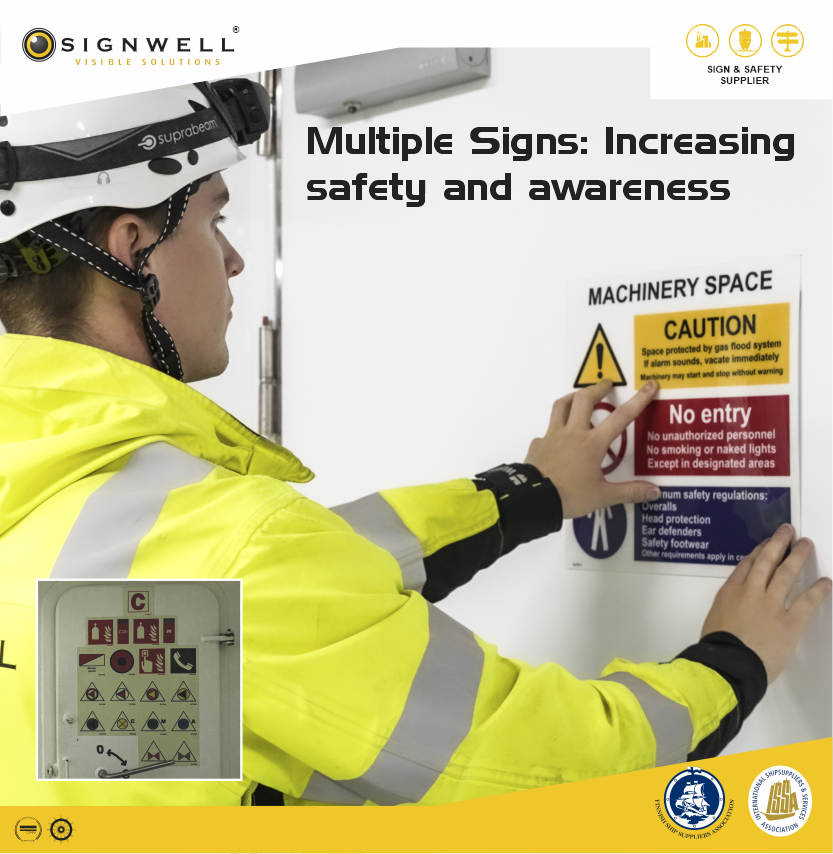
Improper placement strategies often overlook human behavior during emergencies. Signs positioned too high, blocked by equipment, or placed where smoke accumulation is likely will not effectively guide evacuees. Placement must consider both normal operations and emergency conditions to ensure visibility when needed.
Maintenance oversights that reduce performance include allowing dirt to accumulate on sign surfaces, failing to maintain adequate charging light levels, and not replacing signs that have exceeded their service life. Even the best photoluminescent materials gradually lose effectiveness over time and require eventual replacement.
Installation teams sometimes overlook the importance of surface preparation, leading to adhesion failures that can cause signs to fall or peel. Environmental factors such as humidity, temperature, and surface contamination during installation can significantly impact long-term performance.
How to evaluate signage performance and compliance standards
Testing luminance decay rates provides an objective measurement of sign performance. Proper testing involves charging signs under controlled conditions, then measuring brightness levels at specific intervals after light removal. Quality signs maintain specified luminance levels for required durations, typically measured in hours.
Understanding international standards helps ensure compliance across different applications. ISO 15370 covers photoluminescent safety systems, PSK 0903 addresses pipe-marking requirements, and IMO A.752 specifies maritime applications. Each standard defines specific performance criteria, testing methods, and installation requirements.
Certification requirements vary by jurisdiction and application. Marine installations typically require type approval from recognized classification societies. Industrial applications may need compliance documentation for insurance or regulatory inspections. Proper certification provides assurance that systems will perform as intended when emergencies occur.
Performance benchmarks for different safety applications help establish realistic expectations. Exit route marking requires different performance levels than equipment identification. High-risk industrial environments demand higher performance standards than typical office buildings.
Regular performance monitoring ensures continued effectiveness over time. This includes visual inspections for physical damage, verification of charging light adequacy, and periodic luminance testing to confirm that signs still meet performance requirements.
Selecting effective glow-in-the-dark signage requires balancing technical performance, environmental demands, and regulatory compliance. Investment in proper specification and installation pays dividends in reliability when emergencies occur. Take time to assess your specific requirements, understand applicable standards, and choose materials that will maintain performance throughout their service life.