What is IMO signage?
25.11.2025
IMO signage refers to standardised safety signs and symbols mandated by the International Maritime Organization for use on commercial vessels worldwide. These signs communicate critical safety information universally, transcending language barriers on ships with multinational crews. IMO signage is legally required under the SOLAS (Safety of Life at Sea) convention to protect lives during normal operations and emergencies. This guide addresses essential questions about IMO signage requirements, types, materials, and compliance.
What is IMO signage and why is it required on ships?
IMO signage consists of safety signs and symbols mandated by the International Maritime Organization for vessels operating internationally. These standardised markings provide critical safety information through universally recognised symbols that work regardless of crew nationality or language. The signs guide personnel during routine operations and become life-saving tools during emergencies when clear communication is essential.
The requirement for IMO signage stems from the SOLAS convention, which establishes minimum safety standards for commercial vessels. This international treaty makes IMO signage legally mandatory on ships engaged in international voyages. The regulations recognise that modern vessels operate with crews from multiple countries, making text-based safety instructions impractical and potentially dangerous.
IMO signage serves the fundamental purpose of protecting lives at sea by providing immediate visual guidance. During emergencies such as fires or flooding, crew and passengers must quickly understand evacuation routes, locate safety equipment, and follow proper procedures. Standardised symbols eliminate confusion and enable rapid response when seconds matter. The signs remain effective even when electrical systems fail, lighting is compromised, or smoke reduces visibility.
What are the different types of IMO signs used on vessels?
IMO signage encompasses several distinct categories, each serving specific safety functions aboard vessels. Fire control symbols indicate the location of fire-fighting equipment including extinguishers, hoses, and fire control stations. Life-saving appliance signs mark muster stations, lifeboat positions, life raft locations, and emergency equipment storage areas.
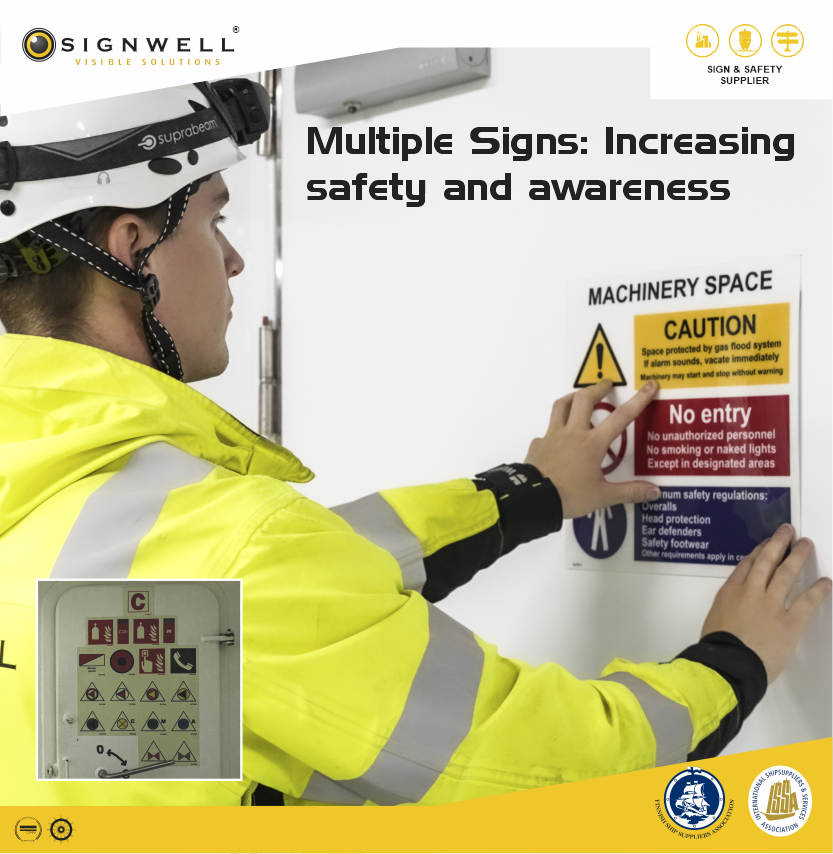
Prohibition signs use red circles with diagonal lines to indicate forbidden actions such as smoking in restricted areas or using open flames near flammable materials. Warning signs feature yellow triangles that alert personnel to hazards including electrical dangers, toxic substances, or areas with limited headroom. Mandatory action signs display blue circles showing required safety behaviours such as wearing personal protective equipment or following specific procedures.
Emergency escape route markings constitute a critical category, guiding people to safety through corridors, stairways, and exit points. These signs often incorporate photoluminescent materials that glow in darkness, remaining visible when power fails. The visual characteristics distinguish each type through standardised colours, shapes, and symbols that are instantly recognisable. Fire equipment signs use red backgrounds, life-saving signs use green, warnings use yellow, and mandatory actions use blue.
How are IMO signs standardised across different countries?
The International Maritime Organization creates universal maritime safety standards through resolutions such as IMO Resolution A.752(18), which establishes the symbols and formats for safety signs on vessels. This standardisation ensures that a crew member from any nation can immediately understand safety information on any vessel, regardless of the ship’s flag state or operating region.
Standardised symbols eliminate language barriers that would otherwise create serious safety risks on international vessels with multinational crews. A Filipino engineer, Norwegian captain, and Indonesian deck crew can all interpret the same IMO signage without translation. This universal visual language becomes particularly crucial during emergencies when rapid comprehension saves lives.
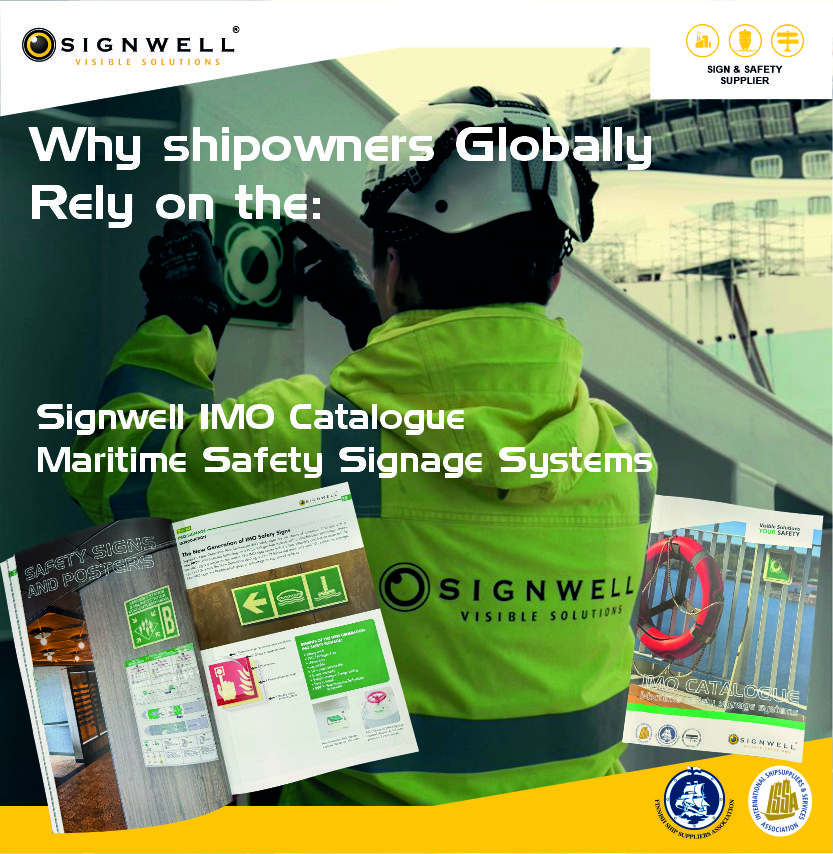
Complementary ISO standards work alongside IMO requirements to provide comprehensive safety communication systems. ISO 14726 governs pipe marking on vessels, ensuring consistent identification of systems carrying different substances. ISO 15370 establishes requirements for low location lighting systems that guide evacuation at floor level during smoke-filled emergencies. Together, these standards create consistent safety communication regardless of vessel flag state, construction location, or crew nationality. We manufacture IMO signs for maritime safety according to these international standards, ensuring compliance across global operations.
What materials are IMO signs made from and why does it matter?
IMO signage must meet stringent material requirements including photoluminescent properties, fire resistance, and durability in harsh marine environments. Photoluminescent signs absorb ambient light and glow in darkness, remaining visible for hours after power failure. This capability becomes critical during emergencies when electrical systems may be compromised and crew must navigate through darkened spaces.
Modern IMO signs increasingly use PVC-free and halogen-free materials that meet safety standards whilst being more environmentally responsible. These materials avoid releasing toxic gases during fires, protecting both people and the environment. Fire resistance ensures signs remain intact and legible even when exposed to flames or extreme heat, continuing to provide guidance when most needed.
Material durability matters because marine environments subject signs to saltwater exposure, UV radiation, temperature extremes, and mechanical wear. Testing standards verify that signs remain visible and functional in conditions ranging from Arctic cold to tropical heat. Signs must withstand constant salt spray, intense sunlight, and temperature variations from -40°C to +150°C. We produce signs from materials that are 100% recyclable and UV-resistant, offering service lives exceeding 150,000 hours whilst maintaining photoluminescent effectiveness throughout their operational lifespan. Quality materials ensure signs remain legible and functional for years, providing reliable safety communication throughout a vessel’s service life.
Where must IMO signs be placed on a ship?
IMO signage placement follows strategic requirements ensuring visibility and accessibility throughout vessels. Escape route markings must be positioned along all evacuation paths from accommodation areas to muster stations and lifeboat positions. These signs guide personnel through corridors, down stairways, and to assembly points where they await further instructions during emergencies.
Low location lighting systems installed at floor level provide guidance during smoke-filled emergencies when ceiling-mounted signs become obscured. These systems use photoluminescent strips or LED lighting to create continuous pathways visible even when crawling through smoke. Fire-fighting equipment locations require clear signage marking extinguishers, hoses, and control stations so crew can respond immediately to fire outbreaks.
Mandatory placement locations include near all life-saving appliances such as lifeboats, life rafts, and emergency equipment storage. Muster stations require prominent signage indicating assembly points and passenger capacity. Hazardous areas need appropriate warnings about electrical equipment, toxic substances, or operational dangers. Placement decisions consider visibility from multiple angles, accessibility during normal operations and emergencies, and effectiveness when lighting conditions change. Signs must remain visible whether someone is standing, sitting, or moving through smoke-filled spaces. We provide consultation services to help determine optimal placement that meets regulatory requirements whilst maximising safety effectiveness.
How do you ensure IMO signage compliance on vessels?
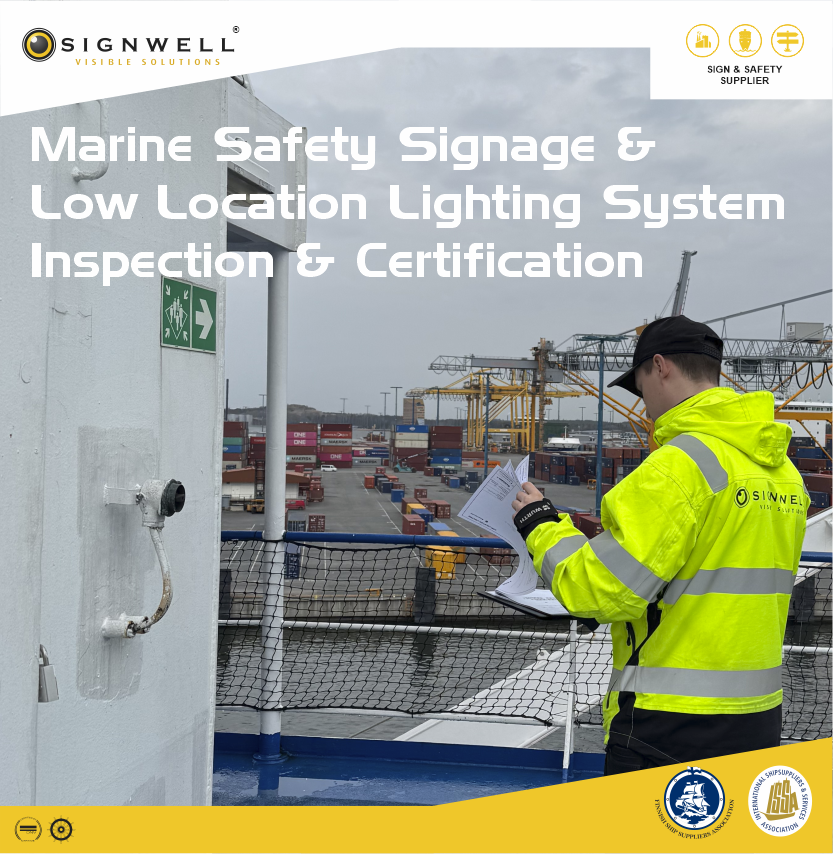
Compliance verification involves inspections, certifications, and maintenance throughout a vessel’s operational life. Classification societies and certified inspectors verify that IMO signage meets regulatory standards during vessel construction and periodic surveys. These inspections confirm proper sign types, materials, placement, and photoluminescent performance according to international requirements.
Documentation requirements include maintaining records of sign specifications, installation locations, and inspection results. Survey processes during vessel construction verify initial compliance, whilst periodic inspections ensure ongoing effectiveness. Port state control inspections can detain vessels with inadequate or non-compliant safety signage, making proper implementation essential for operational continuity.
Maintenance practices ensure signs remain effective throughout their service life. Regular cleaning removes salt deposits and contaminants that reduce visibility or photoluminescent charging. Replacement schedules account for material degradation from UV exposure and environmental wear. Testing photoluminescent properties verifies signs continue meeting minimum brightness requirements after power loss. We offer inspection services through DNV-certified inspectors who verify compliance and system effectiveness. Proper maintenance prevents compliance issues, ensures crew safety, and avoids operational delays from port state control detentions. Establishing systematic inspection and replacement programmes maintains continuous compliance whilst protecting the most valuable asset aboard any vessel—human life.