How does proper safety signage reduce liability?
23.12.2025
Proper safety signage reduces liability by demonstrating legal compliance and due diligence in hazard communication. When accidents occur, documented safety measures, including compliant signage systems, show courts that organisations took reasonable precautions to protect people. This protection extends across workplace safety, regulatory compliance, and failure-to-warn claims in industrial and maritime environments.
How does proper safety signage actually reduce legal liability?
Compliant safety signage creates a legal defence by proving your organisation met its duty of care obligations. Courts examine whether reasonable steps were taken to warn people about hazards, and proper signage demonstrates this proactive approach. When safety signs meet recognised standards and clearly communicate risks, they shift liability away from organisations and towards individuals who ignore clear warnings.
The legal protection works through documentation of hazard awareness and risk mitigation efforts. Safety signage systems that follow established standards show regulatory compliance, which courts view favourably during liability assessments. This documented compliance becomes crucial evidence that your organisation understood potential risks and took appropriate action to address them.
Beyond immediate legal protection, proper signage supports broader safety management systems that reduce incident frequency. When fewer accidents occur due to effective hazard communication, overall liability exposure decreases significantly. The signage becomes part of a comprehensive approach that demonstrates an ongoing commitment to safety rather than reactive measures after incidents.
What are the most common liability risks that safety signage helps prevent?
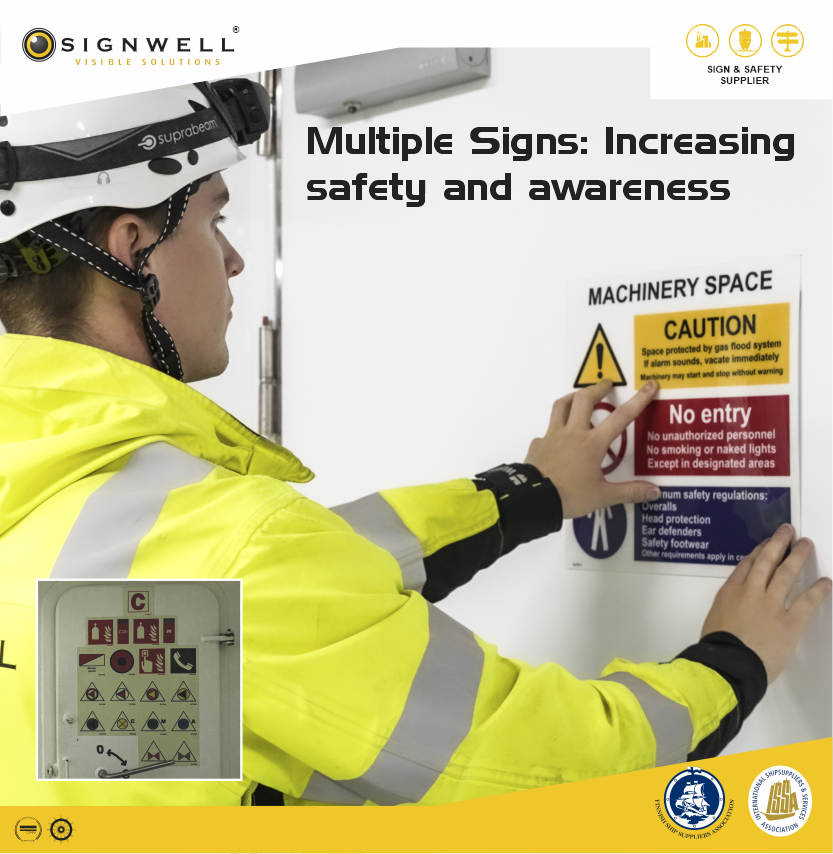
Workplace accident claims represent the most frequent liability risk that proper signage addresses. Slip and fall incidents, equipment-related injuries, and exposure to hazardous materials often result in legal action when adequate warnings were not provided. Safety signs that clearly identify these hazards and specify required precautions significantly reduce successful liability claims.
Regulatory violation penalties create substantial financial liability that compliant signage helps avoid. Maritime operations face particular scrutiny under SOLAS requirements, while industrial facilities must meet occupational safety standards. Non-compliance fines can reach significant amounts, but proper signage systems demonstrate good-faith efforts to meet regulatory obligations.
Failure-to-warn claims emerge when people suffer harm from hazards they were not adequately informed about. These cases often focus on whether warnings were visible, understandable, and appropriately placed. Comprehensive safety sign systems that address multiple languages, lighting conditions, and emergency scenarios provide a strong defence against such claims.
Environmental and chemical exposure incidents generate complex liability issues that proper signage helps mitigate. Clear identification of hazardous substances, required protective equipment, and emergency procedures reduces both incident likelihood and successful legal challenges. The signage creates documented evidence of hazard communication efforts.
Which safety signage standards matter most for liability protection?
ISO 14726 standards provide internationally recognised requirements for safety signs in maritime and industrial settings. These standards specify design, placement, and maintenance requirements that courts accept as industry best practice. Compliance with ISO 14726 creates strong legal protection because it demonstrates adherence to globally accepted safety communication principles.
IMO regulations establish mandatory requirements for maritime safety signage that carry legal weight in international waters. SOLAS Chapter III requirements for evacuation and emergency signage are not optional recommendations but legal obligations. Non-compliance can result in vessel detention, substantial fines, and increased liability exposure during incidents.
Industry-specific standards like PSK 0903 for pipeline marking provide targeted protection for particular sectors. These specialised requirements address unique hazards and communication needs that general standards might not cover adequately. Following sector-specific standards shows a deeper understanding of relevant risks and appropriate mitigation measures.
National occupational safety standards vary by jurisdiction but typically reference international frameworks while adding local requirements. Understanding which standards apply in your operating regions ensures comprehensive compliance. Multi-jurisdictional operations benefit from systems that meet the highest applicable standards across all locations.
How do you prove your safety signage meets liability protection requirements?
Documentation systems must track signage installation, maintenance, and compliance verification throughout the system lifecycle. Certification records from qualified inspectors provide independent verification that installations meet required standards. These records become crucial evidence during legal proceedings to demonstrate ongoing compliance efforts rather than one-time installations.
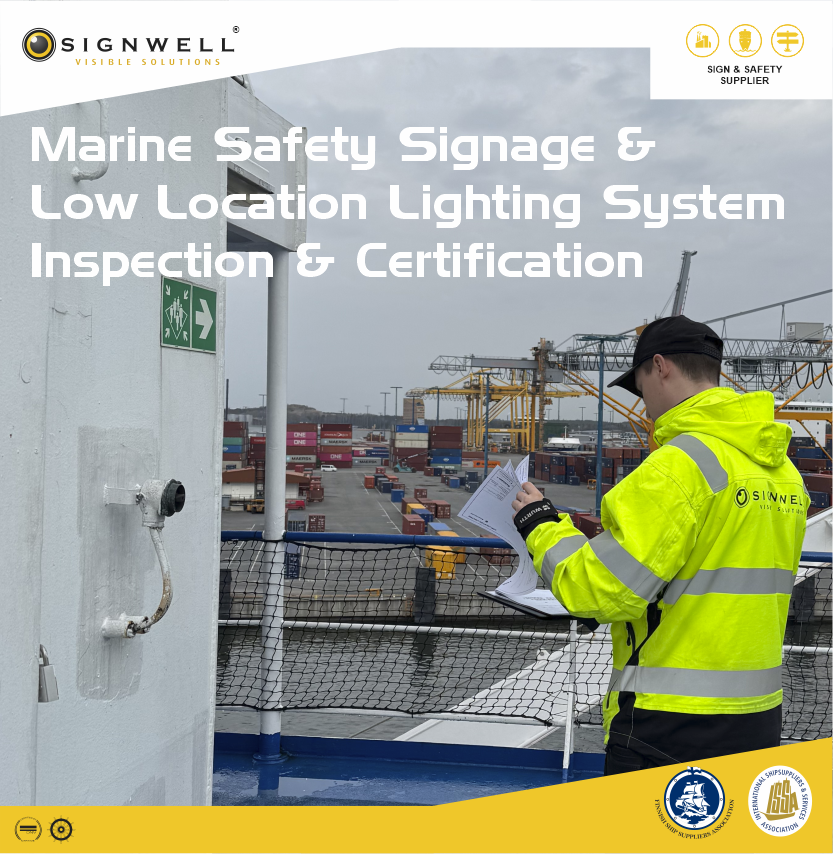
Regular inspection programmes create ongoing compliance documentation that courts value highly. Scheduled maintenance records, deficiency corrections, and system updates show continuous attention to safety signage effectiveness. This documentation pattern demonstrates a systematic approach to hazard communication rather than sporadic efforts.
Professional certification processes provide third-party validation of signage system compliance. Certified inspectors can verify that installations meet specific standards and provide detailed reports supporting compliance claims. These professional assessments carry significant weight in legal proceedings because they represent independent expert opinions.
Photographic documentation and installation records create visual proof of proper signage placement and condition. Time-stamped images showing signage visibility, condition, and appropriate positioning support compliance arguments. Digital documentation systems that track changes over time provide comprehensive evidence of ongoing safety signage management.
Training records demonstrating staff understanding of signage systems and maintenance requirements further strengthen compliance documentation. When personnel can demonstrate knowledge of signage requirements and proper maintenance procedures, it shows organisational commitment to effective safety communication systems.