How do you install IMO signs correctly?
1.01.2026
Installing IMO signs correctly requires following specific procedures for surface preparation, mounting, and positioning according to SOLAS regulations. Proper installation ensures crew safety during emergencies and maintains regulatory compliance. The process varies depending on sign type, mounting surface, and environmental conditions, but following systematic steps guarantees reliable, long-lasting installations that meet international maritime safety standards.
What are IMO signs and why is proper installation crucial for maritime safety?
IMO signs are standardized safety markers required on vessels under the International Maritime Organization’s SOLAS (Safety of Life at Sea) convention. These signs provide critical guidance during emergencies, indicating escape routes, safety equipment locations, and hazard warnings to ensure crew and passenger safety.
Proper installation directly impacts survival during maritime emergencies. Incorrectly positioned or poorly mounted signs can fall during rough seas, become illegible due to improper surface preparation, or fail to guide people to safety when visibility is compromised. SOLAS regulations specify exact placement requirements, visibility angles, and mounting standards that must be maintained throughout the vessel’s operational life.
The consequences of improper installation extend beyond safety risks. Maritime authorities conduct regular inspections, and non-compliant signage can result in vessel detention, costly delays, and regulatory penalties. Insurance claims may also be affected if accidents occur where signage failures contributed to injuries or evacuation difficulties.
What tools and materials do you need for professional IMO sign installation?
Essential installation tools include measuring tape, spirit level, drill with marine-grade bits, screwdrivers, cleaning solvents, and safety equipment like gloves and eye protection. The specific tools required depend on whether you’re using adhesive mounting, mechanical fastening, or combination methods.
For adhesive installations, you need marine-grade structural adhesives rated for the operating temperature range, surface preparation solvents like isopropyl alcohol, and lint-free cleaning cloths. Mechanical mounting requires stainless steel screws or rivets, appropriate drill bits, and sealants to prevent water ingress around fastener holes.
Quality standards matter significantly in marine environments. All materials must resist saltwater corrosion, UV degradation, and temperature extremes. Fasteners should be grade 316 stainless steel at minimum, while adhesives must maintain bond strength in temperatures from -30°C to +70°C. Safety equipment includes non-slip footwear, harnesses for elevated work, and proper lighting for accurate placement verification.
How do you prepare the surface and plan IMO sign placement correctly?
Surface preparation begins with thorough cleaning using marine-grade degreasers to remove oil, salt deposits, and existing coatings. The mounting area must be completely dry and free from contaminants that could compromise adhesion or create uneven mounting surfaces.
Planning placement involves measuring viewing distances according to IMO guidelines, which specify minimum and maximum visibility ranges for different sign types. Photoluminescent signs require specific positioning relative to light sources for proper charging, while directional signs must align with actual escape routes and emergency equipment locations.
Environmental considerations include avoiding areas prone to mechanical damage, ensuring drainage around the sign perimeter, and accounting for vessel movement effects. Temperature conditions during installation affect adhesive curing, so timing installations during stable weather conditions improves long-term reliability. Document all measurements and positions before beginning installation to ensure consistency across similar areas.
What is the step-by-step process for mounting different types of IMO signs?
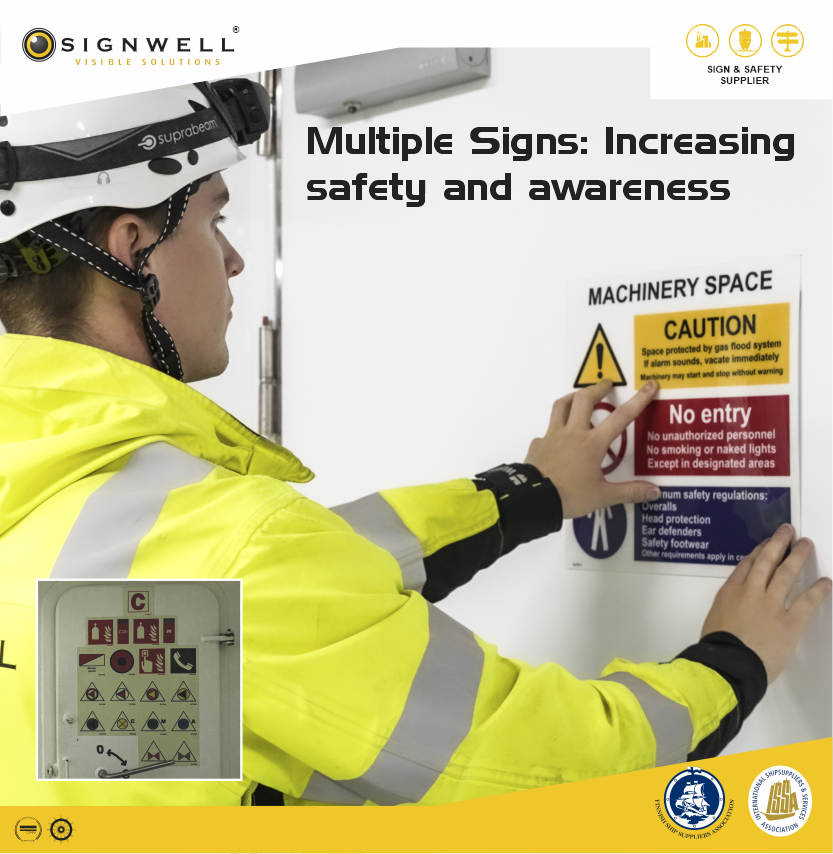
Adhesive mounting starts with final surface cleaning using isopropyl alcohol, followed by positioning the sign using temporary guides or templates. Remove the adhesive backing gradually while pressing firmly from the centre outward to eliminate air bubbles, then apply consistent pressure for the specified curing time.
Mechanical fastening requires precise hole marking using the sign as a template, drilling pilot holes slightly smaller than the fastener diameter, and applying marine sealant to prevent water ingress. Insert fasteners gradually, checking alignment frequently, and torque to manufacturer specifications without over-tightening, which could crack the sign material.
Photoluminescent signs need special attention to orientation and light exposure. Position these signs where they receive adequate charging light during normal operations, typically requiring 50 lux minimum for proper activation. Combination mounting methods use adhesive for primary attachment with mechanical fasteners as backup, particularly useful for larger signs or high-vibration areas.
What are the most common IMO sign installation mistakes and how do you avoid them?
Inadequate surface preparation causes most installation failures, including poor cleaning, installing over incompatible coatings, or mounting on surfaces with moisture or contaminants. Always verify surface compatibility and follow complete preparation procedures regardless of time pressures.
Incorrect positioning errors include installing signs too high or low for effective visibility, misaligning directional indicators with actual routes, and placing signs where they obstruct normal operations or other safety equipment. Use proper measuring tools and verify sight lines from multiple positions before final mounting.
Environmental mistakes involve ignoring temperature and humidity conditions during installation, failing to account for thermal expansion, and providing inadequate protection from mechanical damage. Plan installations during optimal weather conditions and consider long-term environmental exposure when selecting mounting methods. Always verify installation quality with proper lighting conditions that match emergency scenarios.
How do you inspect and maintain IMO signs after installation for long-term compliance?
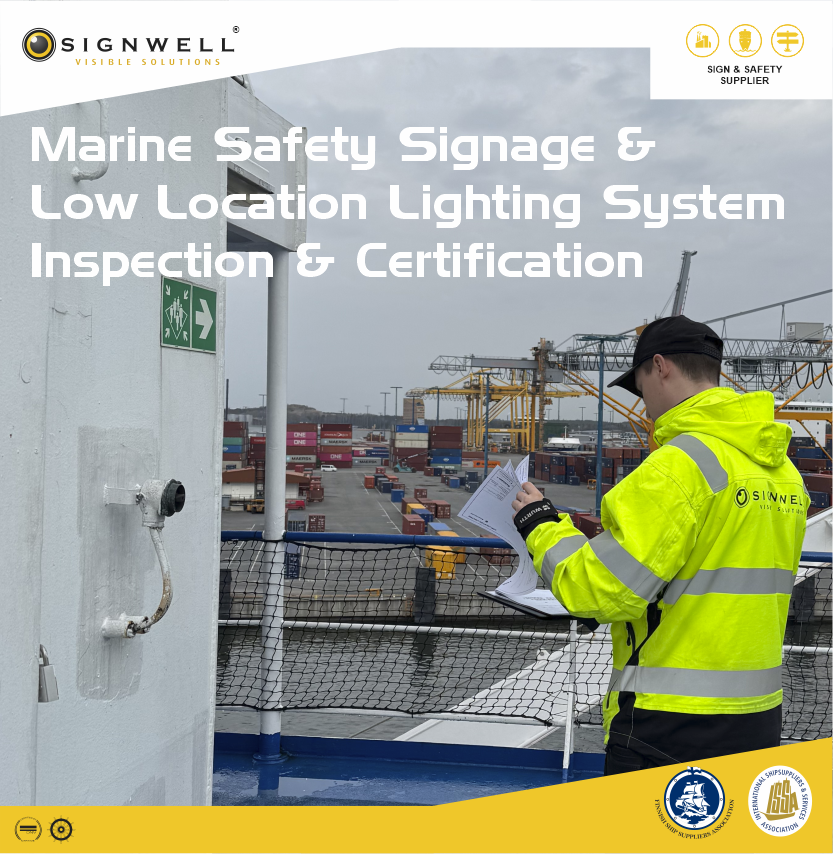
Regular inspection schedules should include monthly visual checks for physical damage, mounting integrity, and visibility clarity, with detailed quarterly assessments of photoluminescent performance, fastener condition, and overall compliance with positioning requirements.
Performance testing involves checking photoluminescent charging and glow duration using calibrated light meters, verifying that all text remains legible under normal and emergency lighting conditions, and confirming that mounting systems remain secure without loosening or corrosion damage.
Documentation requirements include maintaining installation records, inspection logs, and replacement schedules for regulatory compliance. Prepare for maritime authority inspections by ensuring all signs meet current standards, maintaining a clean and undamaged appearance, and having documentation readily available. Replace signs immediately when damage affects visibility, mounting integrity, or regulatory compliance rather than attempting repairs that may not meet safety standards.
Professional IMO sign installation requires attention to detail, proper materials, and systematic procedures to ensure maritime safety compliance. Regular maintenance and inspection schedules protect your investment while maintaining the critical safety functions these signs provide during emergencies. When planning your next installation project, consider consulting certified maritime safety professionals to ensure optimal results and regulatory compliance.