Can you improve ship safety by upgrading to New Generation IMO signs?
5.09.2026
Upgrading to New Generation IMO signs significantly improves ship safety through advanced materials, enhanced visibility, and superior durability compared to traditional marine signage. These modern systems provide clearer emergency guidance, better compliance with international maritime standards, and more reliable performance in extreme conditions, making them essential for contemporary maritime safety requirements.
What makes New Generation IMO signs different from traditional marine safety signage?
New Generation IMO signs feature advanced PVC materials that exceed standard requirements by up to four times, offering superior durability and environmental safety compared to conventional marine signage. These signs incorporate enhanced photoluminescent technology and improved visibility features that perform better in low-light emergency conditions.
The material composition represents a fundamental shift from traditional signage systems. Modern IMO signs eliminate harmful halogens while maintaining structural integrity in extreme maritime environments. This advancement addresses both environmental concerns and safety performance, creating signage that withstands temperature ranges from -40°C to +150°C without degradation.
Visibility improvements include brighter photoluminescent properties that charge faster and glow longer than older systems. The enhanced contrast ratios and clearer symbol definition help crew members and passengers identify safety information quickly during emergencies. These signs also feature improved mounting systems that resist vibration and impact damage common in marine environments.
Manufacturing precision has improved significantly, with better quality control ensuring consistent performance across all signs in a vessel’s safety system. The standardised production processes mean replacement signs match existing installations perfectly, maintaining visual consistency throughout the vessel.
How do upgraded IMO signs actually improve safety during ship emergencies?
Upgraded IMO signs enhance emergency response through improved visibility in smoke-filled conditions and clearer directional guidance that remains readable when traditional lighting fails. The enhanced photoluminescent properties provide up to 12 hours of continuous visibility, ensuring evacuation routes remain clearly marked throughout extended emergency situations.
During power failures or when emergency lighting systems are compromised, modern IMO signs continue functioning independently. The advanced photoluminescent materials store more light energy and release it more efficiently, creating brighter and longer-lasting guidance for evacuating personnel. This reliability proves crucial during extended emergency situations where battery-powered systems may fail.
The improved symbol clarity and contrast help reduce confusion during high-stress evacuation scenarios. Enhanced readability means crew members can quickly identify assembly points, escape routes, and safety equipment locations even in challenging visibility conditions. This rapid identification reduces evacuation time and prevents dangerous delays.
Weather resistance improvements ensure signs remain functional during severe maritime conditions. Traditional signs often fade, crack, or become illegible when exposed to salt spray, UV radiation, and extreme temperatures. New Generation systems maintain their visibility and structural integrity throughout their operational lifespan, providing consistent safety guidance regardless of environmental conditions.
What are the compliance benefits of switching to New Generation IMO signage?
New Generation IMO signage ensures enhanced SOLAS compliance and adherence to current international maritime standards, including ISO 15370:2021 and IMO Resolution A.752(18). These systems help vessels meet evolving safety regulations while simplifying inspection processes through standardised documentation and certification procedures.
Regulatory compliance becomes more straightforward with modern signage systems that exceed minimum requirements. Vessels equipped with New Generation IMO signs demonstrate proactive safety management, often resulting in smoother inspections and reduced regulatory scrutiny. The comprehensive documentation provided with these systems helps inspectors verify compliance quickly and efficiently.
International port acceptance improves when vessels display clearly compliant safety signage. Modern IMO signs meet requirements across different maritime jurisdictions, reducing the risk of delays or complications during port inspections. This universal compliance proves particularly valuable for vessels operating on international routes.
Future regulatory changes pose less risk to vessels with advanced signage systems. New Generation IMO signs often exceed current requirements, providing a buffer against stricter future regulations. This forward compatibility protects operators from costly retrofit requirements when standards evolve.
When should ship operators consider upgrading their existing IMO sign systems?
Ship operators should prioritise IMO sign upgrades during scheduled dry-dock periods or major maintenance cycles to minimise operational disruption and maximise cost efficiency. Immediate upgrades become necessary when existing signs show visible degradation, fail inspection requirements, or when vessels undergo route changes requiring enhanced safety standards.
Planned maintenance windows offer the most cost-effective upgrade opportunities. Combining signage upgrades with other scheduled work reduces labour costs and vessel downtime. Operators can coordinate with other safety system improvements, creating comprehensive upgrades that enhance overall vessel safety while managing expenses efficiently.
Regulatory deadlines drive some upgrade decisions, particularly when port state control inspections identify deficiencies or when new routes require higher safety standards. Proactive upgrades before inspection cycles help avoid operational delays and potential penalties associated with non-compliance findings.
Age-based replacement schedules help operators plan upgrades systematically. Signs showing fading, cracking, or reduced visibility should be prioritised for replacement regardless of regulatory requirements. We recommend establishing replacement schedules based on the severity of the operational environment, with vessels in harsh conditions requiring more frequent updates than those in moderate climates.
Upgrading to New Generation IMO signs represents a strategic investment in maritime safety and regulatory compliance. The enhanced visibility, improved materials, and superior durability of modern systems provide measurable safety improvements while simplifying compliance management. Ship operators who prioritise these upgrades during planned maintenance periods achieve the best balance of safety enhancement and operational efficiency, ensuring their vessels meet current standards while preparing for future regulatory developments.
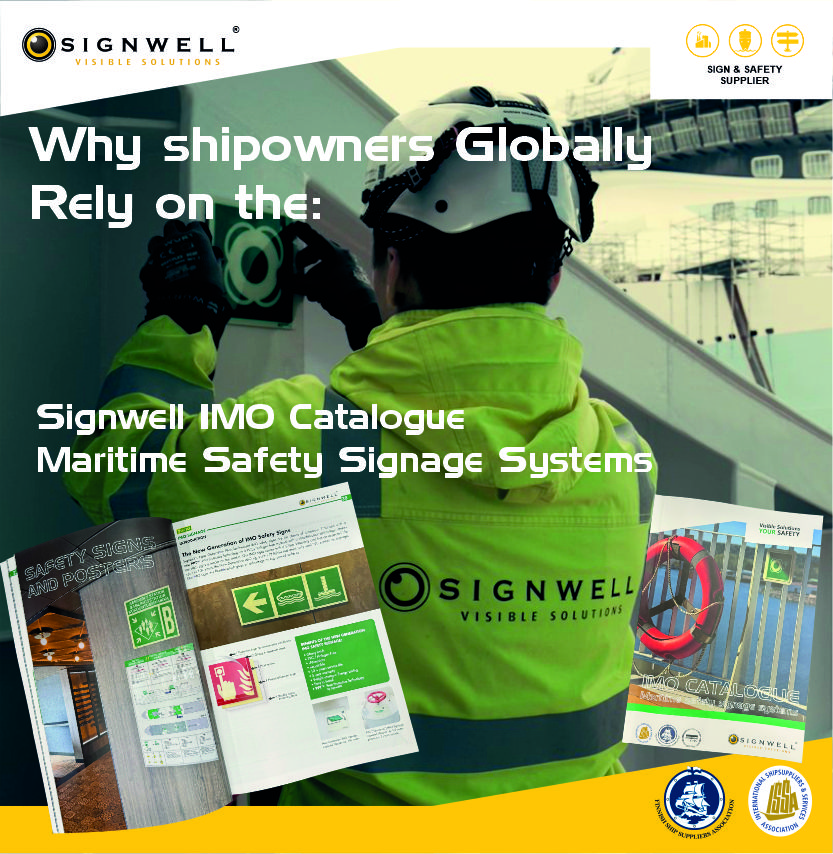
Looking for IMO-compliant signage for your vessel? Explore Signwell’s IMO signs and find suitable marine safety signage designed to meet the demands of modern maritime environments.
This content was generated with the help of AI and it may contain mistakes