What do yellow IMO signs indicate?
15.04.2026
Yellow IMO signs serve as caution and warning indicators in maritime environments, alerting crew members to potential hazards, the locations of fire safety equipment, and dangerous areas aboard ships. These bright yellow markers follow international maritime safety standards and play a crucial role in preventing accidents and ensuring proper emergency response procedures.
What do yellow IMO signs indicate on ships and marine facilities?
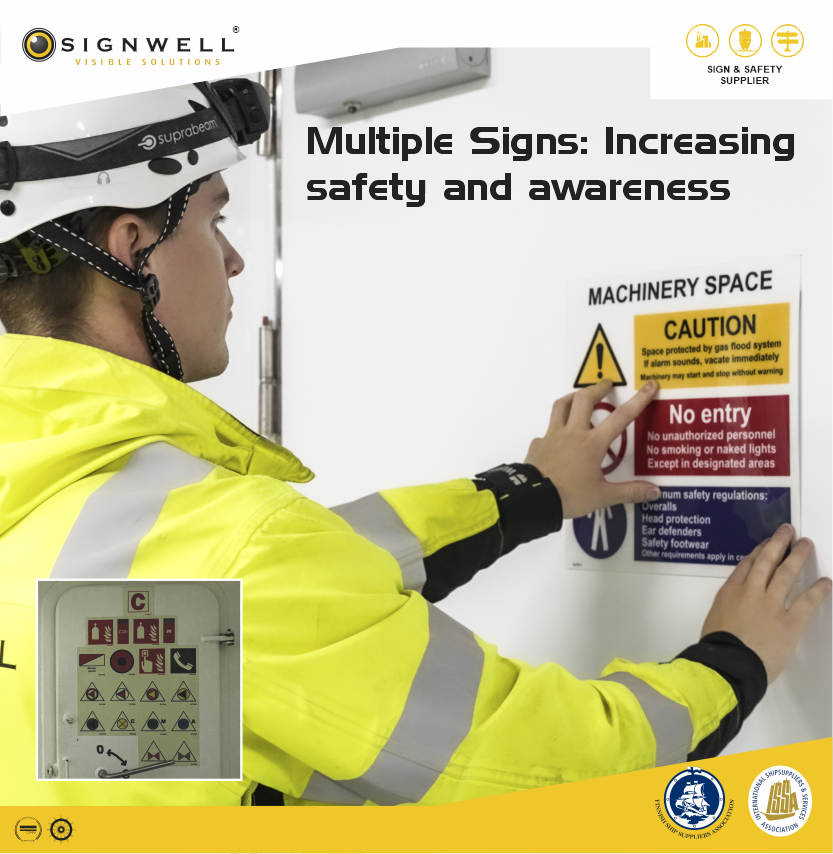
Yellow IMO signs primarily indicate cautionary warnings and hazardous conditions that require crew attention and careful handling. These signs mark areas where special precautions are necessary, identify the locations of fire safety equipment, and highlight potentially dangerous zones such as chemical storage areas, high-voltage electrical equipment, and machinery spaces with moving parts.
The yellow colour coding follows IMO Resolution A.752(18) guidelines, which establish standardised visual communication systems for maritime safety. Yellow signs typically feature black symbols or text to ensure maximum contrast and visibility in various lighting conditions. Common applications include marking fire extinguisher locations, indicating slippery surfaces, warning of overhead hazards, and identifying areas where personal protective equipment is mandatory.
These warning signs are particularly important in engine rooms, where they mark hot surfaces, rotating machinery, and high-pressure systems. In cargo areas, yellow signs indicate hazardous material storage zones and areas requiring special handling procedures. The consistent use of yellow for cautionary messages helps crew members quickly recognise potential risks and take appropriate safety measures.
How does IMO colour coding work for maritime safety signage?
IMO colour coding creates a universal visual language that enables crew members from different nationalities to quickly understand safety information regardless of language barriers. The system uses four primary colours: red for emergency and fire equipment, green for safety and escape routes, blue for mandatory actions, and yellow for caution and warnings.
Red signs indicate the locations of emergency equipment, fire alarm points, and emergency stops. These signs help crew members locate firefighting equipment, emergency communication devices, and shutdown controls during critical situations. Green signs mark escape routes, assembly points, first aid stations, and the locations of safety equipment, providing clear guidance during evacuations.
Blue signs communicate mandatory requirements such as wearing protective equipment, following specific procedures, or using designated pathways. The colour system ensures that safety information is immediately recognisable and actionable, reducing response times during emergencies and improving overall safety compliance aboard vessels.
What’s the difference between yellow IMO signs and other coloured safety signs?
Yellow IMO signs focus on prevention and awareness, warning crew members about potential hazards before they encounter dangerous situations. Unlike red emergency signs, which indicate immediate action during crises, yellow signs provide ongoing cautionary messages that help prevent accidents from occurring in the first place.
Red signs demand immediate attention and indicate emergency equipment or alarm conditions. These signs are used for fire extinguishers, emergency stops, and alarm activation points. Green signs provide positive guidance, showing safe directions, escape routes, and the locations of safety equipment. They guide people towards safety rather than warning them away from danger.
Blue signs mandate specific actions or behaviours, such as wearing safety equipment or following particular procedures. The distinction between yellow and other colours is crucial for maritime safety compliance, as each colour triggers different psychological responses and action patterns. Yellow creates awareness and caution, while other colours prompt specific immediate actions or provide directional guidance.
Where should yellow IMO signs be placed on ships according to SOLAS requirements?
SOLAS requirements mandate yellow warning signs in specific high-risk locations where crew members need immediate awareness of potential hazards. Primary placement areas include engine rooms near hot surfaces and rotating machinery, electrical panels and switchboards, hazardous material storage areas, and locations with overhead hazards or confined spaces.
Engine compartments require yellow signs marking high-temperature surfaces, moving machinery parts, and areas with pressurised systems. Electrical spaces need caution signs indicating high-voltage equipment, battery rooms with chemical hazards, and areas requiring specific safety procedures. Chemical storage areas must display yellow signs warning of dangerous substances, proper handling requirements, and emergency response procedures.
Deck areas require yellow signs for slippery surfaces, crane operation zones, and areas where falling objects pose risks. Accommodation spaces need warning signs for the locations of emergency equipment, areas requiring restricted access, and zones where special safety measures apply. Proper placement ensures maximum visibility while maintaining compliance with international maritime safety regulations and supporting effective risk management aboard vessels.
Understanding the applications of yellow IMO signs helps create safer maritime working environments through proper hazard identification and crew awareness. These warning systems work together with other coloured signage to establish comprehensive safety communication that protects lives and prevents accidents at sea. Proper implementation of yellow warning signs demonstrates a commitment to international maritime safety standards and crew protection.