Glow in the Dark Signage Trends for 2024
9.05.2026
The safety landscape is evolving rapidly, and glow-in-the-dark signage stands at the forefront of this transformation. Traditional emergency lighting systems are showing their age, with frequent failures during critical moments, while innovative photoluminescent technologies offer unprecedented reliability. Maritime industries and industrial facilities worldwide are discovering that modern luminescent systems deliver superior performance, enhanced safety outcomes, and remarkable cost savings.
From breakthrough innovations in low-location lighting to revolutionary materials that outperform conventional alternatives, 2024 marks a pivotal year for emergency safety solutions. We will explore why traditional systems fall short, examine cutting-edge photoluminescent technologies, and reveal how smart organisations are measuring impressive returns on their luminescent system investments.
Why traditional emergency lighting fails in critical situations
Power dependency remains the Achilles’ heel of conventional emergency lighting systems. When disasters strike and electrical infrastructure fails, battery-powered emergency lights often prove inadequate. These systems require constant maintenance, regular battery replacements, and frequent testing to ensure functionality. Many facilities discover that their emergency lighting has failed precisely when it is needed most.
Visibility problems intensify during genuine emergencies. Smoke, steam, or other airborne particles can obscure LED emergency lights, while their limited coverage areas create dangerous dark zones. Traditional systems also suffer from single points of failure, where one component malfunction can compromise entire evacuation routes.
The financial burden extends beyond initial installation costs. Regular maintenance schedules, replacement batteries, bulb changes, and compliance testing create ongoing expenses. Facilities managers often underestimate these cumulative costs, which can exceed the original system price over a decade of operation.
Revolutionary photoluminescent technology transforming safety standards
Photoluminescent materials operate through a fascinating charging mechanism. These advanced compounds absorb ambient light energy during normal conditions, storing it within their molecular structure. When darkness falls, they release this stored energy as visible light, creating reliable illumination without any power source.
Modern photoluminescent technology has evolved dramatically from early glow-in-the-dark materials. Today’s systems feature enhanced brightness levels, extended glow duration, and superior visibility in zero-light conditions. The materials charge efficiently from various light sources, including fluorescent, LED, and natural daylight.
Performance advantages become apparent during real emergencies. Unlike traditional systems, photoluminescent signage activates automatically when power fails, requires no maintenance schedules, and maintains consistent visibility regardless of environmental conditions. These materials provide continuous guidance along evacuation routes, eliminating the gaps common in conventional emergency lighting layouts.
2024’s breakthrough innovations in low-location lighting systems
The 3L-PL™ photoluminescent system represents a quantum leap in emergency guidance technology. This new-generation solution weighs significantly less than traditional profile systems, reducing installation complexity and structural requirements. The lightweight design enables faster deployment across extensive facilities without compromising performance standards.
Enhanced durability features make these systems suitable for extreme environments. Modern photoluminescent materials withstand temperature ranges from negative forty to positive one hundred fifty degrees Celsius, while maintaining UV resistance and extended operational lifespans exceeding 150,000 hours.
The 3L-EP™ LED system complements photoluminescent technology with extended operational ranges reaching up to 1,000 metres without interruption. Installation methods have been simplified considerably, with modular components that reduce labour costs and enable rapid deployment. These innovations deliver superior cost-effectiveness compared with traditional emergency lighting installations.
Maritime industry adoption of next-generation glow signage
SOLAS compliance requirements drive maritime adoption of advanced photoluminescent systems. Modern vessels implement comprehensive glow-in-the-dark signage solutions that exceed traditional safety standards while reducing maintenance burdens during extended voyages.
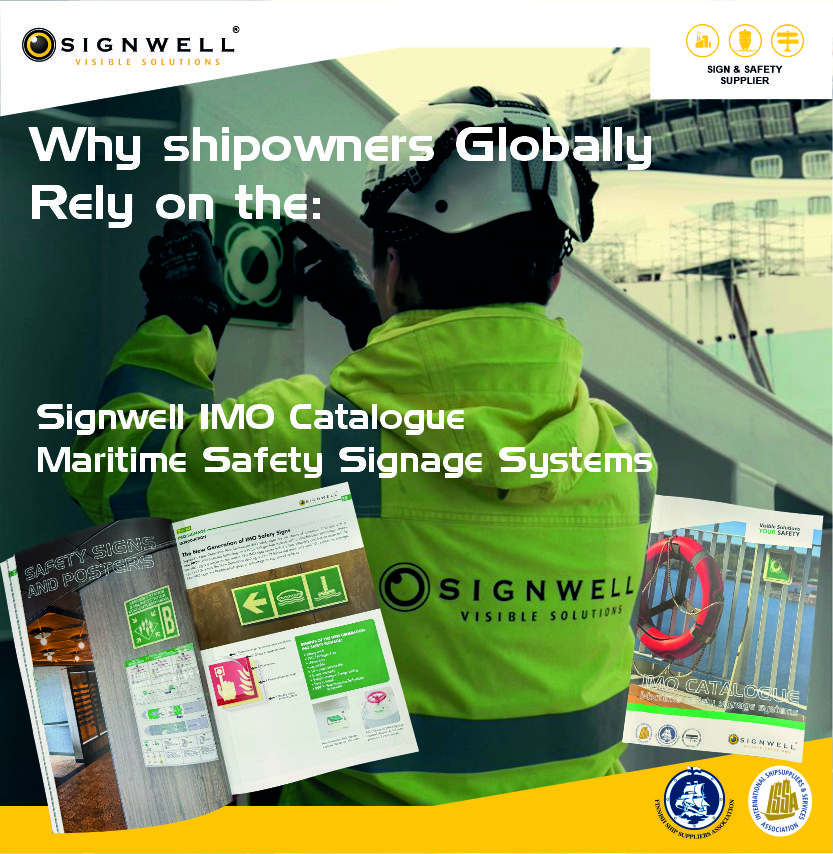
New-generation IMO signage utilises PVC and halogen-free materials, delivering performance levels that exceed standard requirements fourfold. These systems provide crucial guidance during maritime emergencies when conventional lighting systems may fail due to power loss or structural damage.
Offshore platform applications benefit tremendously from photoluminescent technology. The harsh marine environment, with its salt spray, extreme temperatures, and limited maintenance windows, makes traditional emergency lighting particularly unreliable. Photoluminescent systems eliminate these concerns while ensuring continuous compliance with international maritime safety regulations.
Measuring ROI and performance of modern luminescent systems
Cost–benefit calculations reveal compelling advantages for photoluminescent systems. Initial installation costs often match or undercut traditional emergency lighting, while operational expenses drop dramatically. Maintenance savings alone can justify the investment within three to five years.
Compliance advantages extend beyond cost considerations. Photoluminescent systems typically exceed regulatory requirements, reducing inspection concerns and potential penalties. Their reliability eliminates costly emergency retrofits and urgent repairs that plague traditional systems.
Long-term performance metrics demonstrate exceptional value over periods of more than ten years. Total ownership costs favour photoluminescent systems significantly, particularly when factoring in reduced maintenance labour, eliminated battery replacements, and enhanced system reliability. Facilities report improved safety audit results and reduced insurance premiums as additional benefits.
The evidence clearly supports transitioning to modern luminescent systems. As safety standards evolve and cost pressures intensify, glow-in-the-dark signage emerges as the logical choice for forward-thinking organisations. These systems deliver superior safety outcomes while providing measurable financial benefits that compound over time, making them an investment in both human safety and operational efficiency.
This content was generated with the help of AI and it may contain mistakes