Best Glow in the Dark Signage for Emergency Exits
2.04.2026
Emergency evacuations can turn deadly when people cannot find their way to safety in the dark. Traditional electrically powered exit signs often fail precisely when they’re needed most, leaving occupants stranded during power outages, fires, or other emergencies. Glow-in-the-dark signage offers a revolutionary solution that works independently of electrical power, providing continuous visibility when conventional systems fail.
This technology has transformed emergency safety protocols across marine, industrial, and commercial environments. Understanding the limitations of traditional systems and the advantages of photoluminescent alternatives helps facility managers make informed decisions about their emergency evacuation infrastructure.
Why traditional emergency exit signs fail during power outages
Conventional emergency lighting systems rely heavily on electrical power and backup batteries, creating multiple points of failure during critical moments. When main power fails, these systems depend entirely on battery backup units that frequently suffer from insufficient maintenance, expired batteries, or inadequate charging cycles.
Battery-powered emergency signs typically provide illumination for only 90 minutes to 3 hours, which may prove insufficient during extended emergencies or complex evacuations. The visibility of these signs also diminishes significantly in smoke-filled environments, as the light source can create glare or become completely obscured.
Maintenance costs for traditional systems accumulate rapidly due to regular battery replacements, bulb changes, and electrical testing requirements. Many facilities struggle to maintain compliance with safety regulations because of these ongoing maintenance demands, potentially compromising occupant safety during emergencies.
How photoluminescent technology revolutionises emergency evacuation
Photoluminescent materials absorb and store energy from ambient light sources, then release this energy as visible light in dark conditions. This process, called phosphorescence, allows glow-in-the-dark signage to function completely independently of electrical power or battery systems.
The charging mechanism requires minimal light exposure, with most high-quality photoluminescent signs reaching full charge within 25 minutes under standard artificial lighting. Once charged, these signs can provide visible guidance for 10 to 24 hours, far exceeding the duration capabilities of battery-powered alternatives.
Our 3L-PL™ photoluminescent system represents next-generation technology that offers superior performance compared to traditional profile systems. The material maintains consistent luminance levels throughout its discharge period, ensuring reliable visibility during extended emergency situations without the weight and complexity of electrical installations.
Essential features of high-performance glow-in-the-dark exit signs
Effective photoluminescent emergency signage must meet specific performance standards to ensure reliable operation during emergencies. Luminance levels should comply with ISO 15370:2021 standards, providing minimum brightness measurements of 150 millicandelas per square metre after 10 minutes and 15 millicandelas per square metre after 60 minutes.
Glow duration capabilities vary significantly between different photoluminescent materials. Premium signs maintain visibility for over 12 hours, while standard materials may fade within 4 to 6 hours. Charging time requirements should not exceed 25 minutes under normal artificial lighting conditions to ensure rapid reactivation after power restoration.
Durability standards become crucial in challenging environments. High-performance signs must withstand temperature ranges from -40°C to +150°C while maintaining their photoluminescent properties. UV resistance prevents degradation from sunlight exposure, and chemical resistance ensures longevity in industrial environments with aggressive substances.
Viewing distances depend on sign size and luminance levels. Standard exit signs should remain clearly visible from 15 to 25 metres under dark conditions, while larger directional signs may provide visibility up to 50 metres when properly sized and positioned.
Marine and industrial applications for luminescent emergency signage
Maritime environments present unique challenges for emergency signage due to extreme weather conditions, salt exposure, and complex vessel layouts. Photoluminescent signs excel in these applications because they eliminate electrical complications while providing reliable guidance during power failures or fire emergencies.
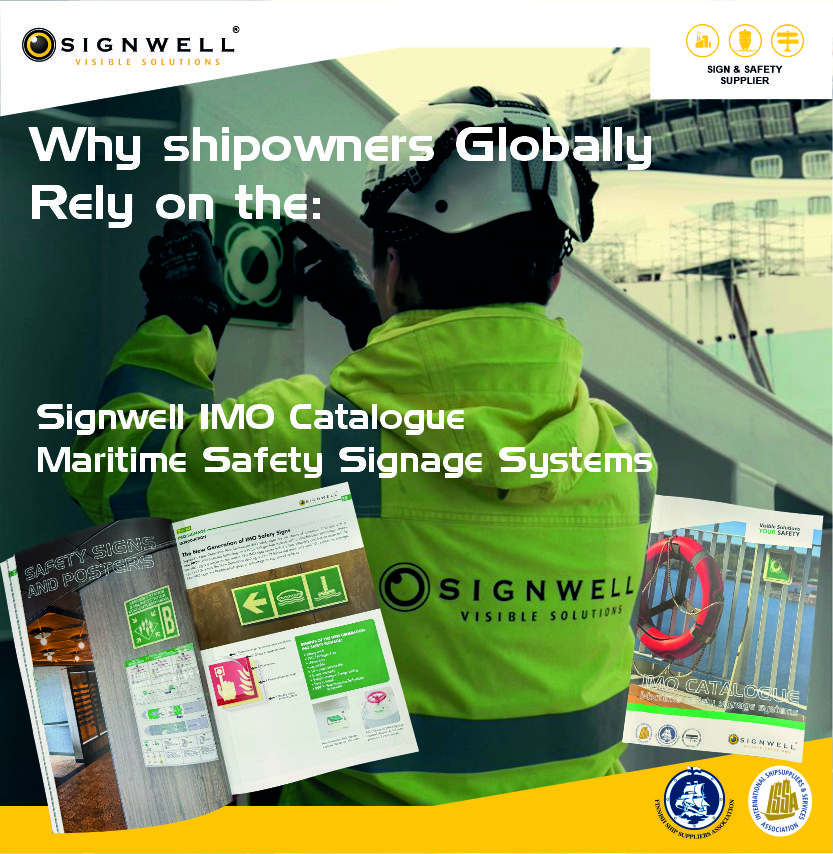
IMO regulations and SOLAS requirements specifically address emergency evacuation systems on vessels. Our New Generation IMO signs exceed these standards by four times while using PVC-free and halogen-free materials that prevent toxic gas emissions during fires. These signs maintain their luminescent properties despite constant exposure to salt spray and temperature fluctuations.
Offshore platforms benefit significantly from photoluminescent technology because of the harsh operating conditions and limited evacuation options. The signs continue functioning in smoke-filled environments where traditional lighting becomes ineffective, guiding personnel to muster stations and lifeboats.
Industrial facilities with hazardous processes require emergency signage that operates reliably during chemical spills, explosions, or fires. Glow-in-the-dark signage provides continuous guidance without creating electrical hazards or requiring complex wiring through potentially dangerous areas.
Installation best practices for maximum emergency sign effectiveness
Strategic placement of photoluminescent emergency signs requires careful consideration of evacuation routes, viewing angles, and ambient lighting conditions. Signs should be mounted at consistent heights between 1.8 and 2.2 metres to ensure visibility above crowd levels while remaining accessible for maintenance.
Spacing requirements depend on corridor width and environmental conditions. Generally, signs should be positioned every 15 to 20 metres along evacuation routes, with additional signs at direction changes, stairwells, and decision points. Corner installations require signs visible from both approach directions.
Integration with existing safety systems enhances overall emergency preparedness. Photoluminescent signage complements rather than replaces other safety equipment, providing backup guidance when primary systems fail. The signs should align with emergency lighting layouts and public address system coverage areas.
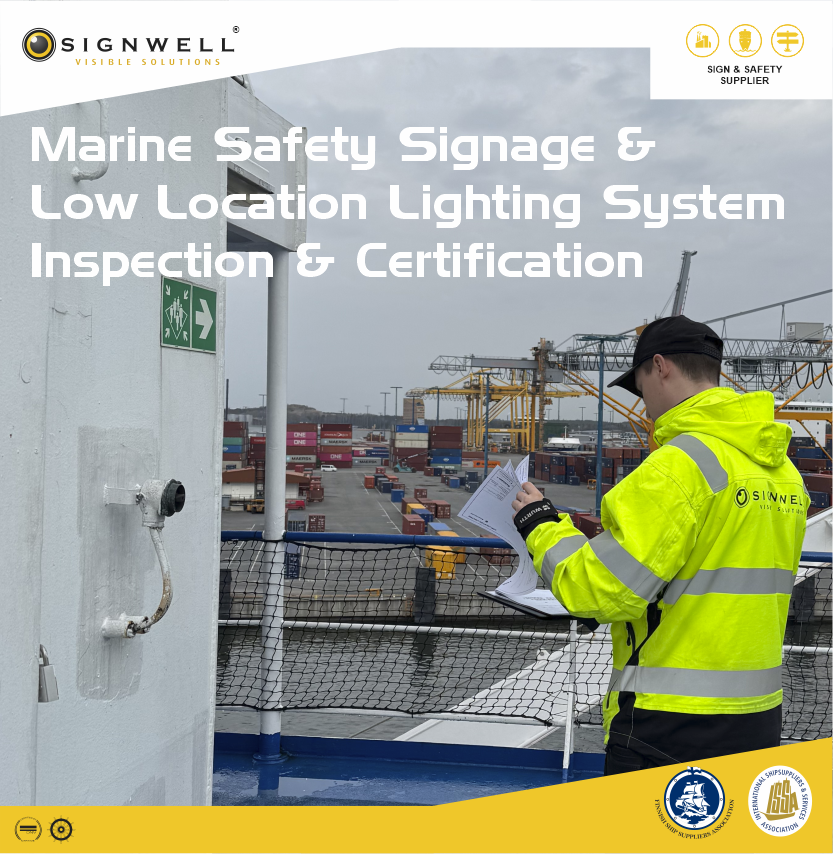
Maintenance protocols for photoluminescent signs are minimal compared to electrical systems. Regular cleaning maintains optimal light absorption, while periodic inspections verify sign condition and positioning. Our DNV-certified inspectors perform 3L-SI™ inspections to ensure continued compliance with safety standards and optimal performance.
Proper installation creates a comprehensive wayfinding system that guides occupants safely to exits during any emergency scenario, providing peace of mind and regulatory compliance for facility managers.
Photoluminescent emergency signage represents a significant advancement in evacuation safety technology. By eliminating dependence on electrical power and batteries, these systems provide reliable guidance when traditional solutions fail. The combination of superior performance, minimal maintenance requirements, and regulatory compliance makes glow-in-the-dark signage an essential component of modern emergency preparedness strategies.
For vessels and facilities seeking a reliable, regulation-compliant escape route guidance solution, explore Signwell’s Low Location Lighting systems and find the right photoluminescent system for your environment.
This content was generated with the help of AI and it may contain mistakes