What Is Glow in the Dark Signage? Complete Guide
14.05.2026
When the lights go out during an emergency, traditional signage becomes invisible. This critical moment is precisely when people need clear guidance most. Glow-in-the-dark signage solves this life-threatening problem by providing reliable visibility without any power source, making it an essential safety component across marine, industrial, and commercial environments.
Understanding photoluminescent technology helps you make informed decisions about safety systems that could save lives. This guide explores how glow-in-the-dark signage works, its various applications, key benefits, and selection criteria to ensure you choose the right solution for your specific needs.
What is glow-in-the-dark signage technology?
Glow-in-the-dark signage relies on photoluminescent technology, a process in which special materials absorb light energy and slowly release it as visible illumination. The science centres on phosphorescent materials, typically strontium aluminate compounds, which contain electrons that become excited when exposed to light sources.
During the charging phase, these materials absorb photons from ambient light, artificial lighting, or even brief exposure to flashlights. The absorbed energy elevates electrons to higher energy states, creating what scientists call “excited states.” Unlike fluorescent materials that release energy immediately, phosphorescent materials trap this energy and release it gradually over extended periods.
The light emission process occurs as excited electrons slowly return to their ground state, releasing photons that create the characteristic green or blue glow. Modern photoluminescent materials can maintain visible illumination for 10 to 12 hours after just 15 minutes of charging, with peak brightness occurring within the initial few hours.
The charging mechanism is remarkably simple and automatic. Any light source with sufficient intensity can charge these materials, including fluorescent lights, LEDs, natural daylight, or emergency lighting. This passive charging system ensures the signage remains ready without maintenance or external power requirements.
Types and applications of photoluminescent signage systems
Emergency exit signs represent the most common application of glow-in-the-dark signage. These critical markers guide people towards emergency exits when normal lighting fails, meeting international safety standards for visibility duration and brightness levels.
Evacuation route markers create continuous pathways from any location to designated assembly points. These include directional arrows, distance markers, and obstacle warnings that form comprehensive wayfinding systems throughout buildings and vessels.
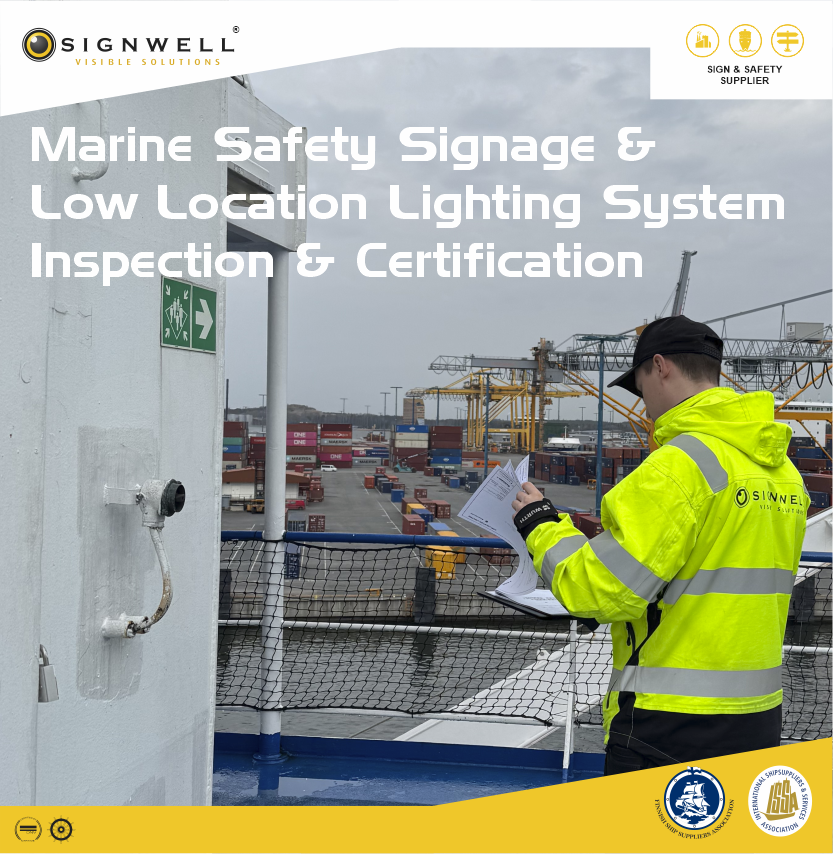
Marine environments utilise specialised IMO signs that comply with SOLAS regulations. These include lifeboat location markers, muster station identifiers, fire equipment indicators, and safety instruction panels that remain visible during power outages at sea.
Industrial process markings help workers identify critical systems, hazardous areas, and emergency equipment in manufacturing facilities. Pipe marking systems, valve identifiers, and safety zone boundaries maintain visibility during emergencies or maintenance blackouts.
Low-location lighting systems provide continuous illumination along evacuation routes at floor level. These systems include photoluminescent strips, step markers, and handrail guidance that help people navigate in smoke-filled or dark environments where ceiling-mounted signs might be obscured.
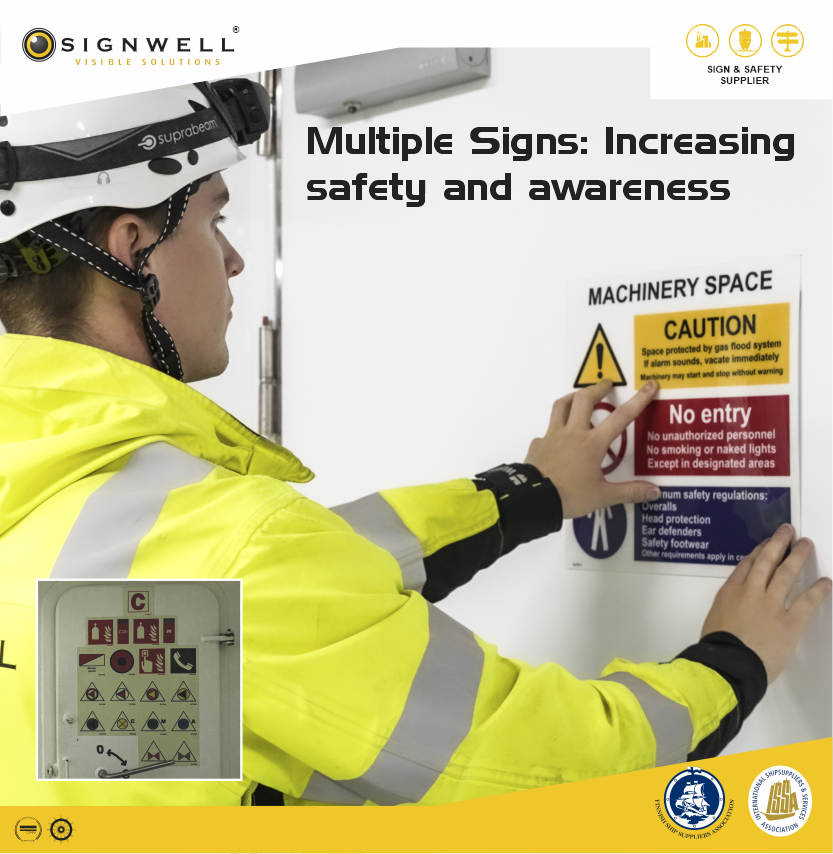
Safety instruction signs display crucial information about emergency procedures, equipment operation, or hazard warnings. These applications ensure vital safety information remains accessible regardless of lighting conditions.
Key benefits of glow-in-the-dark signage
Power-independent operation eliminates reliance on electrical systems that frequently fail during emergencies. This autonomous functionality ensures safety signage remains visible when people need it most, regardless of power outages, electrical faults, or battery failures.
Cost-effectiveness extends beyond the initial purchase price to include long-term operational savings. These systems require no ongoing electricity costs, battery replacements, or complex maintenance schedules, making them economically attractive over their operational lifetime.
Reliability during emergencies surpasses traditional illuminated signs because photoluminescent materials cannot fail like electrical components. The absence of bulbs, wiring, or electronic components eliminates common failure points that compromise safety systems.
Environmental sustainability comes from the absence of energy consumption and the use of non-toxic, recyclable materials. Many modern photoluminescent materials are manufactured without harmful chemicals and maintain their properties for decades without degradation.
Long lifespan characteristics include resistance to temperature extremes, humidity, and UV exposure. Quality photoluminescent materials maintain their charging and emission properties for over 25 years under normal operating conditions.
Superior visibility in low-light conditions often exceeds that of traditional illuminated signs because the human eye adapts to darkness and becomes more sensitive to the specific wavelengths emitted by photoluminescent materials.
How to choose the right photoluminescent signage
Brightness levels must meet specific regulatory requirements for your application. Marine environments typically require higher luminance levels than commercial buildings, while industrial settings may need specialised brightness characteristics for different viewing distances.
Charging requirements vary based on ambient light availability. Areas with limited natural or artificial light may need materials with enhanced charging sensitivity or supplementary charging systems to maintain adequate performance.
Durability standards should match your environmental conditions. Consider temperature ranges, humidity levels, chemical exposure, and physical stress when selecting materials and mounting systems.
Environmental resistance includes UV stability, moisture protection, and chemical compatibility. Marine applications require salt-spray resistance, while industrial settings may need protection against specific chemicals or extreme temperatures.
Compliance with safety regulations forms the foundation of proper selection. ISO standards, SOLAS requirements, and IMO resolutions specify minimum performance criteria that must be met for legal compliance and effective safety protection.
Material quality affects both performance and longevity. Premium photoluminescent materials maintain consistent brightness levels and charging characteristics throughout their operational life, while inferior materials may fade or lose effectiveness over time.
Application-specific considerations include viewing distances, mounting methods, size requirements, and integration with existing safety systems. We help clients evaluate these factors to ensure optimal performance in their specific operational environments.
Choosing the right glow-in-the-dark signage system requires balancing performance requirements with environmental conditions and regulatory compliance. Understanding these principles helps you implement safety systems that provide reliable protection when traditional lighting fails, potentially saving lives in critical situations.
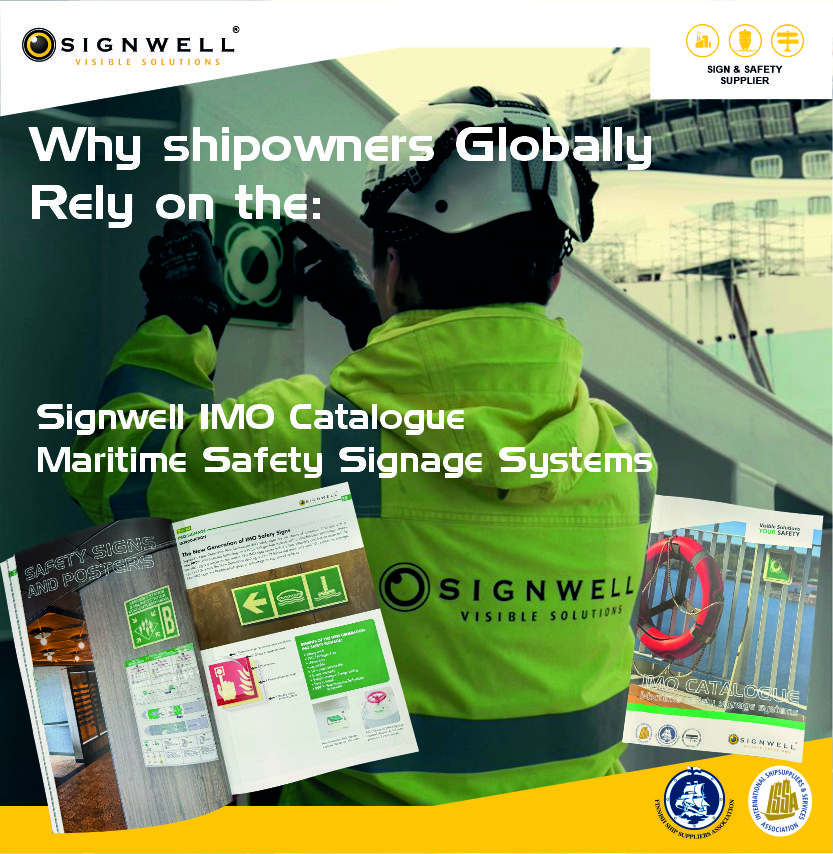
Looking for photoluminescent signage that meets marine safety requirements? Explore Signwell’s IMO signs and find suitable safety signage for maritime environments.
This content was generated with the help of AI and it may contain mistakes