Where to Find High-Quality IMO Signs for Ships
17.02.2026
Finding the right IMO signs for your vessel isn’t just about ticking compliance boxes. When lives depend on clear, reliable safety signage during emergencies, the quality of your IMO signs becomes absolutely critical. Poor signage can lead to confusion, delayed evacuations, and serious safety incidents that could have been prevented.
Whether you’re outfitting a new vessel or replacing ageing signage, knowing where to source high-quality IMO signs and what standards to look for makes all the difference. We’ll walk you through the essential requirements, trusted suppliers, material specifications, and inspection protocols that ensure your vessel meets international maritime safety standards.
Why quality matters in IMO signs for maritime safety
The difference between standard and premium IMO signs becomes apparent when crews need them most. During emergencies, visibility and durability determine whether signage effectively guides personnel to safety or fails when conditions become challenging.
Substandard IMO signs often suffer from fading, cracking, or poor adhesion in marine environments. Salt spray, temperature fluctuations, and UV exposure quickly degrade inferior materials, leaving crews with illegible or missing safety information. This deterioration doesn’t just create compliance issues during inspections; it compromises the entire emergency response system.
Quality IMO signs maintain their visibility and structural integrity throughout their service life. Premium materials resist environmental degradation while photoluminescent properties remain consistent, ensuring evacuation routes stay clearly marked even during power failures. The investment in quality signage pays dividends through reduced replacement costs and enhanced crew safety.
Maritime authorities are increasingly scrutinising signage quality during vessel inspections. Signs that show premature wear, poor visibility, or non-compliance with current standards can result in detention, costly delays, and mandatory replacements under time pressure.
Essential IMO sign standards and certifications to verify
Legitimate IMO sign suppliers must comply with specific international standards that govern maritime safety signage. IMO RESOLUTION A.752(18) establishes the primary requirements for symbols, colours, and performance characteristics of safety signs aboard ships.
SOLAS (Safety of Life at Sea) requirements mandate that emergency escape route signs maintain visibility for specified periods after power failure. This regulation drives the photoluminescent performance standards that quality suppliers must meet through independent testing and certification.
ISO standards provide additional technical specifications for sign materials and construction. ISO 15370:2021 covers photoluminescent safety products, while other ISO standards address durability, weather resistance, and colour consistency requirements.
When evaluating suppliers, verify that they provide proper certification documentation. Reputable manufacturers offer test certificates from recognised marine classification societies, showing their products meet or exceed required performance levels. We ensure our IMO signs comply with all relevant standards and provide comprehensive documentation to support vessel inspections.
Look for suppliers who actively participate in standards development and maintain current certifications. Standards evolve, and suppliers committed to compliance invest in ongoing testing and product development to meet changing requirements.
Where to source certified IMO signs for commercial vessels
Specialised marine safety equipment manufacturers represent the most reliable source for certified IMO signs. These companies focus exclusively on maritime applications and understand the unique environmental challenges vessels face. They typically offer comprehensive product ranges covering all required signage types.
Authorised distributors provide another pathway to quality IMO signs, particularly in regions where direct manufacturer access is limited. However, verify that distributors maintain proper storage conditions and handle products according to manufacturer specifications to preserve quality.
When selecting suppliers, evaluate their industry experience and certification credentials. Established suppliers often maintain relationships with classification societies and understand inspection requirements across different maritime jurisdictions.
Consider suppliers who offer complete signage solutions rather than individual products. Comprehensive suppliers can ensure consistency across your entire signage system and provide technical support for installation and maintenance requirements.
Geographic proximity matters for ongoing support and emergency replacements. While global suppliers can serve initial installation needs, local representation helps with maintenance, inspections, and urgent replacement situations.
What to look for in premium IMO sign materials and construction
Premium IMO signs utilise advanced materials that outperform basic compliance requirements. PVC-free and halogen-free materials offer superior environmental performance and reduced toxicity during fire situations, exceeding minimum safety standards.
UV resistance determines how well signs maintain visibility and colour accuracy over time. Quality materials incorporate UV stabilisers that prevent degradation from constant sun exposure, particularly important for exterior signage and bridge areas with extensive glazing.
Temperature tolerance specifications reveal material quality and suitability for different vessel operating areas. Premium signs function reliably across extreme temperature ranges, from engine room heat to arctic conditions, without losing adhesion or readability.
Construction features distinguish quality products from basic alternatives. Look for signs with reinforced mounting systems, sealed edges that prevent moisture ingress, and layered construction that maintains integrity even if surface damage occurs.
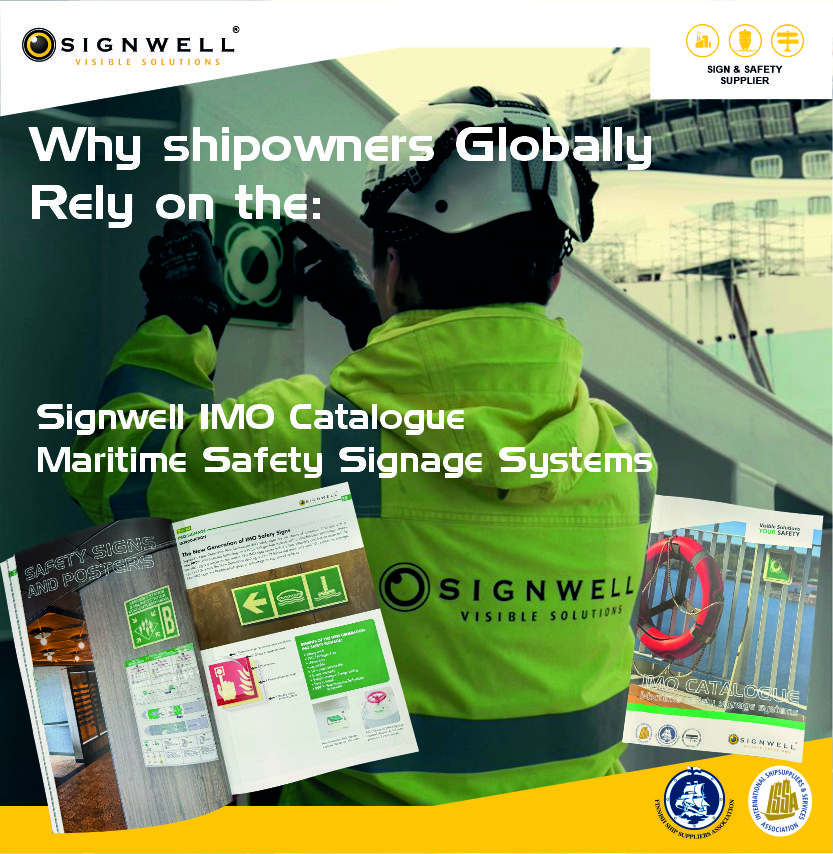
Photoluminescent performance varies significantly between suppliers. Premium materials maintain brightness longer and recharge more efficiently, ensuring visibility throughout extended emergency situations. Our New Generation IMO signs exceed standard requirements by four times, providing superior emergency visibility.
How to ensure your IMO signs meet inspection requirements
Proper documentation forms the foundation of successful IMO sign inspections. Maintain certificates, installation records, and maintenance logs that demonstrate ongoing compliance with applicable standards. Inspectors expect complete documentation trails showing product specifications and installation dates.
Regular condition assessments help identify signs requiring replacement before formal inspections. Systematic monitoring programmes track sign condition, photoluminescent performance, and mounting integrity to prevent inspection failures.
Verification processes should include photoluminescent testing using appropriate equipment. Simple light meters can assess whether signs maintain required brightness levels after specified charging and decay periods.
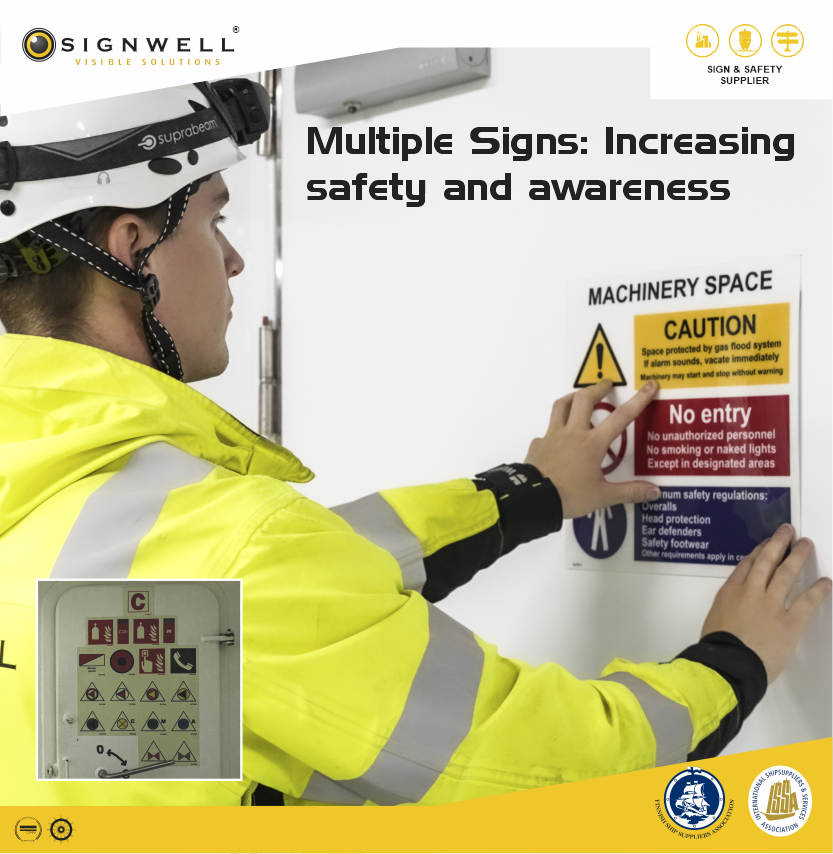
Installation quality significantly impacts inspection outcomes. Signs must be mounted according to manufacturer specifications, positioned for optimal visibility, and integrated properly with overall emergency systems. Poor installation can render quality signs ineffective during inspections.
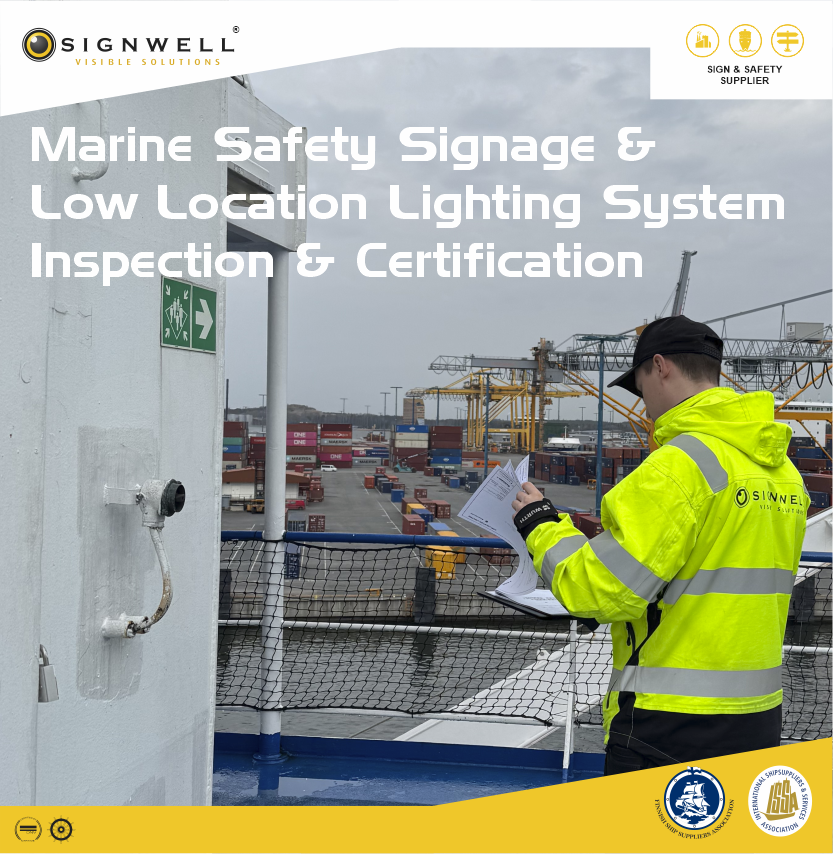
Working with certified inspection services provides additional assurance of compliance. Our DNV-certified inspectors perform comprehensive assessments that identify potential issues before official maritime authority inspections, helping vessel operators maintain continuous compliance.
Investing in quality IMO signs from reputable suppliers ensures your vessel meets safety requirements while protecting crew welfare. The combination of proper materials, certified compliance, and professional installation creates reliable safety systems that perform when needed most.