IMO Sign Installation: 5 Steps to Perfect Placement
24.02.2026
Proper IMO sign installation aboard vessels and offshore platforms requires meticulous attention to detail and strict adherence to international maritime safety standards. Even minor placement errors can compromise emergency response procedures and put crew members’ lives at risk during critical situations.
The installation process involves understanding complex regulatory requirements, preparing surfaces for marine environments, and ensuring long-term durability in harsh conditions. We have developed a comprehensive approach that ensures every IMO sign meets international standards while providing maximum visibility when it matters most.
This guide walks you through the complete installation process, from initial planning through final compliance verification, helping you achieve professional results that stand the test of time in demanding marine environments.
Understanding IMO sign placement requirements
The International Maritime Organization establishes strict guidelines for IMO sign placement through SOLAS regulations and IMO Resolution A.752(18). These standards define specific positioning requirements that vary depending on vessel type, sign function, and location aboard the ship.
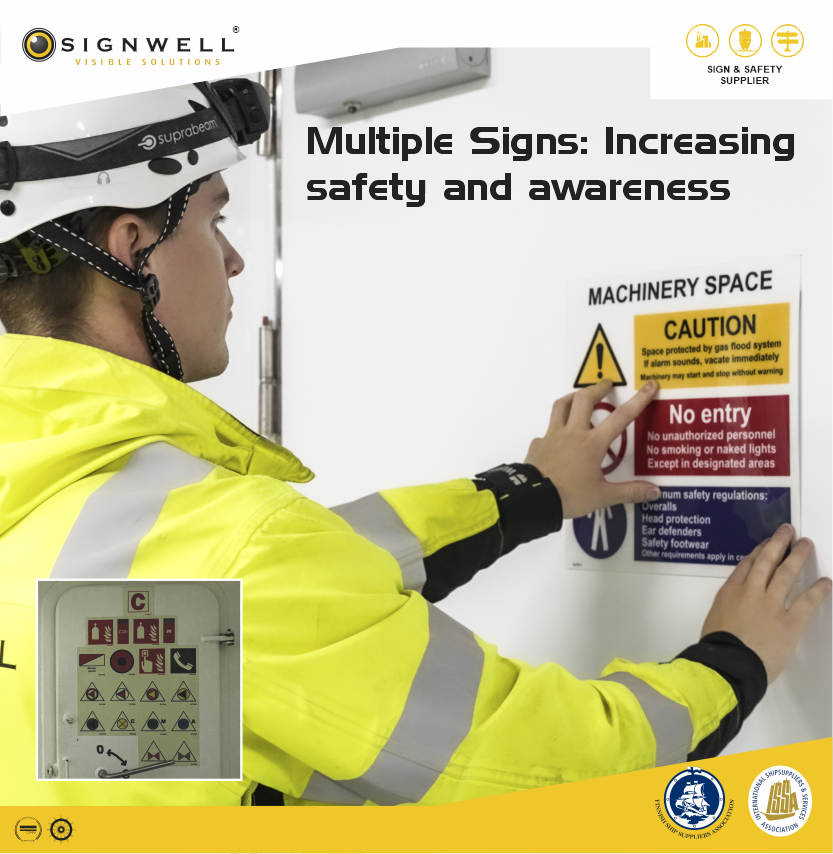
Emergency exit signs must be positioned at eye level, typically between 1.5 and 2.0 metres above deck level, ensuring visibility even when corridors fill with smoke. Assembly station markers must be placed at decision points where crew members might become confused during emergency situations.
Fire safety equipment signs must be positioned within the direct sight lines of the equipment they identify, with maximum viewing distances specified for different sign categories. Escape route markers must follow continuous pathways, with spacing intervals that maintain visual connection throughout the evacuation route.
Mandatory placement zones include all accommodation areas, machinery spaces, cargo holds, and outdoor deck areas. Each zone has specific visibility requirements that account for lighting conditions, potential obstructions, and emergency scenarios unique to that space.
Essential tools and materials preparation
Professional IMO sign installation requires specialised tools designed for marine environments. Surface preparation begins with industrial-grade cleaning solvents that remove salt deposits, oil residues, and existing adhesive materials without damaging underlying surfaces.
Measurement tools include laser levels for precise horizontal alignment, measuring tapes with corrosion-resistant markings, and chalk lines for marking installation positions. Digital callipers help ensure consistent spacing between multiple signs in series installations.
Mounting hardware varies by surface material and environmental exposure. Stainless steel fasteners resist corrosion in saltwater environments, while marine-grade adhesives provide reliable bonding on smooth surfaces. Backing plates distribute load forces across larger surface areas when installing on thin materials.
Safety equipment protects installers during the process. Non-slip footwear, safety harnesses for elevated work, and protective eyewear help prevent accidents in challenging shipboard environments. Ventilation equipment becomes essential when working with solvents in enclosed spaces.
Surface preparation and measurement techniques
Surface preparation determines long-term installation success in marine environments. Steel surfaces require thorough degreasing followed by light abrasion to improve adhesive bonding. Remove all rust, paint chips, and corrosion products that could compromise adhesion over time.
Aluminium surfaces need different treatment approaches. Clean with appropriate solvents that will not leave residues, then create a slight surface texture using fine-grit abrasive pads. Avoid aggressive abrasion that could create galvanic corrosion sites in saltwater environments.
Fibreglass surfaces demand gentle cleaning techniques that preserve gelcoat integrity. Use mild detergents followed by solvent wipes, ensuring complete removal of wax, polish, or other surface treatments that prevent proper adhesive bonding.
Measurement techniques ensure consistent positioning across the entire vessel. Establish reference lines using permanent deck features or structural elements. Create templates for repetitive installations, maintaining consistent heights and spacing throughout similar areas.
Environmental factors affect measurement accuracy. Temperature variations cause material expansion that can alter spacing calculations. Humidity levels influence adhesive cure times and working periods during installation.
Professional installation and mounting methods
Installation begins with precise positioning using temporary mounting methods. Tape signs in place temporarily, checking alignment from multiple viewing angles before committing to permanent attachment. Verify that positioning meets regulatory requirements and provides optimal visibility.
Adhesive application requires controlled environmental conditions. Work within the temperature ranges specified by adhesive manufacturers, typically between 10°C and 30°C for optimal bonding. Apply adhesive evenly across the entire back surface, avoiding air bubbles that create weak points.
Mechanical fastening provides additional security in high-vibration areas. Pre-drill holes using appropriate bit sizes for the fastener threads. Use backing plates when fastening through thin materials, distributing loads to prevent stress concentrations.
Quality control during installation involves checking each sign for proper adhesion, alignment, and regulatory compliance. Document installation positions for future reference and maintenance planning. Photograph completed installations, showing proper positioning and the surrounding context.
Quality inspection and compliance verification
Final inspection protocols verify that every aspect of the installation meets international standards. Check sign positioning against regulatory requirements, measuring heights, viewing angles, and spacing intervals. Verify that all signs remain visible under various lighting conditions.
Compliance verification involves systematic documentation of installation positions, materials used, and adherence to applicable standards. Create detailed records showing sign locations, installation dates, and responsible personnel for future reference.
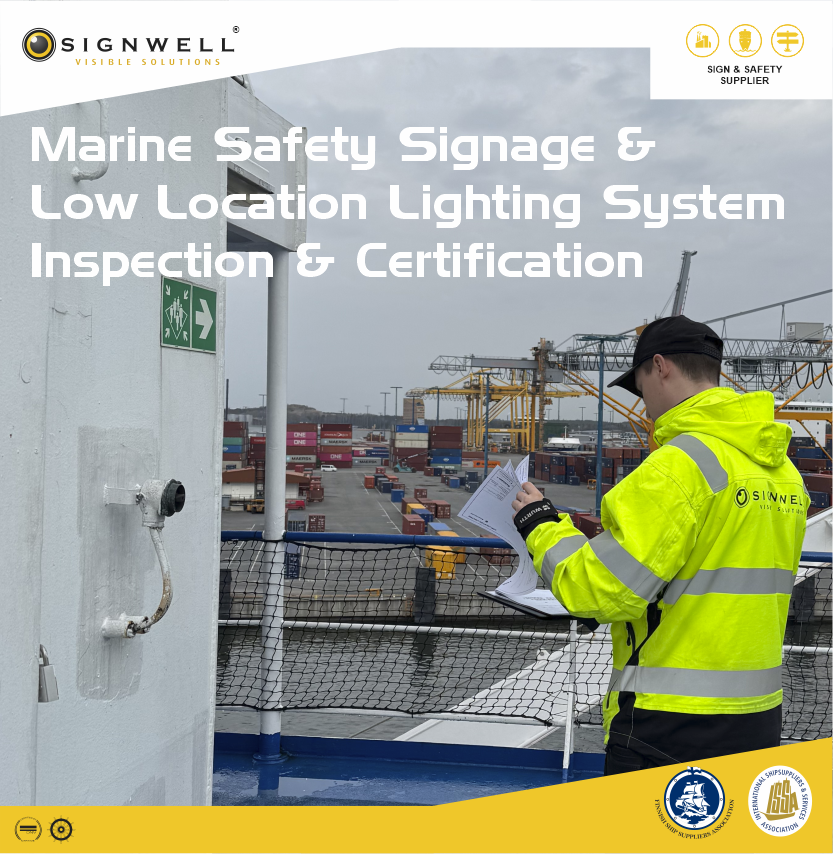
DNV certification processes provide independent verification of installation quality and compliance. We conduct comprehensive 3L-SI™ inspections that verify system performance and regulatory adherence throughout the vessel.
Maintenance recommendations ensure long-term performance in marine environments. Regular cleaning schedules remove salt deposits and contamination that could affect visibility. Periodic adhesion checks identify signs requiring attention before failure occurs.
Performance monitoring tracks sign condition over time, identifying patterns that inform future installation improvements. Document any issues encountered, solutions implemented, and lessons learned for continuous improvement of installation procedures.
Professional IMO sign installation demands attention to detail, proper preparation, and a thorough understanding of maritime safety requirements. Following these systematic procedures ensures installations that protect lives while meeting international compliance standards. Regular maintenance and monitoring preserve installation integrity throughout the vessel’s operational life.