Low Location Lighting Installation: Complete Guide
12.03.2026
Installing low-location lighting systems requires careful planning, technical expertise, and adherence to strict safety standards. These critical safety systems guide people to safety during emergencies when traditional overhead lighting may be compromised by smoke or power failures. Whether you’re working with photoluminescent or electric systems, proper installation ensures reliable performance when lives depend on it.
We’ll walk you through the complete installation process, from understanding system requirements to ongoing maintenance. This guide covers both photoluminescent and electric low-location lighting systems, helping you navigate regulatory compliance while achieving optimal safety performance for maritime and industrial applications.
Understanding low-location lighting system requirements
Low-location lighting systems fall into two main categories, each with distinct characteristics and applications. Photoluminescent systems store ambient light energy and emit it in darkness, requiring no external power source. These systems excel in environments where electrical infrastructure is limited or where maintenance access is challenging.
Electric systems provide consistent illumination through LED technology, offering reliable performance across extended distances. Our 3L-EP™ electric systems can illuminate continuous pathways up to 1,000 metres, making them ideal for large vessels and industrial facilities.
Regulatory compliance forms the foundation of any installation. IMO Resolution A.752(18) governs maritime applications, while SOLAS requirements ensure international vessel compliance. ISO 15370:2021 provides technical specifications for system performance and installation standards.
Different vessel types require tailored approaches. Passenger ships demand higher luminance levels and more frequent spacing intervals than cargo vessels. Offshore platforms face unique challenges with harsh environmental conditions, requiring systems rated for extreme temperatures and corrosive atmospheres.
Pre-installation planning and site assessment
Thorough site assessment prevents costly installation errors and ensures optimal system performance. Begin by mapping all escape routes, identifying primary and secondary evacuation paths. Document existing safety systems, including fire detection, sprinkler systems, and emergency lighting, to ensure seamless integration.
Environmental factors significantly impact system selection and installation methods. Temperature ranges, humidity levels, and potential chemical exposure all influence material choices and mounting techniques. Marine environments require particular attention to salt-spray resistance and protection against UV degradation.
Power supply considerations are critical for electric systems. Assess available electrical capacity, backup power integration, and cable-routing paths. Consider emergency power switching sequences to ensure the system activates during power failures.
Create detailed installation drawings showing mounting locations, spacing intervals, and connection points. These drawings serve as installation guides and provide essential documentation for regulatory inspections and future maintenance activities.
Step-by-step LLL installation process
Installation procedures vary significantly between photoluminescent and electric systems. For photoluminescent installations, surface preparation is paramount. Clean all mounting surfaces thoroughly, removing any contaminants that could compromise adhesive bonding or mechanical fastening.
Mount photoluminescent strips at the specified height, typically 300 mm above deck level for maritime applications. Maintain consistent spacing intervals according to regulatory requirements, usually every 10 metres along escape routes. Ensure proper alignment using string lines or laser levels for a professional appearance and optimal performance.
Electric system installation requires additional electrical work. Route cables through approved pathways, maintaining proper separation from power cables to prevent interference. Use marine-grade connectors and junction boxes rated for the installation environment.
Connection protocols must follow manufacturer specifications exactly. Improper connections can cause system failures during emergencies, potentially compromising evacuation procedures. Test each connection before proceeding to the next installation section.
Pay special attention to corner transitions and stairway installations. These areas require custom cutting and fitting to maintain continuous light paths without gaps or overlaps that could confuse evacuees.
Testing and commissioning your lighting system
Comprehensive testing validates system performance before final acceptance. Begin with visual inspections, checking mounting security, alignment consistency, and overall installation quality. Document any deficiencies for correction before performance testing.
Performance testing procedures differ between system types. Photoluminescent systems require charging periods followed by luminance measurements at specified intervals. Electric systems need voltage verification, current-draw testing, and illumination-level measurements along the entire installation length.
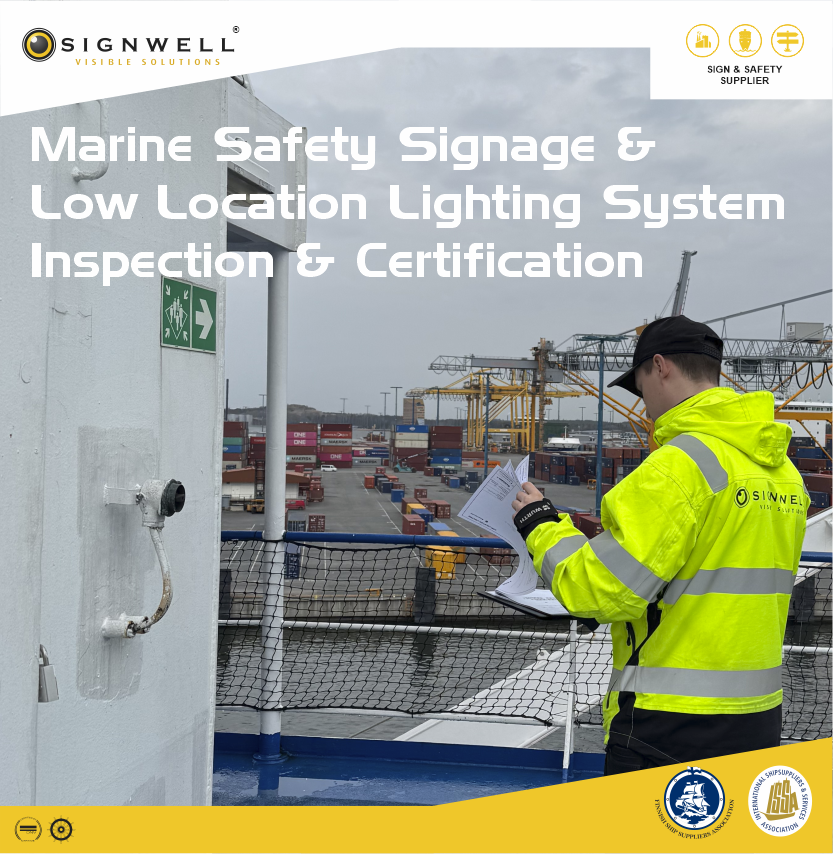
DNV certification processes ensure international compliance for maritime installations. Our DNV-certified inspectors conduct thorough 3L-SI™ inspections, verifying system performance against applicable standards. This certification provides essential documentation for vessel operators and regulatory authorities.
Documentation requirements include installation certificates, test results, and maintenance schedules. Maintain complete records for regulatory inspections and warranty purposes. These documents also guide future maintenance activities and system modifications.
Maintenance and troubleshooting best practices
Regular maintenance ensures long-term system reliability and regulatory compliance. Establish inspection schedules based on system type and environmental conditions. Maritime installations typically require monthly visual inspections with detailed annual assessments.
Cleaning procedures vary by system type and environmental exposure. Use mild detergents and soft cloths to avoid surface damage. Avoid harsh chemicals that could degrade photoluminescent materials or damage LED components.
Component replacement becomes necessary over time, particularly in harsh environments. Stock critical spare parts, including LED modules, power supplies, and mounting hardware. Plan replacement schedules based on manufacturer recommendations and actual performance monitoring.
Common troubleshooting issues include reduced luminance output, electrical connection problems, and physical damage from impact or vibration. Address issues promptly to maintain system effectiveness and regulatory compliance.
Performance-optimization strategies include regular luminance testing, electrical system monitoring, and proactive component replacement. These practices extend system life while ensuring reliable emergency performance when needed most.
Proper low-location lighting installation requires technical expertise, regulatory knowledge, and attention to detail. Following these guidelines ensures your system provides reliable emergency guidance while meeting all applicable safety standards for years of dependable service.