How do you use evacuation signs effectively?
24.12.2025
Using an evacuation sign effectively requires proper placement, clear visibility, and regular maintenance to guide people safely during emergencies. The most effective evacuation signs combine standardised symbols with high-contrast colours and photoluminescent properties that remain visible even when power fails. Strategic positioning along escape routes, combined with compliance with safety standards, ensures these critical safety devices perform when lives depend on them.
What makes evacuation signs effective in emergency situations?
Effective evacuation signs combine high-visibility design with universally recognised symbols that work regardless of lighting conditions. The most critical factor is photoluminescent technology, which absorbs ambient light and glows in darkness for several hours after a power failure. This ensures continuous guidance when people need it most.
Standardised symbols eliminate language barriers and reduce confusion during high-stress situations. The familiar running figure and directional arrows provide instant recognition, even when people are panicked or disoriented. Green backgrounds with white symbols follow international conventions, creating a consistent visual language across different buildings and countries.
Psychological factors play a crucial role in effectiveness. During emergencies, people experience tunnel vision and reduced cognitive function. Evacuation signs must be large enough and bright enough to penetrate this stress response. High-contrast colours and simple, bold graphics help overcome the natural tendency to freeze or become confused when facing danger.
The positioning and mounting of signs affect their psychological impact. Signs placed at eye level with adequate spacing create a visual pathway that naturally guides movement. When properly designed and positioned, evacuation signs become intuitive navigation tools that work even when occupants have never been in the building before.
Where should evacuation signs be placed for maximum visibility?
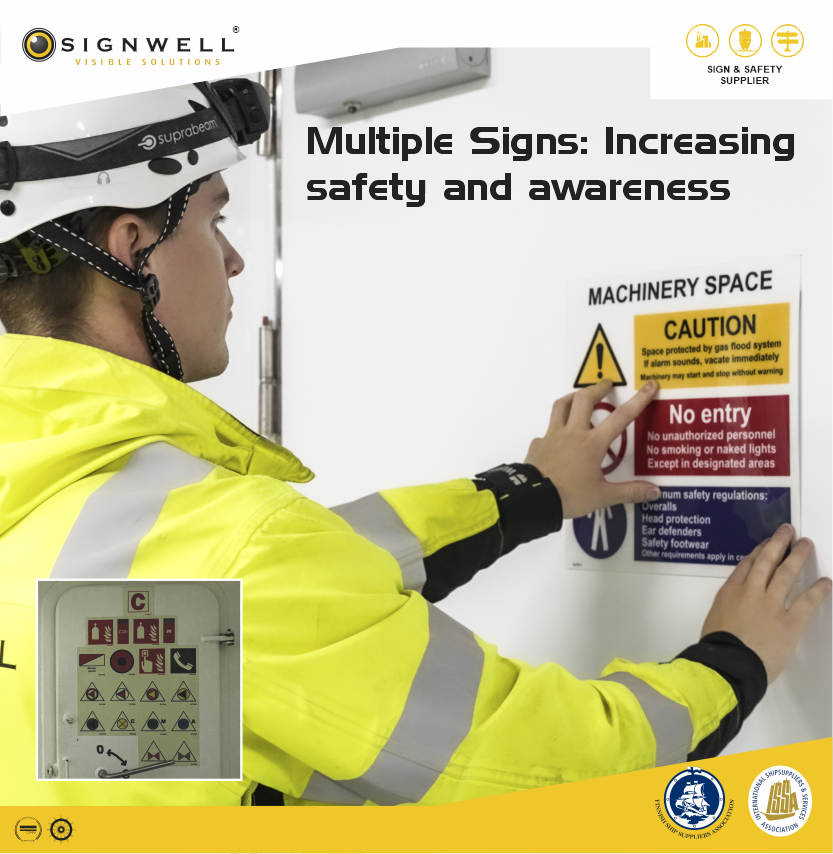
Strategic placement requires positioning evacuation signs at decision points where people need directional guidance, typically every 15–20 metres along escape routes. Mount signs at eye level, approximately 2–2.5 metres from the floor, ensuring they remain visible above crowds and potential obstacles like furniture or equipment.
Corridor positioning demands careful attention to viewing angles. Place signs on both sides of wide corridors and at every change of direction. Corners and intersections are critical locations where people naturally pause to assess their options. Installing signs before and after these decision points creates redundancy that prevents confusion.
Different building types require adapted strategies. In industrial settings, mount signs higher to clear machinery and storage. Marine environments need additional considerations for movement in rolling conditions and potential water ingress. Office buildings benefit from signs positioned above doorways and at lift lobbies where people naturally gather.
Lighting conditions significantly impact placement effectiveness. Areas with potential shadow zones need additional signs or alternative positioning. Emergency lighting should complement evacuation signage, but signs must remain effective even if emergency lighting fails. Consider natural light sources and how they change throughout the day when determining optimal positions.
How do you ensure evacuation signs meet safety compliance standards?
Compliance verification begins with understanding applicable standards for your specific environment. ISO 3864 and ISO 17398 provide international guidelines for safety signs, while marine environments must meet IMO Resolution A.752(18) requirements. Local building codes often add additional requirements that supersede international standards.
Documentation requirements include maintaining records of sign specifications, installation dates, and inspection results. Compliance officers need evidence that signs meet photoluminescent performance standards, size requirements, and placement criteria. Regular photometric testing ensures signs maintain required luminance levels over time.
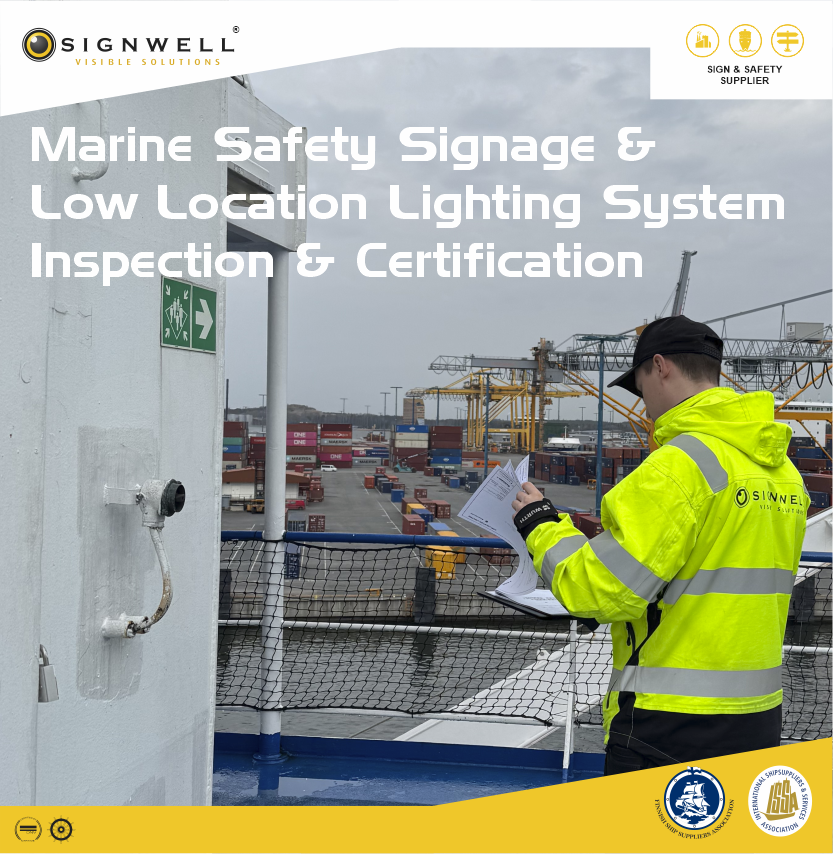
Professional inspection schedules vary by jurisdiction but typically require annual reviews by certified safety professionals. These inspections verify that signs remain visible, undamaged, and positioned correctly. Any modifications to the building layout may trigger additional compliance reviews to ensure continued effectiveness.
Material specifications must meet fire safety and durability standards. Signs in marine environments require additional certifications for moisture resistance and UV stability. We work with clients to ensure all evacuation signage meets or exceeds relevant standards while maintaining optimal performance characteristics.
What maintenance do evacuation signs require to stay effective?
Regular maintenance begins with monthly visual inspections checking for damage, obstruction, or reduced visibility. Clean signs using mild detergent and a soft cloth, avoiding harsh chemicals that might damage photoluminescent coatings. Document all maintenance activities to demonstrate ongoing compliance with safety regulations.
Photoluminescent properties require specific testing protocols. Charge signs with standard lighting for at least 60 minutes, then measure luminance levels in darkness. Signs that fail to meet minimum brightness standards need immediate replacement. This testing should occur quarterly in critical areas and annually for general installations.
Replacement indicators include physical damage, fading colours, or reduced photoluminescent performance. Environmental factors like UV exposure, humidity, and temperature fluctuations affect sign longevity. Marine environments typically require more frequent replacement due to harsh conditions and salt air exposure.
Record-keeping systems should track installation dates, maintenance activities, and performance test results. Safety audits require comprehensive documentation proving signs remain effective throughout their service life. Establish clear procedures for emergency replacement and maintain a spare inventory of critical signs to minimise downtime during maintenance activities.
Effective evacuation sign implementation combines proper selection, strategic placement, and ongoing maintenance to create reliable emergency guidance systems. Understanding compliance requirements and maintaining detailed records ensures your evacuation signs perform their critical safety function when needed most. Regular professional assessment helps identify potential improvements and maintains optimal emergency preparedness standards.