What is SOLAS safety equipment?
20.01.2026
SOLAS safety equipment refers to mandatory safety systems and devices required on commercial vessels under the International Convention for the Safety of Life at Sea. This equipment includes life-saving appliances, fire protection systems, navigation tools, emergency communication devices, and safety signage designed to protect crew and passengers during maritime emergencies. Understanding SOLAS requirements is essential for vessel compliance and safe operation at sea.
What is SOLAS safety equipment and why is it mandatory?
SOLAS safety equipment encompasses all safety devices, systems, and appliances required by the International Convention for the Safety of Life at Sea. This comprehensive framework mandates specific safety standards for commercial vessels to prevent maritime disasters and protect human life at sea.
The SOLAS convention emerged from the 1912 Titanic disaster and has evolved into the most important international treaty governing maritime safety. It applies to passenger ships, cargo vessels of 500 gross tonnage and above, and other commercial craft engaged in international voyages. The convention establishes minimum safety standards that all signatory nations must enforce.
These regulations exist because maritime environments present unique dangers where immediate rescue may be impossible. When emergencies occur at sea, vessels must be self-sufficient in protecting lives until external assistance arrives. The mandatory nature of SOLAS ensures consistent safety standards across international waters, regardless of a vessel’s flag state or operating location.
SOLAS requirements vary based on vessel type, size, passenger capacity, and operational area. Regular updates address technological advances and lessons learned from maritime incidents, ensuring the convention remains relevant to modern maritime safety challenges.
What types of safety equipment does SOLAS require on ships?
SOLAS mandates five primary categories of safety equipment: life-saving appliances, fire protection systems, navigation equipment, radio communications, and emergency signalling devices. Each category contains specific items with detailed performance standards and installation requirements.
Life-saving appliances include lifeboats, life rafts, lifejackets, immersion suits, and survival craft equipment. The quantity depends on vessel capacity and type. Passenger ships require sufficient equipment for 100% of persons on board, while cargo vessels need equipment for all crew members plus additional capacity.
Fire protection systems encompass detection equipment, alarm systems, fixed firefighting installations, portable extinguishers, and fire-resistant materials. Requirements vary significantly between passenger and cargo vessels, with stricter standards for ships carrying passengers.
Navigation equipment includes radar systems, GPS, electronic chart systems, gyrocompasses, and autopilots. Modern vessels must carry backup systems to ensure continuous navigation capability during equipment failures.
Radio communication systems provide distress alerting through the Global Maritime Distress and Safety System (GMDSS). Equipment requirements depend on the vessel’s operating area, from coastal waters to unlimited ocean voyages.
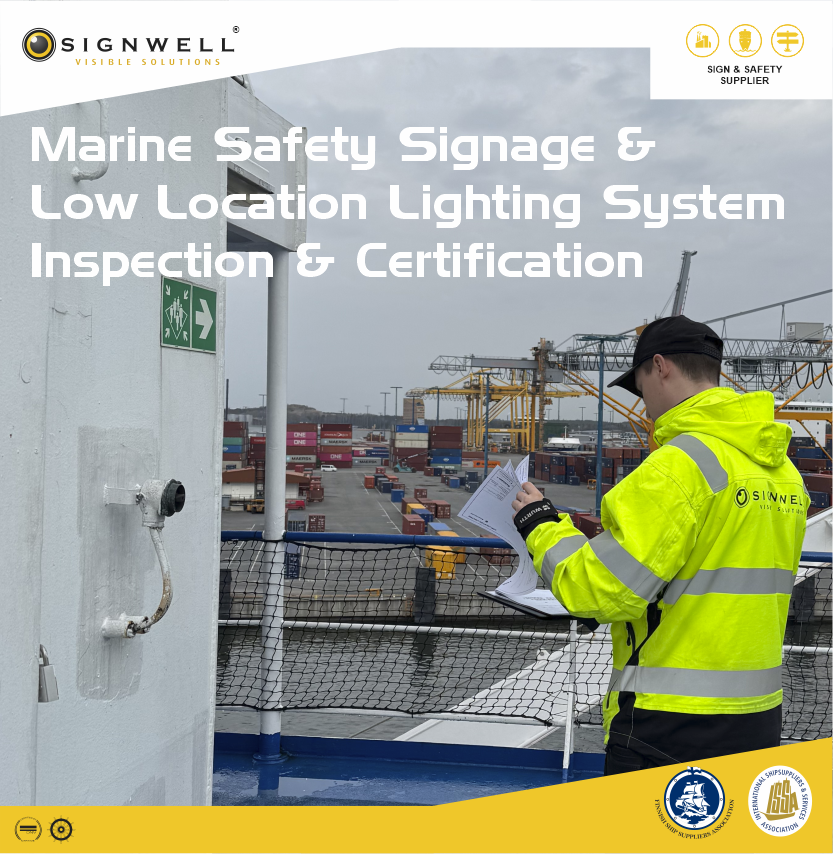
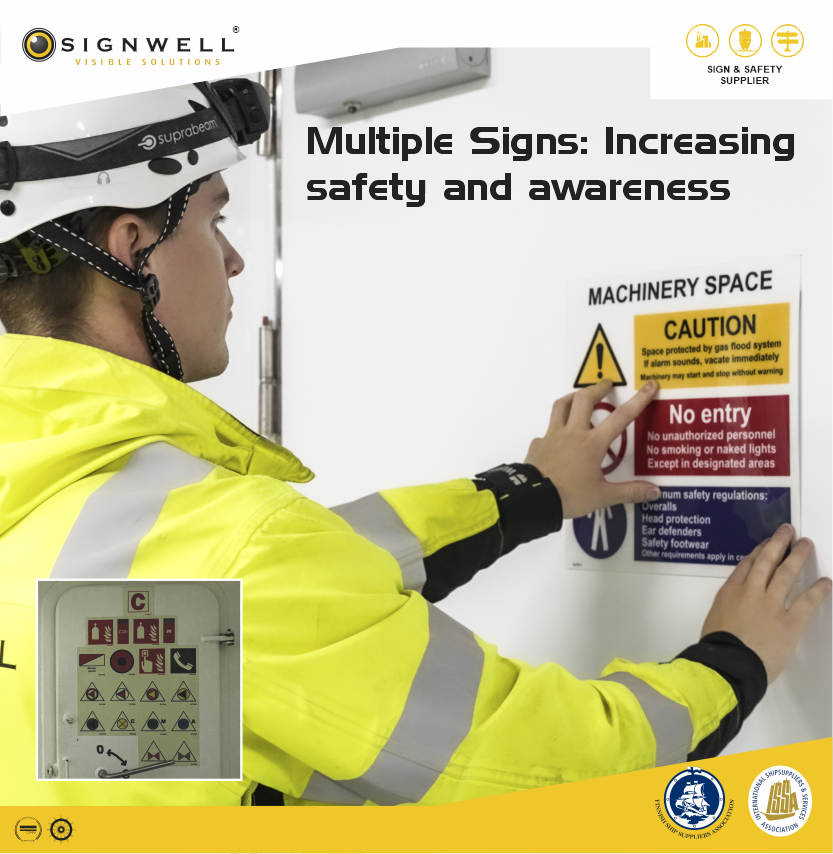
Emergency signalling includes IMO signs, escape route markings, muster station indicators, and photoluminescent guidance systems. These visual aids help crew and passengers navigate safely during emergencies, particularly in low-light conditions.
How do you ensure your vessel’s SOLAS safety equipment meets compliance standards?
Maintaining SOLAS compliance requires systematic equipment selection, regular inspections, proper certification, and thorough documentation. Work with certified suppliers who understand international maritime standards and can provide compliant equipment with proper certification.
Equipment selection must consider your vessel’s specific classification, operating area, and passenger capacity. Each piece of safety equipment requires type approval from recognised testing authorities and must display proper certification markings. Verify that suppliers provide equipment meeting current SOLAS amendments, as standards evolve regularly.
Inspection schedules follow strict timelines mandated by SOLAS and flag state requirements. Annual surveys check general equipment condition, while more detailed inspections occur every five years. Some equipment requires monthly or weekly testing, particularly life-saving and firefighting systems.
Documentation proves compliance during port state inspections and certification surveys. Maintain records of equipment specifications, installation certificates, inspection reports, maintenance logs, and crew training records. Missing documentation can result in vessel detention even when equipment functions properly.
Testing procedures must follow manufacturer guidelines and international standards. Many systems require professional servicing by certified technicians, while crew members handle routine checks. Establish clear procedures for equipment testing and ensure crew members understand their responsibilities for ongoing compliance.
What happens if a ship doesn’t have proper SOLAS safety equipment?
Vessels without proper SOLAS safety equipment face detention by port state authorities, significant financial penalties, insurance coverage issues, and, most critically, serious safety risks to everyone on board. Non-compliance can halt operations until deficiencies are corrected.
Port state control inspections can occur at any port worldwide, with inspectors having authority to detain vessels with safety deficiencies. Detention means the vessel cannot leave port until all problems are resolved, potentially costing thousands of pounds per day in port fees, crew costs, and delayed cargo delivery.
Legal penalties vary by jurisdiction but often include substantial fines for vessel operators and potential criminal charges for serious violations. Flag states may withdraw vessel certificates, effectively preventing legal operation until compliance is restored.
Insurance implications can be severe, as policies typically require SOLAS compliance. Insurers may refuse claims related to incidents involving non-compliant vessels, leaving operators financially exposed to massive liability claims.
Safety risks represent the most serious consequence, as inadequate equipment directly endangers lives during emergencies. Without proper life-saving appliances, fire protection, or emergency signalling systems, crew and passengers face significantly higher risks during maritime incidents.
Enforcement mechanisms include database sharing between maritime authorities, meaning violations in one port can trigger inspections elsewhere. This coordinated approach makes it virtually impossible to operate non-compliant vessels in international trade.
Understanding SOLAS safety equipment requirements protects both lives and business operations. Proper compliance ensures vessels can operate safely across international waters while meeting the rigorous standards that make modern maritime transport reliable. Investing in quality safety equipment and maintaining proper documentation creates a foundation for successful maritime operations that prioritise human safety above all other considerations.
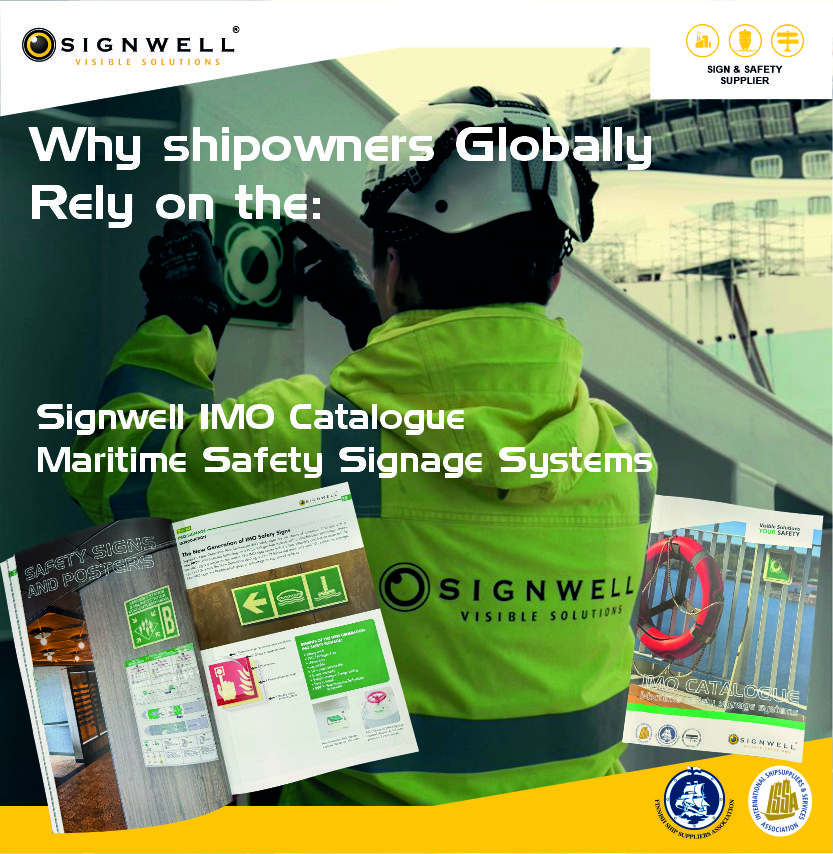
Looking for compliant safety signage for your vessel? Explore Signwell’s IMO signs and find suitable marine safety signs designed to meet international maritime requirements.
This content was generated with the help of AI and it may contain mistakes