Should you upgrade your IMO signs in 2026?
8.01.2026
Yes, you should consider upgrading your IMO signs in 2026 due to evolving regulatory standards and enhanced safety requirements. While specific new mandates may vary, ongoing improvements in materials, visibility standards, and compliance protocols make upgrading a strategic decision for vessel safety and regulatory adherence. Evaluating your current signage against upcoming requirements helps ensure continued compliance and optimal safety performance.
What new IMO sign requirements are coming in 2026?
The maritime industry continues to evolve with enhanced safety standards and updated compliance protocols for IMO signage systems. While specific regulatory changes develop through the IMO’s ongoing review processes, vessel operators should prepare for potential updates to visibility requirements, material specifications, and installation standards.
Current trends suggest an increased focus on photoluminescent technology and improved durability standards. These changes often emerge from lessons learned in maritime incidents and advances in safety technology. The IMO regularly reviews and updates its guidelines to reflect best practices in marine safety.
Staying ahead of regulatory changes requires monitoring IMO publications and industry bulletins. Many requirements are phased in gradually, giving vessel operators time to plan upgrades. However, early preparation ensures smooth compliance transitions and avoids last-minute installation pressures.
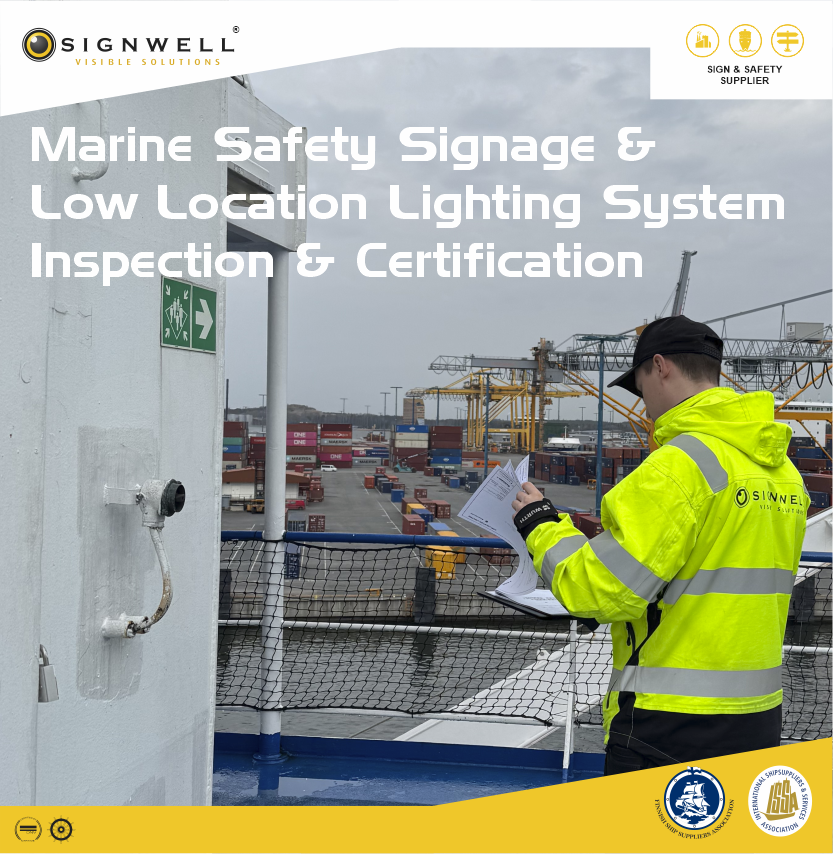
We recommend reviewing your current signage against the latest IMO Resolution A.752(18) standards and consulting with maritime safety professionals about potential upcoming changes. This proactive approach helps identify areas where upgrades might be beneficial, regardless of specific mandate timelines.
How do you know if your current IMO signs need upgrading?
Assess your current IMO signs by examining their age, visibility, material condition, and compliance with current standards. Signs older than 10–15 years often benefit from upgrading due to improved materials and enhanced safety features available in modern systems.
Physical inspection reveals key upgrade indicators. Look for fading, cracking, or peeling on sign surfaces. Check mounting hardware for corrosion or looseness. Photoluminescent signs should maintain bright visibility after light exposure. Poor charging or a dim glow indicates material degradation requiring replacement.
Regulatory compliance gaps often emerge during surveys or audits. If inspectors note deficiencies or recommend improvements, upgrading becomes essential. Modern IMO signs typically exceed minimum requirements, providing better safety margins and longer service life.
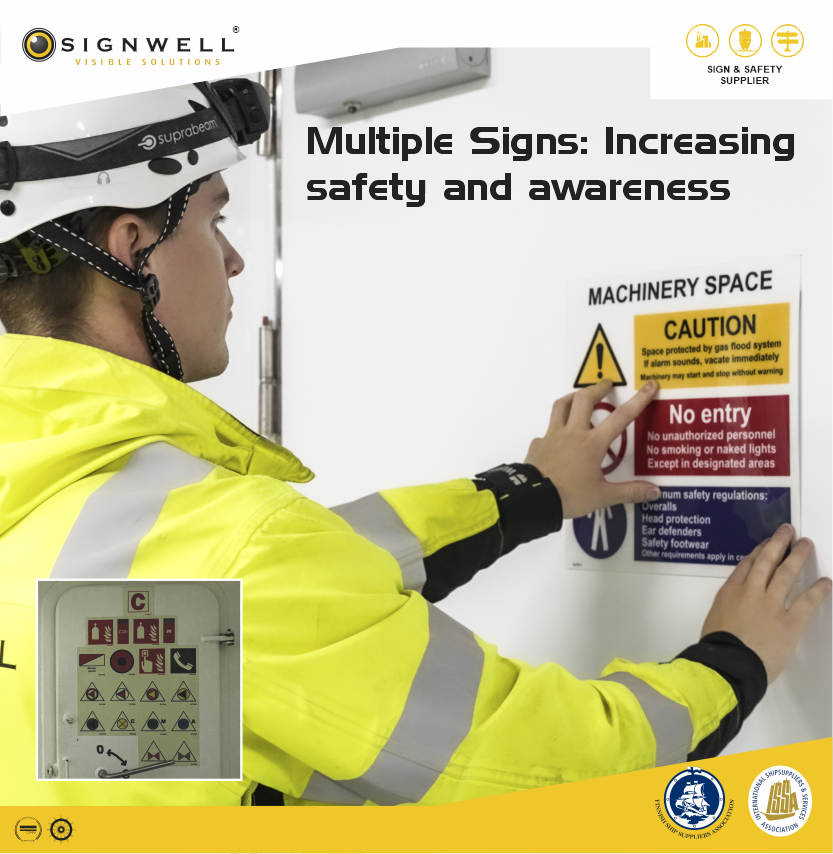
Consider upgrading if your signs lack multilingual text, have outdated symbols, or do not meet current visibility standards. New-generation signs offer improved readability, better weather resistance, and enhanced emergency visibility that significantly improves safety outcomes.
What are the real costs of upgrading vs. keeping old IMO signs?
Upgrading IMO signs typically costs more initially but provides long-term savings through reduced maintenance, better compliance, and improved safety performance. Keeping outdated signs risks regulatory penalties, increased maintenance costs, and potential safety incidents that far exceed upgrade expenses.
Direct upgrade costs include new signage materials, installation labour, and certification processes. Modern signs often feature longer service lives and require less frequent replacement. Premium materials resist harsh marine environments better, reducing ongoing maintenance needs.
Hidden costs of keeping old signs include frequent repairs, replacement of failing components, and potential regulatory fines. Outdated signage may also increase insurance premiums or create liability concerns during incidents. Poor visibility or unclear messaging can contribute to emergency response delays.
Calculate the total cost of ownership over 10–15 years when comparing options. Factor in maintenance frequency, replacement schedules, and compliance risks. Most vessel operators find that strategic upgrades provide better value than maintaining ageing signage systems through multiple repair cycles.
Which IMO signs should you prioritize for 2026 upgrades?
Prioritize upgrading emergency egress signs, muster station markers, and fire safety equipment indicators, as these directly impact passenger and crew safety during critical situations. Focus on high-traffic areas where sign visibility and clarity are essential for effective emergency response.
Emergency lighting and evacuation route signs deserve immediate attention. These systems guide people to safety during power failures or emergency conditions. Modern photoluminescent systems provide superior visibility and longer glow duration compared with older technologies.
Fire safety signs, including extinguisher locations and fire door markers, should receive priority due to their critical safety functions. Upgrade signs showing wear, fading, or compliance gaps. Clear, visible fire safety signage helps crew respond quickly during emergencies.
Consider upgrading signs in harsh-environment locations where salt spray, UV exposure, or temperature extremes accelerate deterioration. Bridge areas, deck spaces, and engine rooms often require more frequent sign replacement due to challenging operating conditions.
How long does an IMO sign upgrade project typically take?
IMO sign upgrade projects typically require 4–8 weeks from planning to completion, depending on vessel size and scope of work. Smaller vessels may complete upgrades in 2–3 weeks, while large cruise ships or complex offshore installations may need 3–4 months for comprehensive signage overhauls.
Planning and assessment phases usually take 1–2 weeks. This includes surveying existing signage, identifying upgrade requirements, and developing installation schedules. Proper planning prevents delays and ensures all regulatory requirements are addressed.
Procurement timelines vary based on sign complexity and customisation needs. Standard IMO signs ship within days, while custom multilingual signs or specialised materials may require 2–4 weeks of production time. Ordering during busy periods may extend delivery schedules.
Installation typically occurs during scheduled maintenance periods or dry-dock visits to minimise operational disruption. Simple sign replacements may take hours, while comprehensive system upgrades require several days. Certification and documentation add 1–2 weeks to project completion timelines.
Upgrading your IMO signs in 2026 represents a strategic investment in safety and compliance. Modern signage systems offer improved visibility, longer service life, and better regulatory adherence than older alternatives. We can help assess your current signage and develop an upgrade plan that meets your vessel’s specific requirements while ensuring smooth project execution within your operational schedule.
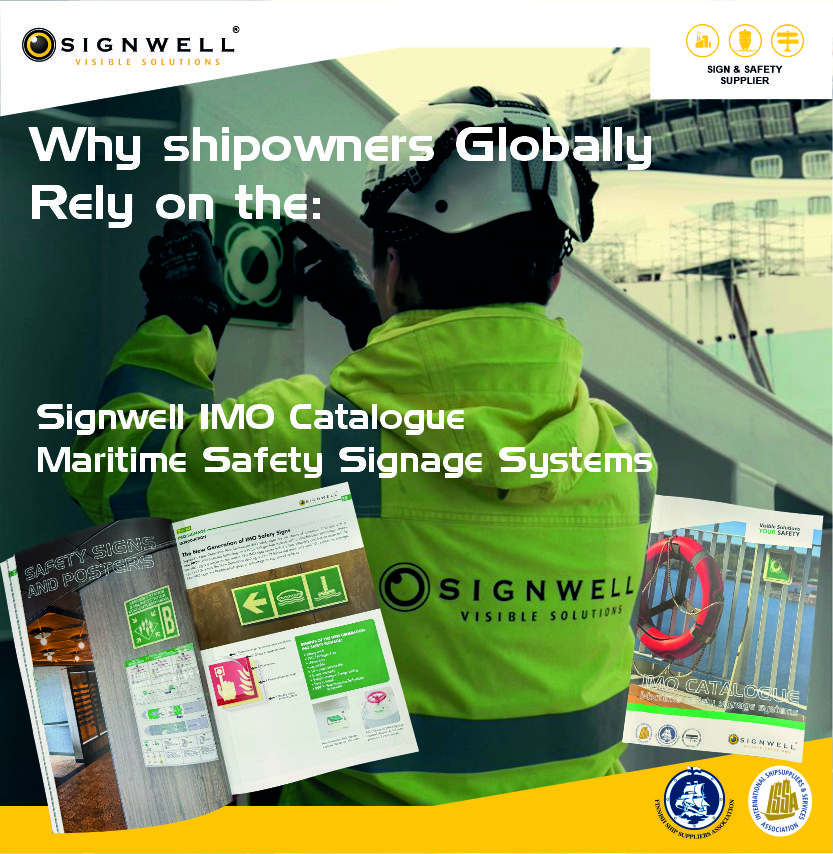
Looking for compliant signage solutions for your vessel? Explore Signwell’s IMO signs and find suitable marine safety signage for your specific requirements.
This content was generated with the help of AI and it may contain mistakes