What are the requirements for safety signage?
12.12.2025
Safety signage requirements ensure that warning, hazard, and emergency information is clearly communicated to protect lives and maintain legal compliance. These requirements cover visibility standards, material durability, international symbol recognition, and proper placement across different environments. Understanding these requirements helps organisations implement effective safety systems that meet regulatory obligations whilst creating genuinely safer workplaces in industrial, maritime, and offshore settings.
Topic foundation
Safety signage requirements exist because clear, reliable communication can mean the difference between life and death during emergencies. In industrial facilities, aboard vessels, and on offshore platforms, workers and visitors must instantly understand hazards, locate safety equipment, and find escape routes regardless of their native language or familiarity with the environment. These requirements aren’t bureaucratic obstacles but carefully developed standards based on decades of safety research and real-world incidents.
Regulatory compliance protects organisations from legal liability whilst simultaneously creating environments where people can work confidently. When safety signage meets established requirements, it functions as a silent guardian that guides behaviour, prevents accidents, and provides critical information when seconds matter. The journey from understanding basic requirements to implementing comprehensive safety systems involves grasping how different industries apply these standards and why specific materials and features are mandated for various environments.
What are the basic requirements for safety signage in workplaces?
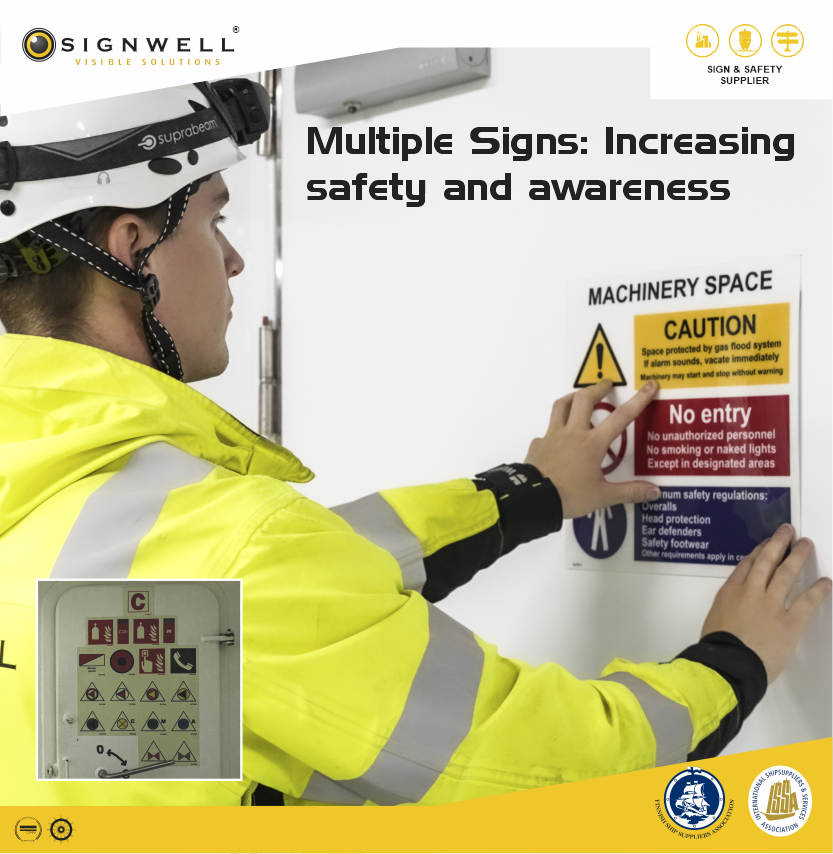
Safety signage must be visible, comprehensible, durable, and appropriately placed to fulfil legal and practical requirements. Signs need sufficient size and contrast to be seen from relevant distances, use standardised symbols that communicate across language barriers, withstand environmental conditions without degrading, and be positioned where people naturally look when needing safety information. These fundamental requirements apply across most workplace environments, though specific standards add detail for particular industries.
Visibility requirements mean signs must have adequate luminance in both normal and emergency lighting conditions. This often requires photoluminescent materials that glow in darkness or illuminated signs that remain visible during power failures. Comprehensibility demands the use of internationally recognised symbols rather than text-only signs, ensuring that temporary workers, foreign nationals, and visitors understand warnings immediately without translation.
Durability standards ensure signs remain legible throughout their intended lifespan despite exposure to cleaning chemicals, temperature variations, humidity, and physical contact. Placement requirements specify mounting heights, viewing angles, and distances that make signs effective rather than merely present. These requirements exist because ineffective signage creates false security whilst providing no actual protection.
How do safety signage requirements differ between industries?
Maritime environments require IMO-compliant signage for maritime applications that withstands salt water, extreme temperatures, and constant vibration, whilst onshore industrial facilities focus on chemical resistance and high-temperature tolerance. Offshore platforms need signage that performs in both maritime and industrial conditions, often requiring the most stringent specifications. These differences reflect the unique hazards and environmental challenges each industry faces.
Ships and offshore vessels must implement signage according to IMO Resolution A.1116(30), which mandates ISO 7010 and ISO 24409-2 compliant symbols. This standardisation means the same recognisable safety signs appear both at sea and on land, increasing safety for workers who move between environments. Maritime fire signage must be particularly robust, as fire aboard vessels presents catastrophic risks with limited escape options.
Industrial manufacturing facilities often require explosion-proof signage in certain zones, chemical-resistant materials where corrosive substances are present, and high-temperature ratings near furnaces or processing equipment. Offshore platforms combine maritime corrosion challenges with industrial hazards, requiring signage that meets both sets of requirements simultaneously. The material choices and mounting methods vary significantly based on whether signs face interior or exterior conditions.
What international standards govern safety signage compliance?
ISO 7010 provides globally recognised safety symbols that communicate hazards, mandatory actions, and emergency information without language barriers. For maritime applications, ISO 14726 and IMO Resolution A.752(18) specify requirements for ships’ safety signs and fire control plans. Regional standards like Finland’s PSK 0903 address specific national requirements whilst aligning with international frameworks to ensure cross-border consistency.
ISO 7010 replaced numerous national standards with unified symbols that research proved more universally comprehensible. This standard covers prohibition signs, warning signs, mandatory action signs, emergency escape signs, and fire equipment signs. The symbols use specific colours, shapes, and pictograms that testing showed people recognise quickly under stress.
ISO 14726 specifically addresses graphical symbols for ships, ensuring consistent safety communication across the global maritime industry. IMO Resolution A.752(18) establishes requirements for ships’ fire control plans and signage systems, mandating that all safety symbols conform to ISO standards. These international frameworks enable crews from different countries to work safely aboard vessels registered anywhere in the world, as the safety communication remains consistent regardless of the ship’s flag state or crew nationality.
What materials and features must safety signs have to meet requirements?
Compliant safety signage requires photoluminescent properties for visibility during power failures, weather resistance appropriate to the installation environment, and material certifications proving flame retardancy and non-toxicity. Temperature tolerance typically ranges from -40°C to +150°C for industrial applications, whilst chemical resistance ensures signs remain legible despite exposure to cleaning agents and industrial substances.
Photoluminescent materials absorb ambient light and emit it gradually in darkness, providing visibility for hours without electrical power. Modern photoluminescent signs must meet specific luminance standards measured in millicandelas per square metre, ensuring they provide adequate guidance during evacuations. These materials have largely replaced radioactive tritium signs and reduced reliance on battery-powered emergency lighting.
PVC-free and halogen-free materials are increasingly required because traditional PVC signs release toxic gases when burning, creating additional hazards during fires. New generation materials maintain durability and visual quality whilst eliminating these toxic emissions. UV resistance prevents fading and degradation from sunlight exposure, particularly critical for exterior signage and signs near windows. Quality certifications demonstrate that materials meet flame retardancy standards without producing hazardous smoke, protecting evacuees from toxic exposure during the very emergencies the signs are meant to address.
How do you ensure your safety signage remains compliant over time?
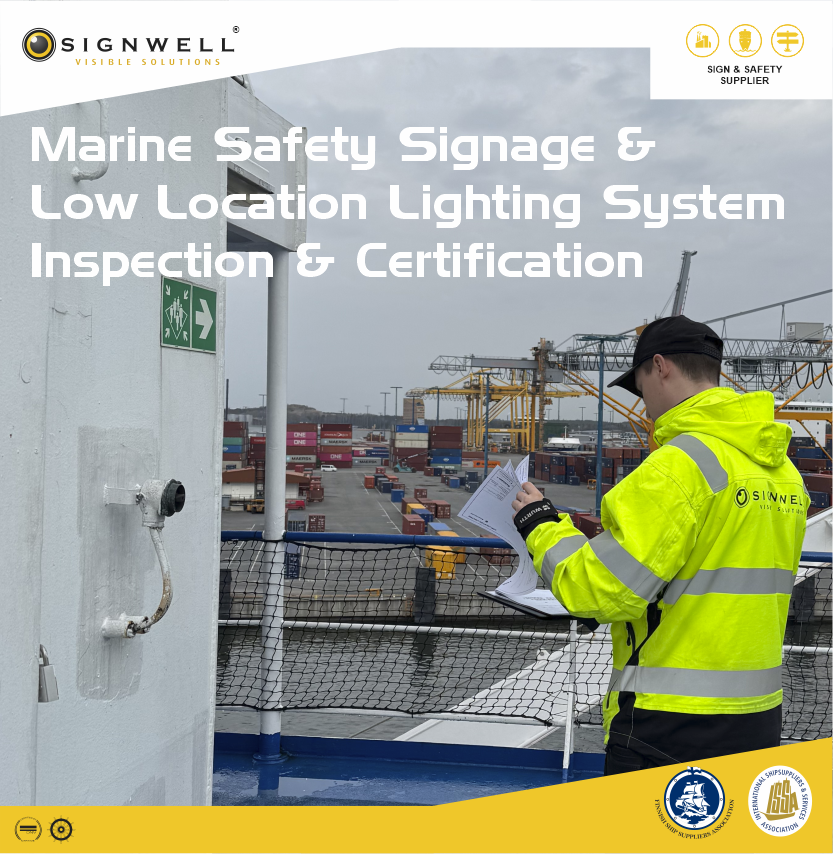
Maintaining compliance requires regular inspection schedules, documentation of sign condition, and prompt replacement when signs become damaged, faded, or illegible. Certified inspectors should evaluate signage systems annually at minimum, checking luminance levels of photoluminescent signs, verifying visibility from required distances, and ensuring no signs have been removed or obscured by equipment or modifications.
Documentation creates an audit trail proving due diligence and helps identify patterns that might indicate systemic issues. Recording installation dates, inspection findings, and replacement actions demonstrates ongoing commitment to safety whilst providing evidence of compliance during regulatory audits. This documentation should include photographs showing sign condition and placement.
When regulations change or facilities undergo modifications, signage systems need corresponding updates. Adding new equipment requires appropriate identification signs, whilst layout changes may necessitate relocating emergency exit signs or adding directional markers. We recommend working with certified specialists who understand current standards and can identify compliance gaps before they create liability or safety risks. Professional installation ensures signs are mounted securely and positioned according to standards rather than convenience, maximising their effectiveness when emergencies occur.
Knowledge synthesis
Safety signage requirements form an integrated system where visibility, comprehensibility, durability, and compliance work together to protect lives. Meeting these requirements isn’t a one-time project but an ongoing process requiring quality materials, professional installation, and regular maintenance. The standards exist because effective safety communication has proven essential across decades of industrial and maritime operations.
Organisations that view compliance as minimum obligation often implement barely adequate systems that degrade quickly. Those that understand requirements as frameworks for genuine safety invest in materials that exceed standards, professional implementation that considers real-world usage, and maintenance programmes that keep systems effective. The difference becomes apparent during emergencies when well-implemented signage guides people to safety whilst inadequate systems fail precisely when needed most.
Whether you’re outfitting a new vessel, upgrading an industrial facility, or ensuring an offshore platform meets current standards, understanding these requirements helps you make informed decisions about materials, placement, and maintenance. The investment in proper safety signage protects your most valuable assets whilst demonstrating commitment to creating environments where people can work confidently, knowing that clear guidance will be available if emergencies arise.