What are the two types of exit signs?
3.11.2025
Exit signs fall into two primary categories: photoluminescent (passive) exit signs that glow in the dark after absorbing light, and electrically powered (active) exit signs that use electricity to illuminate continuously. Photoluminescent signs require no power source and charge from ambient light, whilst electrically powered signs use LED or traditional bulbs connected to building electrical systems with battery backup capabilities. Understanding these two main types helps facility managers choose the most appropriate safety signage for their specific environment and regulatory requirements.
What are the two main types of exit signs used in buildings?
The two main types of exit signs are photoluminescent exit signs and electrically powered exit signs. Photoluminescent signs are passive systems that absorb ambient or artificial light and emit a visible glow in darkness without requiring any electrical connection. Electrically powered signs are active systems that connect to building electrical infrastructure and provide constant illumination through LED or traditional bulb technology.
These two categories represent fundamentally different approaches to emergency guidance. Photoluminescent technology relies on special materials that store light energy and release it gradually, making them completely independent of power sources. This passive nature means they function automatically during power failures without batteries or backup systems.
Electrically powered exit signs maintain consistent brightness regardless of ambient lighting conditions. They integrate with building electrical systems and typically include battery backup to ensure visibility during power outages. Modern versions predominantly use LED technology for energy efficiency and longevity, though older installations may still use incandescent or fluorescent bulbs.
Both types serve the same critical purpose of guiding people to safety during emergencies, but they achieve this through entirely different operational principles. The choice between them depends on factors including building type, ambient lighting conditions, maintenance capabilities, and regulatory requirements specific to the facility’s location and industry.
How do photoluminescent exit signs work?
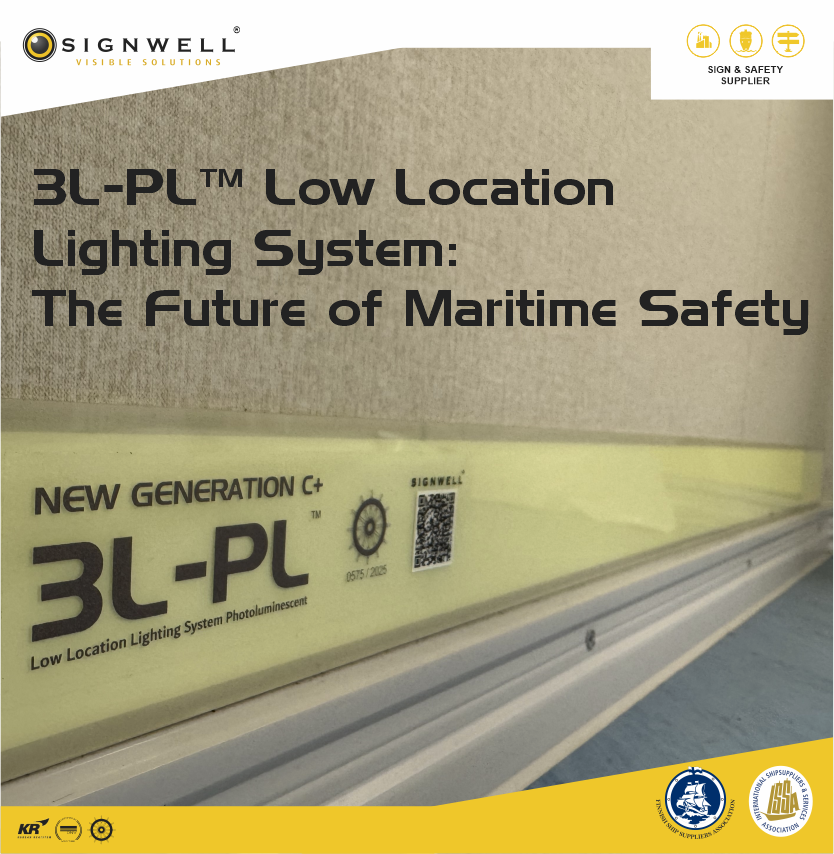
Photoluminescent exit signs work by absorbing energy from ambient or artificial light sources and storing it in special phosphorescent materials. When darkness occurs, these materials release the stored energy as a visible glow that can remain bright enough for emergency guidance for several hours. The signs require regular exposure to light to maintain their charging cycle and effectiveness.
The charging process is continuous and automatic. During normal lighting conditions, the photoluminescent material absorbs photons from any available light source, including natural daylight, fluorescent lighting, or LED fixtures. The material stores this energy at a molecular level, with electrons moving to higher energy states. When the light source is removed, the electrons gradually return to their normal state, releasing energy as visible light.
Quality photoluminescent exit signs can glow brightly for the initial period after lights go out, then gradually dim over several hours whilst remaining visible enough to guide evacuation. The glow duration depends on the material quality, charging time received, and ambient light levels during the charging period. Premium materials can maintain visibility for eight hours or more after adequate charging.
This passive system requires no electricity, batteries, or regular power testing. The materials used are typically strontium aluminate-based compounds, which have largely replaced older zinc sulphide formulations due to their superior brightness and longevity. These modern materials are highly durable, maintaining their photoluminescent properties for many years without degradation when properly manufactured.
What are the advantages of electrically powered exit signs?
Electrically powered exit signs provide consistent, reliable illumination regardless of ambient lighting conditions or time of day. They remain equally visible in bright daylight, dim corridors, or complete darkness, offering predictable performance that doesn’t depend on charging cycles. Modern LED-based systems are highly energy-efficient, consuming minimal power whilst providing bright, clear visibility from considerable distances.
These signs integrate seamlessly with building electrical and emergency systems. They connect to mains power for continuous operation and include battery backup systems that automatically activate during power failures. This dual-power approach ensures visibility during emergencies whilst allowing for regular testing and monitoring through building management systems.
LED electrically powered exit signs offer exceptional longevity, with bulbs lasting 50,000 to 100,000 hours or more. This translates to years of maintenance-free operation, reducing replacement costs and service disruptions. The consistent brightness makes them highly visible in challenging environments, including areas with high ambient light levels where photoluminescent signs might be less effective.
They perform reliably across various environmental conditions, including extreme temperatures, high humidity, and marine environments when properly rated. For maritime applications, electrically powered signs meet stringent international standards including IMO requirements, providing dependable guidance in offshore platforms and vessels where environmental conditions can be harsh. The ability to integrate with alarm systems and emergency lighting networks makes them particularly suitable for complex facilities requiring coordinated safety systems.
Which type of exit sign is better for different environments?
The optimal exit sign type depends on specific environmental factors, operational requirements, and regulatory standards rather than one being universally superior. Photoluminescent signs excel in facilities with consistent ambient lighting, limited maintenance access, and sustainability priorities, whilst electrically powered signs suit environments with variable lighting, extreme conditions, or integration requirements with existing emergency systems.
For commercial office buildings with reliable lighting, photoluminescent exit signs offer an economical, low-maintenance solution. They eliminate ongoing electricity costs and battery replacement requirements whilst meeting safety standards. The passive nature means no testing schedules or power consumption concerns, making them attractive for sustainability-focused organisations.
Industrial facilities with 24-hour operations and varying light conditions often benefit from electrically powered signs. Their consistent visibility regardless of ambient lighting ensures workers can always locate exits clearly. The ability to integrate with alarm systems and emergency protocols adds valuable functionality in complex industrial environments.
Maritime and offshore applications present unique challenges where both types find applications. We supply IMO-compliant safety signage for vessels and offshore platforms, with photoluminescent options offering reliability during complete power failures and electrically powered systems providing consistent visibility in varying sea conditions. The choice often depends on specific vessel areas, with photoluminescent signs common in accommodation spaces and electrically powered signs preferred in machinery spaces or areas with limited natural light exposure.
Budget considerations extend beyond initial purchase price. Photoluminescent signs have higher upfront costs but minimal ongoing expenses, whilst electrically powered signs require installation by qualified electricians and periodic maintenance. However, modern LED systems have dramatically reduced the maintenance burden compared to older technologies. Regulatory requirements vary by jurisdiction and building type, with some regions mandating specific technologies for particular applications. Consulting local safety codes and industry standards ensures compliance whilst selecting the most appropriate solution for your facility’s unique characteristics.